South Africa on Edge as June 30 Anti-Immigration Deadline Fuels Fear, Regional Concern
South Africa deploys heavy security on June 30 as a tense, private anti-immigration deadline triggers regional humanitarian anxiety.
 Delicious Mathuthu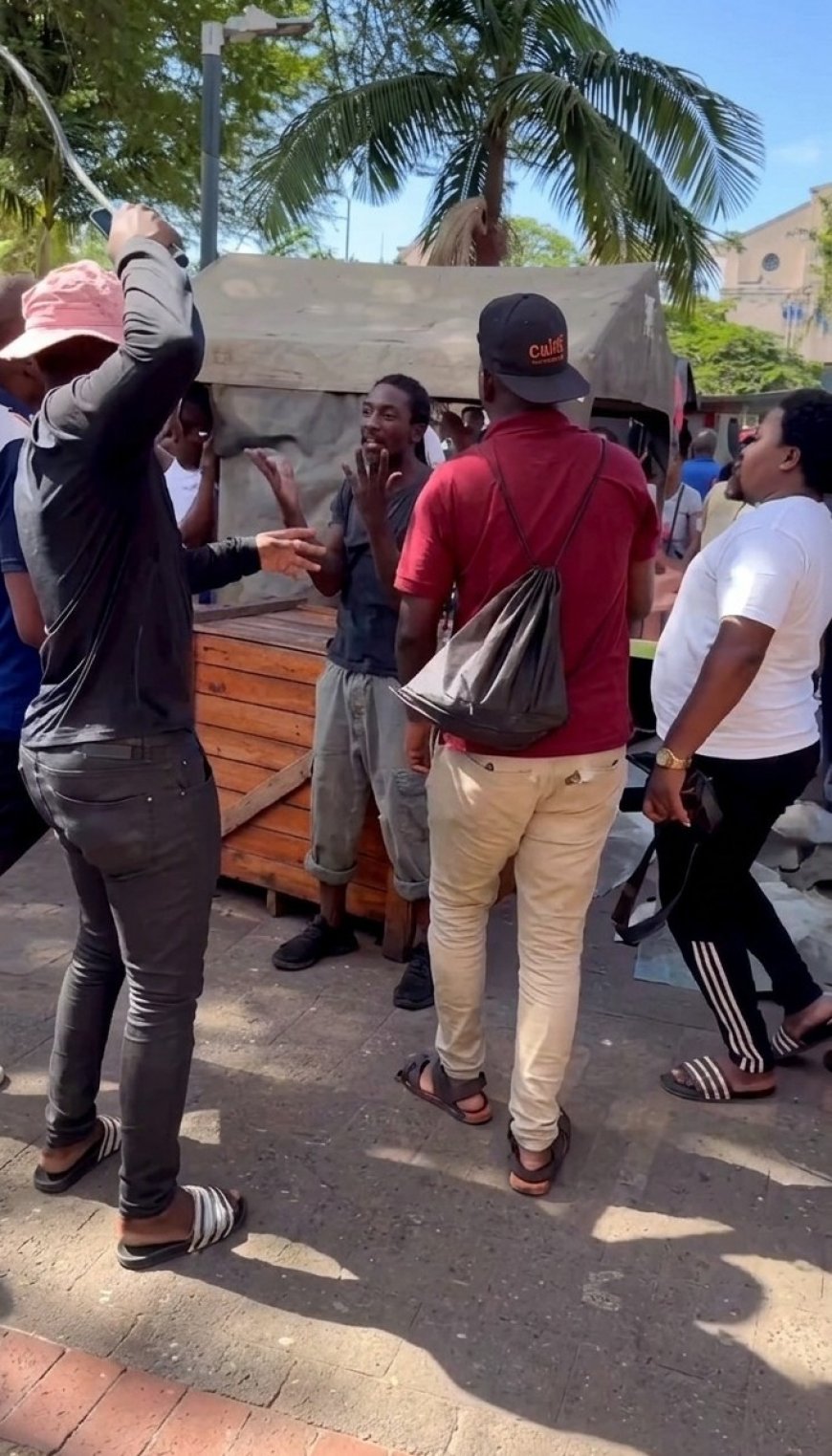
Johannesburg – South Africa enters a tense week as the June 30 deadline declared by anti-immigration groups has arrived, prompting heightened security measures in the country, growing anxiety among migrant communities and renewed debate over immigration, unemployment, and xenophobia.
Although the deadline has no legal standing, it has triggered widespread concern among foreign nationals, many of whom have sought assistance from their embassies and consulates, or begun returning to their home countries amid fears that planned demonstrations could spill over into violence and killings.
The protests have been championed by pressure groups like March and March led by Jacinta Ngobese-Zuma, Phakel'umthakathi Ndabandaba and Ngizwe Mchunu.
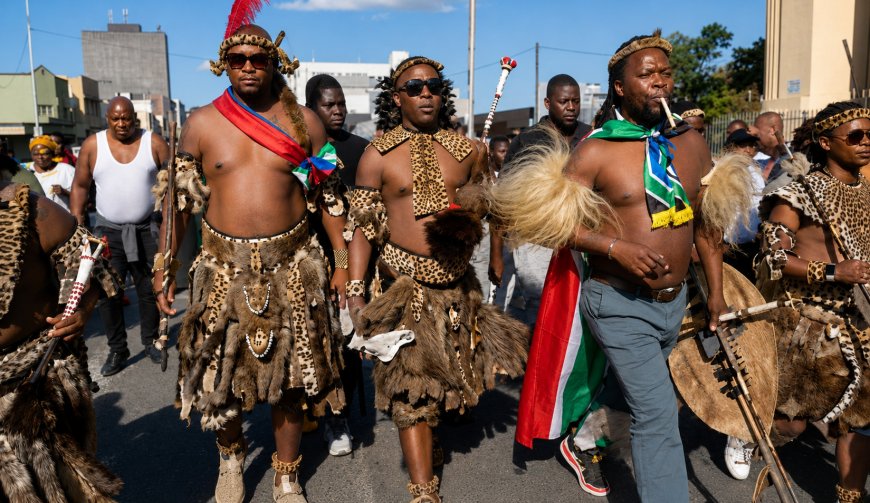 Phakel'umthakathi Ndabandaba leading a group of anti-migrant activists prior to the June 30 deadline.
The movements accuse the South African government of failing to tackle undocumented immigration.
The anti-immigrant movement argues that illegal migration has contributed to unemployment, crime and pressure on public services, calling for stronger enforcement of immigration laws.
South African President, Cyril Ramaphosa, has rejected attempts by private groups to impose their own immigration deadlines, insisting that enforcing the country's immigration laws is the responsibility of the state.
Addressing the nation days before today's deadline, President Ramaphosa said state security structures are ready to maintain public order.
“As government, we have put in place security and other measures to deal with any attempts to destabilise our country, whether by citizens or foreign nationals, and we will not tolerate any attempts to destabilise the country by anyone, whether marching or otherwise.
"Our security forces are ready. Natjoints is firmly in charge of what could happen.
"Therefore, it is our responsibility collectively and it is all of us who are accountable...” President Ramaphosa said.
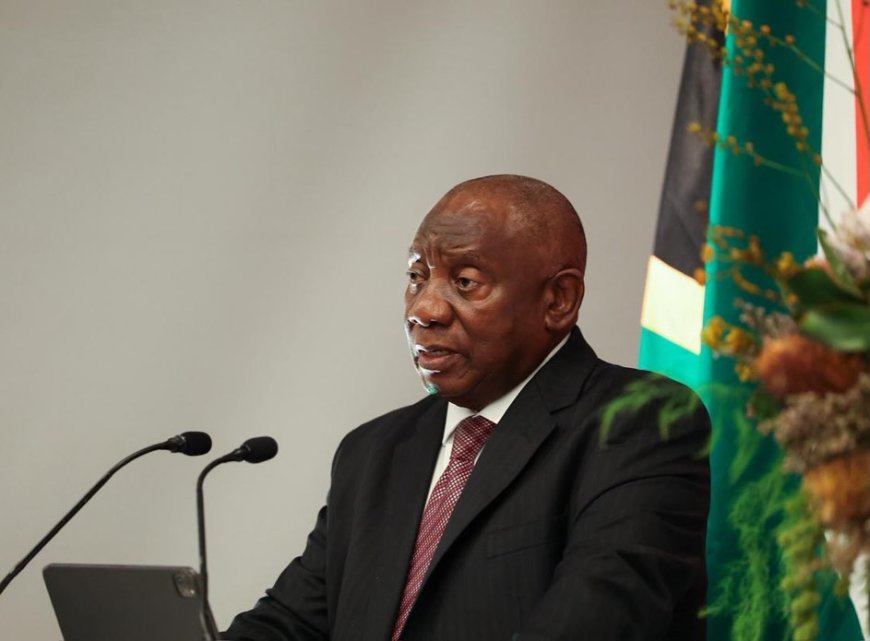 President Ramaphosa denounces anti-immigrant vigilante groups warning that security forces stand ready for any violence. Image credit: The Presidency of the Republic of South Africa.
He added that attacks on foreign nationals do not represent the views of South Africa’s people, nor reflect government’s policy, blaming “opportunists" who are exploiting the legitimate grievances, particularly those of the poor, under the false guise of "community activism."
He acknowledged the challenge of illegal immigration but warned against scapegoating migrants for economic hardships.
Authorities have deployed police and other security personnel in anticipation of planned demonstrations, saying they are determined to prevent a repeat of previous outbreaks of xenophobic violence that have periodically shaken the country.
Briefing the media on operational readiness, South Africa Acting Police Minister, Firoz Cachalia, reiterated that state security forces would protect democratic rights while enforcing the law.
“Everyone has the right to protest peacefully and within the confines of the law," he said.
"However, criminality, intimidation, incitement to violence, the destruction of property and any attempt to undermine public safety will not be tolerated.
"The rule of law will indeed prevail. The South African Police Service is fully prepared and focused on ensuring that these demonstrations take place in a safe, secure and orderly environment.
"Let me be clear. The South African Police Service has no intention of preventing anyone from exercising their democratic right to demonstrate peacefully," Minister Chachalia said.
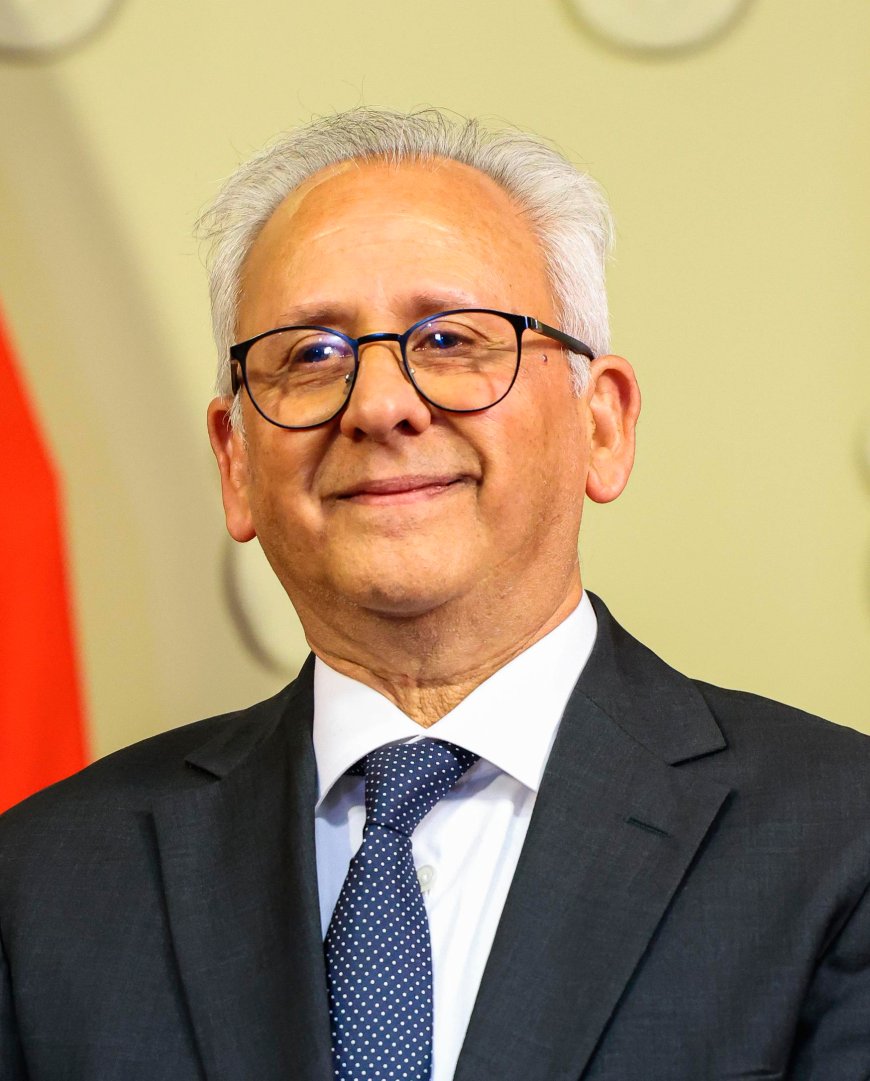 Professor Firoz Cachalia. Image credit:The South African Government. Image Credit: The South African Government.
He said June 30 remains “a normal day” and affirmed that law enforcement agencies would not wait for violence to erupt before intervening.
South Africa has experienced several waves of attacks on foreign nationals since 2008, with migrants often blamed for the country's persistent unemployment, rising crime and strained public services.
Human rights organisations and international bodies have expressed alarm at the deteriorating situation in South Africa, calling for immediate intervention to prevent a humanitarian crisis.
In a joint press statement responding to the state's security directives, a civil society coalition led by Lawyers for Human Rights (LHR) called for operational accountability across all tiers of government.
“We welcome the President’s unambiguous rejection of parallel enforcement by vigilante groups and his commitment that only authorised government officials can act against violations of our law.
"A public ultimatum has been issued to migrants to leave South Africa by 30 June 2026. The government must publicly repudiate this deadline and take active steps to prevent violence and ensure the safety of all who live in South Africa," the coalition said
"This must be communicated not only by the President but by the Minister of Police, the National Commissioner of SAPS and the Executive Mayors of Municipalities across South Africa.
"The events in Durban in May 2026, in which anti-migrant formations surrounded police stations, accompanied enforcement operations and issued public ultimatums to migrants to leave by 30 June 2026, represent precisely the kind of parallel enforcement the President has now publicly and explicitly rejected.
"We call on the government to give concrete operational effect to this commitment and to act in protection of rights with the same vigour as immigration enforcement," they said.
Echoing these concerns, Amnesty International South Africa issued a critique of the systemic failures compounding the crisis.
“Stronger political leadership is urgently needed to address xenophobia, its root causes and uphold the rights of everyone, as a private anti-migrant group continues with its unlawful 30 June deadline for undocumented migrants to leave the country.
"There has been a recent surge of xenophobic violence in the country.
"The scapegoating of refugees and migrants in political discourse legitimises xenophobic sentiment, while South Africa’s failing asylum management system also leaves hundreds of thousands of applicants without proper documentation, which exacerbates discrimination against this marginalised group," Amnesty said in a statement.
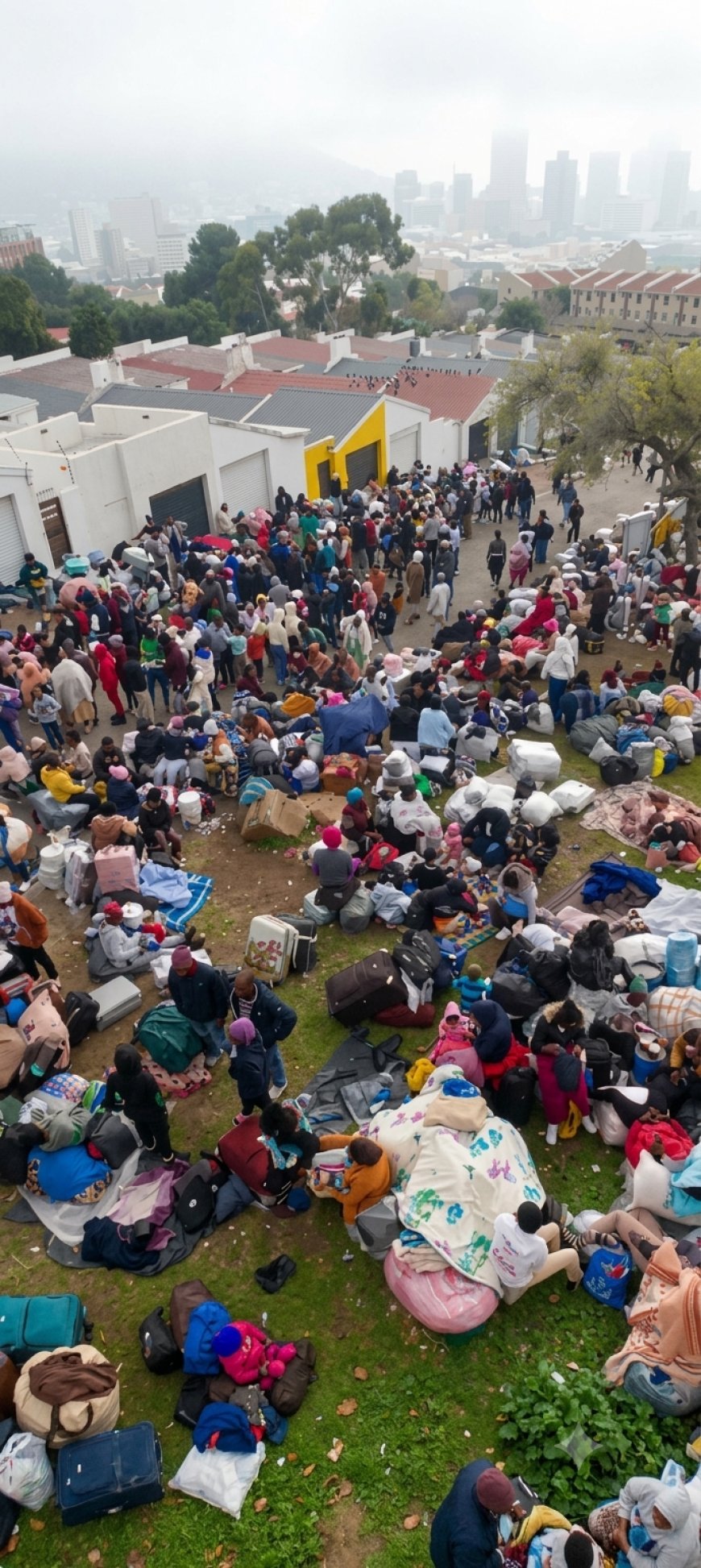 Hundreds of desperate Zimbabweans in South Africa waiting to be transported back home. Image credit: Ground Up (X video AI enhanced screenshot).
The organisation said despite President Ramaphosa’s recent condemnation, the government response to xenophobia has been "dangerously" inadequate.
On the continental level, the African Commission on Human and Peoples’ Rights deplored the vigilante conduct reported in the buildup to the deadline:
“The Commission has learned from reports that there have been incidents of xenophobic violence perpetrated against nationals of other African countries, allegedly on account of their legal status.
"The Commission deplores the xenophobic attacks and vigilante conduct... and calls on the Government of the Republic of South Africa to take all necessary measures to ensure the protection of the rights of all individuals within its territory, irrespective of their nationality, and to investigate all acts of violence and bring those responsible to justice,” the commission said in a statement.
Concurrently, the United Nations, via the Secretary-General’s spokesperson, strongly condemned the exploitation of local socio-economic challenges to incite hatred.
The Psychological Society of South Africa (PsySSA) warned of the acute psychological and social harm inflicted on targeted families, urging stakeholders to address root issues like service delivery failures without resorting to xenophobic mobilisation.
The humanitarian impact is already being felt across the region as thousands of migrants from Zimbabwe, Nigeria, Malawi, Mozambique and other neighbouring countries seek emergency repatriation.
The lived reality of those caught in the crosshairs of the deadline is defined by acute anxiety.
A Malawian migrant who sheltered in Durban expressed the pervasive fear gripping communities.
“We are scared because you never know what people are planning to do to you and it’s not right to wait and see what will happen.
"We just want to go home. Everyone just wants to go home. We just want to protect ourselves," he said.
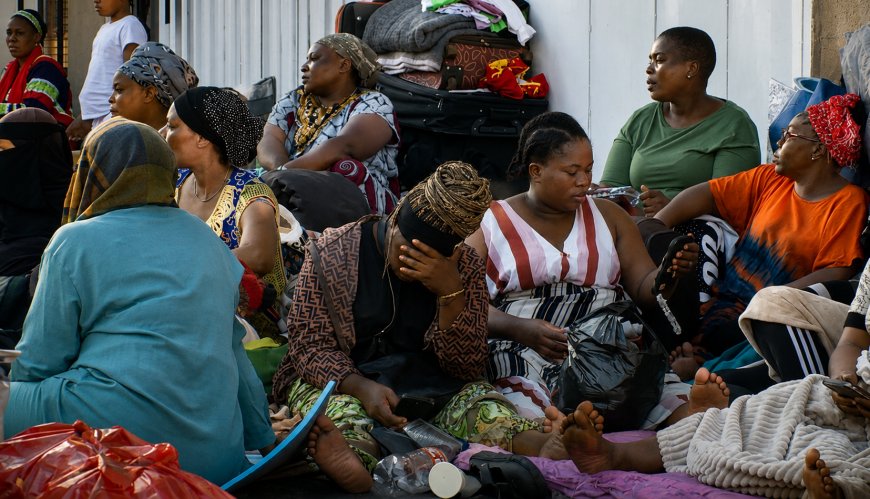 Stranded and desperate to leave South Africa ahead of the anti-immigrant June 30 deadline.
For refugees fleeing conflict zones, returning home is not a viable option.
A Congolese national highlighted the impossible dilemma facing many documented asylum seekers.
“The entire world knows that there’s a war in Congo, so me going back, it feels like going back to death," the asylum seeker said.
The developments have prompted several Southern African governments to organise voluntary repatriation programmes for citizens wishing to leave South Africa as fears over their safety continue to grow.
While anti-immigration groups maintain that their campaign targets undocumented migrants rather than foreign nationals in general, civil society coalitions like the Ahmed Kathrada Foundation note that such distinctions regularly collapse during public disruptions, exposing documented residents, refugees and asylum seekers to indiscriminate harassment.
The execution of public safety operations on June 30 rests on a defined framework of constitutional obligations and statutory parameters. Under South African law, the right to peaceful assembly is guaranteed by Section 17 of the Constitution and regulated by the Regulation of Gatherings Act 205 of 1993, which mandates prior notification to local authorities, and empowers law enforcement to disperse gatherings only when there is an imminent threat to life or property.
Concurrently, the Immigration Act 13 of 2002 explicitly confines immigration law enforcement, including the verification of documentation, detentions and deportations, exclusively to designated officials within the Department of Home Affairs and authorised members of the police.
Legally, private citizens and unauthorised corporate entities possess no statutory power to demand identity documents or enforce immigration compliance.
The operational deployment of the National Joint Operational and Intelligence Structure (Natjoints) serves as the primary mechanism to coordinate intelligence and tactical responses between SAPS, the South African National Defence Force (SANDF) and state intelligence agencies.
Consequently, analysts say the state's capacity to maintain public order depends on its ability to systematically prevent parallel enforcement actions by civil groupings, manage localised disruptions and enforce statutory compliance within the strict boundaries of constitutional law.