CCAA Welcomes Industrial Land Protection and Freight Corridor Rules in Sydney Plan
Cement Concrete & Aggregates Australia (CCAA) has praised the final Sydney Plan for safeguarding industrial land and freight corridors, while calling for a dedicated NSW Heavy Construction Materials Plan to secure long-term supply chains.
 Harry Taruva
Sydney — Industry body, Cement Concrete & Aggregates Australia (CCAA), has welcomed the release of the final Sydney Plan, citing its strengthened protections for industrial land and explicit recognition of freight supply chains essential to heavy construction.
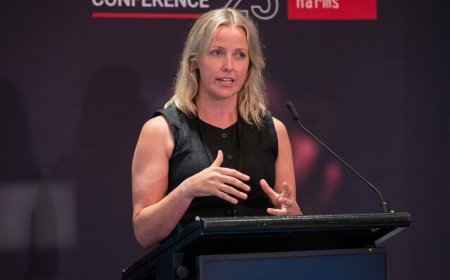
CCAA Chief Executive Officer Michael Kilgariff stated that the planning framework correctly identifies that urban expansion and housing delivery rely directly on maintaining proximity to essential building material production hubs.
The peak body noted that ready-mix concrete must be delivered within 90 minutes of batching, making the protection of localised industrial land near major urban development corridors critical to preventing severe delivery delays, increased transport emissions and escalating construction costs.
The final Sydney Plan commits to protecting state, regional and locally significant industrial land allocations while maintaining a steady development pipeline of approximately 250 hectares of development-ready industrial land annually.
The framework also safeguards critical freight networks and first-and-last-mile connections, including the Southern Sydney Freight Line used to move raw materials from the Southern Highlands into the metropolitan region.
While acknowledging the Plan’s structural improvements, Kilgariff reiterated CCAA's call for the state government to develop a dedicated, standalone New South Wales Heavy Construction Materials Plan.
"The Sydney Plan gets important foundations right, but we now need to build on them with a dedicated Heavy Construction Materials Plan," Kilgariff said, adding that "That would bring together land-use planning, future materials demand, freight access and the protection of strategically important facilities into one long-term framework."