
Midlands Proposes 7% Levy to Bridge Disability Sport Infrastructure Gap
By Dumisani Ndlovu — Stakeholders propose a 7% infrastructure levy to fund disability-friendly sports facilities and specialised equipment.
 Dumisani Ndlovu
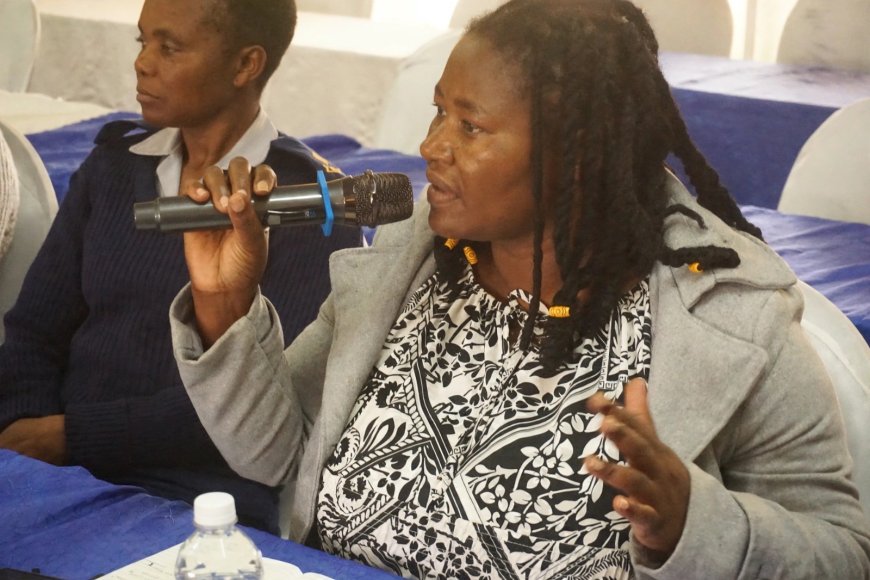
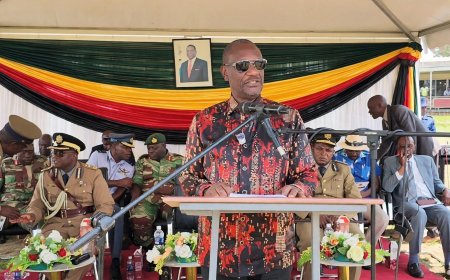
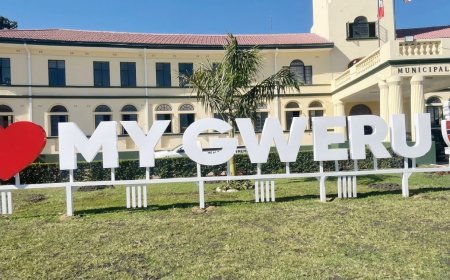
Gweru —Stakeholders in the Midlands province have proposed a 7% infrastructure development levy to fund the construction of disability-friendly sporting facilities and the procurement of specialised equipment, amid growing concerns over the marginalisation of para-athletes.
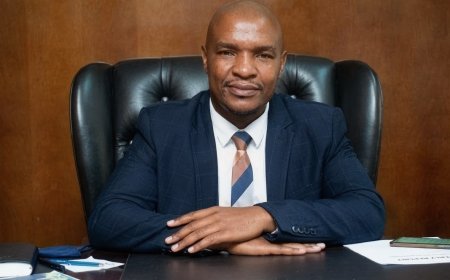
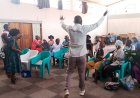
The proposal was tabled during the Midlands Provincial National Disability Policy Review in Gweru, where Ministry of Sport, Recreation, Arts and Culture Provincial Director, Viola Mwale, painted a grim picture of the logistical hurdles stifling Paralympic sport in the region.
Mwale revealed that the province does not have a single purpose-built sporting venue capable of hosting Paralympic competitions, forcing organisers to rely on makeshift adjustments to conventional facilities.
“We don’t have a single infrastructure, such as a stadium, that is user-friendly or designed for Paralympic Games.
"We only rely on adaptive facilities temporary adjustments,” Mwale said.
She noted that the absence of compliant venues and acute shortages of specialised gear continue to lock athletes with disabilities out of competitive sport and stunt talent development.
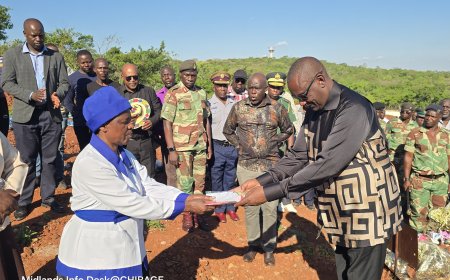
While acknowledging recent interventions from the Office of the Minister of State for Provincial Affairs and Devolution in the Midlands, Honourable Owen Ncube,bwhich included the donation of 85 sports wheelchairs, funding for training camps catering to roughly 100 athletes and support for the National Youth Games in Marondera, Mwale stressed that ad-hoc charity cannot sustain the sector.
“Periodic interventions and donations are welcome, but they are a drop in the ocean compared to our long-term structural needs,” she said, urging policymakers to anchor disability sport in a dedicated, predictable funding framework.
Under the proposed model, proceeds from the 7% levy would be ring-fenced for building and upgrading stadiums to Paralympic standards, acquiring specialised equipment and bankrolling regular provincial tournaments.
Mwale said institutionalising the funding through the revised national disability policy would ensure athletes with disabilities compete on an equal footing rather than relying on goodwill.