
Proposed Council Tariff Hikes Test Gweru Residents' Patience
By Delicious Mathuthu — Gweru's proposed 2027 budget, presented during recent consultations, has drawn affordability concerns from residents over plans to increase fixed water and sewerage charges by 60% and some high-density refuse collection fees by nearly 92%.
 Delicious Mathuthu
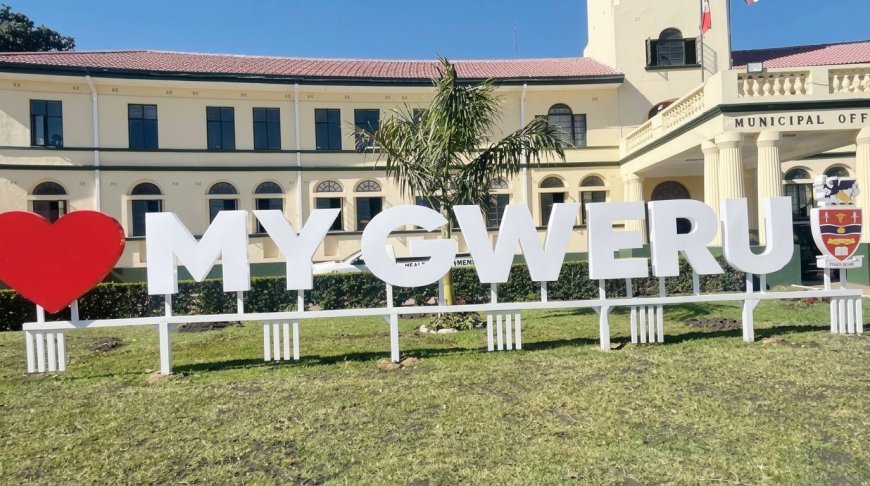
...as Rising Bills Put Pressure on Poor Households
Gweru – Low-income households in Gweru could face a heavier financial burden in 2027 under proposed City of Gweru tariffs that include increases of up to 60% in fixed water and sewerage charges, while refuse collection fees for some high-density residential areas are set to rise by nearly 92%.
Gweru City Council's ward-level consultations for the proposed 2027 budget were held on Saturday, 31 October 2026, following a stakeholder budget meeting held at Town House on Friday, 30 October.
Earlier, a pre-budget stakeholder consultation was also held at the Mayor's parlour, on 29 September 2026.
The tarrif increase proposals come as residents' representatives warn that many households are already struggling with limited disposable incomes, raising concerns about the affordability of essential municipal services and the extent to which residents were able to scrutinise the budget before the consultations.
Under the proposed tariff schedule, the monthly fixed domestic water charge increases from US$5 to US$8 across high-, medium- and low-density residential areas, while the fixed sewerage charge for high-density households also rises from US$5 to US$8.
The proposed refuse collection charge for high-density households in the Western suburbs increases from US$4.17 to US$8, an increase of about 92%.
The charge for domestic communal refuse collection rises from US$3.34 to US$10, almost tripling the existing amount.
For a household in the high-density category, the increases in fixed water, sewerage and the listed refuse charge could add US$9.83 to its monthly bill, before any other applicable council charges.
The increase would amount to an additional US$117.96 annually, assuming the proposed 2027 tariffs are adopted without adjustment.
The increases are particularly significant for households with little room in their budgets to absorb higher municipal costs.
Unlike charges based on consumption, fixed fees apply regardless of how much water a household uses, meaning even residents who restrict their consumption would still face the higher monthly charges.
The proposed schedule also introduces or increases selected fees for health-related services, including urine medical examinations, sputum tests, obstetric scans and chest X-rays.
While these are not recurring charges on every household's monthly rates account, they could add to the cost of accessing municipal health services for residents who need them.
The affordability concerns have been raised by residents' representatives, who say the proposed increases must be considered against the economic pressures facing households, and the need for visible improvements in service delivery.
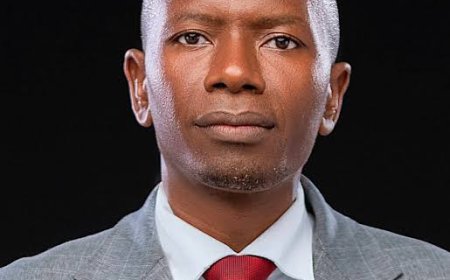
Gweru Residents and Ratepayers Association (GRRA) Executive Director, Cornilia Selipiwe, said the 2027 budget process was hurriedly done, residents were not given adequate time to examine the budget and consult their constituencies before the budget meetings.
He said the proposed 60% increases are unaffordable, prompting residents to push for a smaller adjustment.
"...this is not feasible, this is not attainable because remember the issue of the economy, remember the issue of disposable income, people don't have money and people are still struggling," Selipiwe said.
He said residents had previously received budget documents one or two weeks before consultations, allowing them to seek technical advice and explaination on the implications to residents.
This year's process, he said, left them with insufficient time to prepare and assess the proposed charges.
"My greatest concern is that as people representing residents, what used to happen in previous years, we would get our budget say a week or two weeks before, after which we would go through the budget on our own, invite our technical persons who would actually help us then after that, we would take it to our residents," he said.
"This was so that whatever position our residents would arrive at, they would arrive at that position well informed, understanding the background and understanding the challenges that are going to be faced by people throughout the year.
"But for this year, I think it was poorly done and the attendance, you know, it also contributed to the low turnout because people were not aware of the budget," Selipiwe said.
"So I think, well, there's nothing that we can do. We will then accept whatever that was affected or increased, but with a pinch of salt. We are doing this grudgingly because we never had ample time in terms of discussing and taking the budget on behalf of our residents," he added.
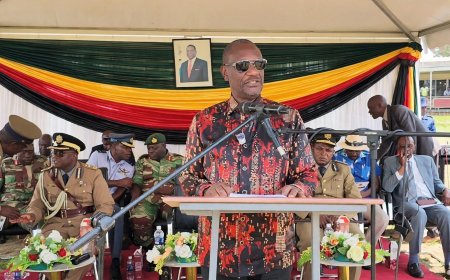
Pulse of Gweru Director, Farai Antony Kalubi, also criticised the timing of the consultations, echoing Selipiwe's sentiments that residents' associations were unable to examine the proposals adequately before presenting their positions.
He said the proposed increase in refuse charges from US$5 to US$8 was excessive, although he considered the adjustment in the lowest water consumption tariff justified.
"As a residents association we were disappointed that it was not circulated in time for us to go through it and implications thereof...you will agree with me during presentations some things may slip you, especially when you are not a figure person.
"Turn out was not satisfactory, I think it was deliberate on the part of council, they intented to smuggle certain things unnoticed," Kalubi said.
"Well we managed just to pick on refuse collection which they wanted to raise from $5 to $8, I am sure the percentage increase was just too much, 60%; so we agreed to increase it by a $1 to that," he said.
On the metered water charge, Kalubi said "Increase on water from 51 cents to 70 cents was justified and was allowed," a sentiment that Selipiwe agrees with.
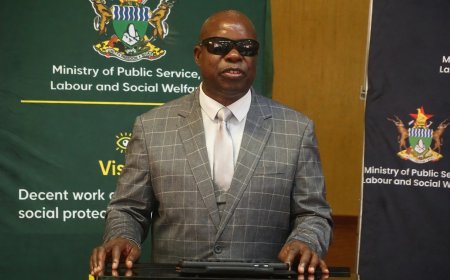
Gweru Residents Association Chief Executive Officer, Charles Mittawa, said the economic pressures facing council did not justify transferring a disproportionate share of the burden to residents.
Concerning the Council budget consultations on 60% ,I spelled out at Shumba Club in Mambo that despite the effects on the war in the Middle East, it wasn't proper to increase service items by 60%," he said.
He proposed reducing the 60% increases to 30%, arguing that the local authority should also explore revenue from its assets and commercial interests.
"I do understand the position of our economy, but it doesn't give anyone to place the bigger piece of the burden on the residents," Mittawa said.
He cited the council's quarry stone mine along the Mvuma Road, Ngamo Dam recreation facilities and Antelope Park, arguing that existing lease agreements should be reviewed to ensure the city derives greater revenue from its properties.
Gweru United Residents and Ratepayers Association (GURA) Secretary-General, Reward Mhuri, however, said some of the proposed water tariff adjustments were difficult to avoid given rising operational costs.
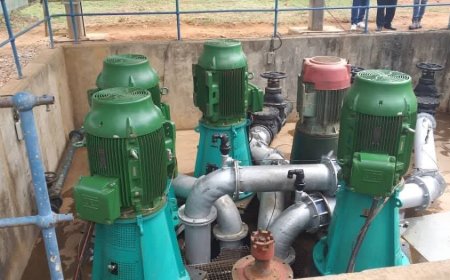
He cited fuel, water treatment chemicals, infrastructure maintenance and the need to increase pumping capacity as cost pressures facing the local authority.
"Looking at all that, there was no way residents could avoid such a reality," Mhuri said, adding that residents' representatives had tried to negotiate against increases in some proposed charges, including ambulance services and burial fees.
Concerns have also emerged over how some of the ward-level consultations were conducted, with residents alleging that certain council employees appeared to steer discussions towards accepting the proposed increases rather than allowing residents to freely debate them.
Kwedu News managed to attend one of the ward budget consultation meeting in Ward 13, Mkoba, which was poorly attended, with approximately 10 residents present compared with 13 council officials.
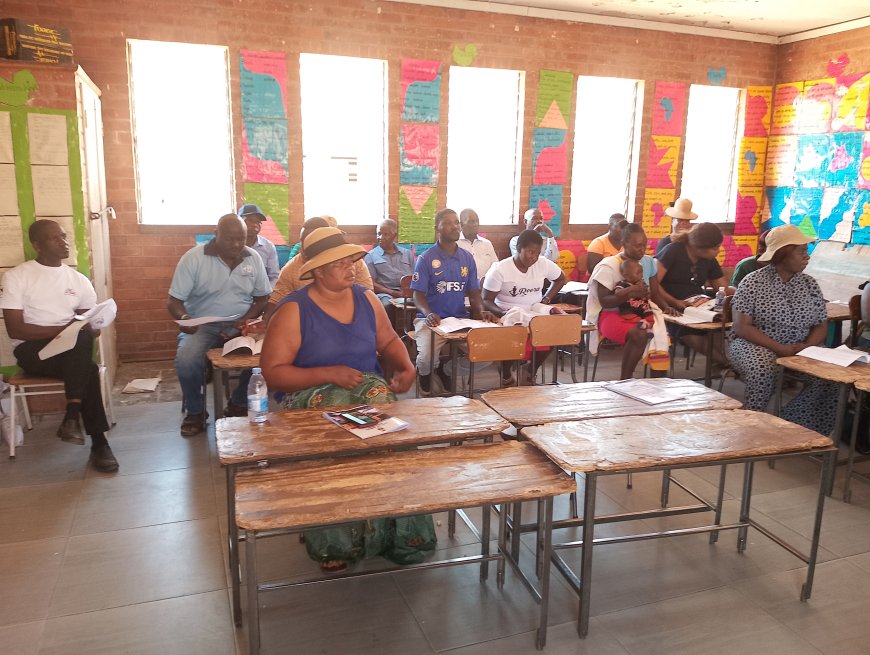 Low turnout characterised the Gweru Ward 13, 2027 budget consultation meeting at Takunda Primary School.
The imbalance has been raised by some residents representatives, who question the extent to which such meetings captured the views of the wider ward community.
At the ward meeting, for instance, residents differed over the proposed increase in ambulance fees from US$30 to US$40.
One resident suggested a compromise of US$35, while another argued that the charge should remain at US$30 because ambulance services were already expensive.
However, one council employee reportedly defended the proposed US$40 charge, citing the shortage of ambulances relative to the city's population, the high cost of providing the service and fuel price increases linked to the Iran war.
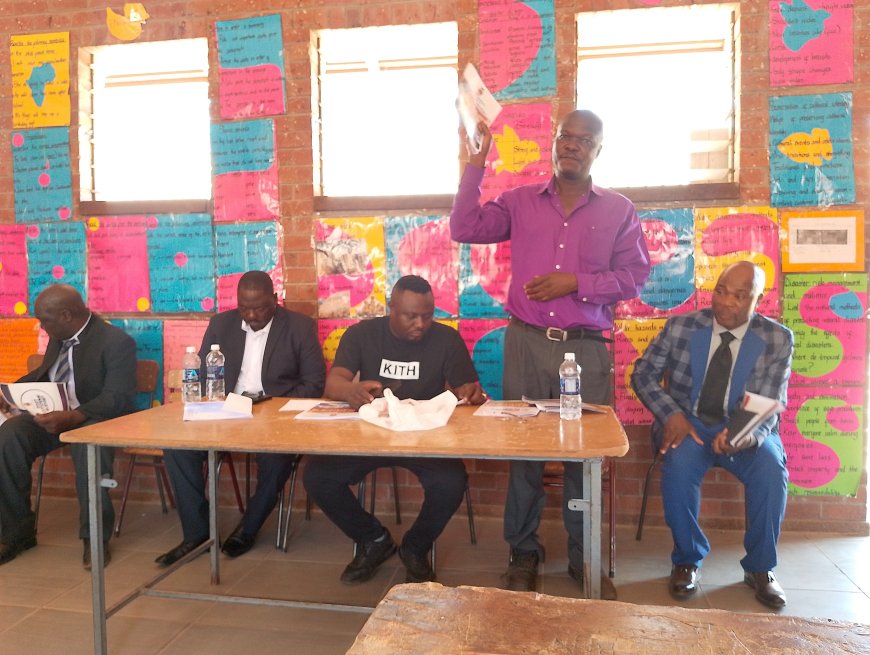 Some of council employees who led and tried to explain the 2027 proposed budget during the Ward 13 consultation meeting.
The employee indirectly emphasised that the minute-takers for the meeting note the proposed US$35 adjustment.
Residents also raised concerns about the cost of accessing council ambulance services on credit, saying those unable to pay the US$30 cash fee upfront are charged US$60, which is added to their rates accounts.
The proposed increase in ambulance fees comes against the cost of similar services in neighbouring Kwekwe, where council ambulance services are reportedly charged at only US$10.
The justification that higher ambulance fees are needed to enable council to acquire additional service vehicles also raises accountability concerns about the use of revenue from the local authority's existing public-private partnerships.
Council has previously said revenue from arrangements involving facilities and businesses such as the Kudzanai Bus Terminus, City Parking and Go Beer has been ring-fenced for the purchase of service vehicles and yellow machines.
Responding to concerns over the consultation process, Gweru City Council Public Relations Officer, Vimbai Chingwaramsee, said the proposed budget was circulated during the consultation meetings, where residents were given detailed explanations and an opportunity to ask questions.
She acknowledged that attendance at some ward meetings was lower than desired but said this did not mean residents had been excluded.
"Turnout at some ward meetings was lower than desired, and (council) shares the concern that this can weaken direct public scrutiny. However, low physical attendance does not mean residents were excluded from the process.
"Council deliberately complemented ward meetings with other platforms [like] digital surveys, and stakeholder-specific sessions, to widen access," she said.
"Council is also exploring innovative methods such as online surveys and improved mobilisation to deepen participation in future cycles.
"Residents who could not attend in person were still able to submit written comments, and all input received is documented and considered," Chingwaramsee said.
On the proposed increases, she said the adjustments were driven by the need to recover the costs of providing services and move towards a zero-deficit budget.
She cited higher fuel costs, spare parts and tyre prices affecting refuse collection, as well as increased water treatment chemical costs and electricity tariffs at the city's pumping stations.
"The proposed adjustment is driven by cost-recovery imperatives and the need to sustain service delivery," she said.
Chingwaramsee said the previous lowest domestic water consumption tariff of 51c per cubic metre was below the cost of producing and distributing water, and that the proposed 70c rate was intended to help meet those costs.
However, the supplied 2027 tariff spreadsheet used for ward consultations did not reflect the proposed 70c increase, instead lists the domestic consumption bands at the same rates in both the 2026 and 2027 columns.
Council also cited a daily water production deficit, saying the city was producing 67 megalitres against a demand of more than 120 megalitres.
Chingwaramsee said the additional revenue from the increase would be directed towards improvements in water supply, refuse collection and sewer infrastructure, including the acquisition of refuse compactors and graders, repairs to pumping and treatment facilities, as well as rehabilitation of sewer lines.
She said council was also considering ways to diversify its revenue sources, noting that more than 90% of its income currently came from rates and tariffs.