Zimbabwe Offering 100% Profit Repatriation & Tax Holidays in US$1.4 Billion Agricultural Investment Drive
The Zimbabwean government has unveiled a suite of aggressive fiscal incentives, including five-year tax exemptions and full foreign ownership, to anchor its new $1.42 billion agricultural transformation roadmap.
 Delicious Mathuthu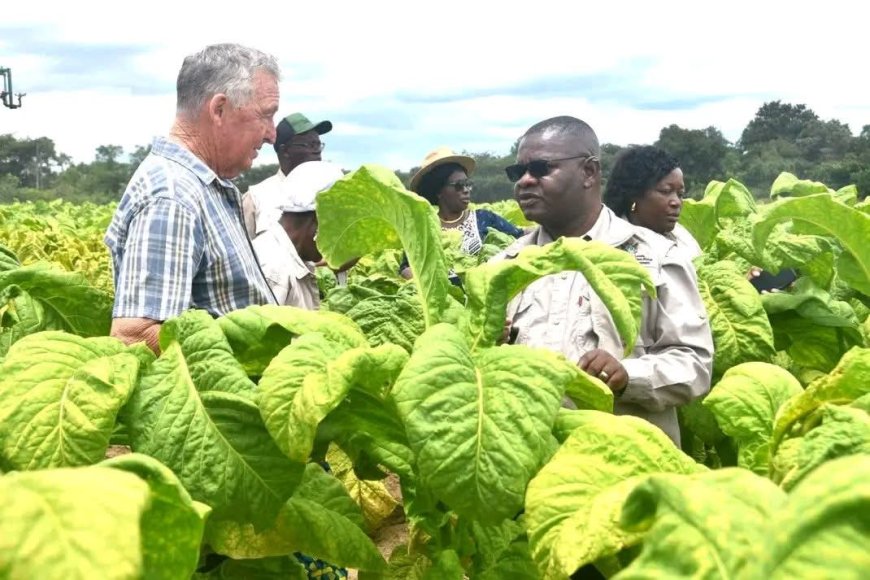
Harare - Zimbabwe government is courting global investors with a legacy programme of sweeping fiscal incentives, offering 100% profit repatriation and multi-year tax holidays to fund a US$1.42 billion transformation of its national agrifood systems.
The Ministry of Lands, Agriculture, Fisheries, Water and Rural Development’s new roadmap, the Zimbabwe Agriculture Food Systems and Rural Transformation Investment Roadmap (ZAFSRTIR), hinges on a series of aggressive investment models designed to de-risk the sector.
The Ministry says the frameworks, ranging from the Private Sector Investment Model to the Infrastructure 6.0 Model, aim to modernise eight key value chains including maize, soyabeans, and high-value export crops.
"Foreigners are allowed to own up to 100% of their investment and repatriation is allowable up to 100% of dividends from current year's proceeds," the Ministry stated in its strategic presentation.
The policy is bolstered by a multi-currency system designed to eliminate exchange rate risks for international partners.
To further lower the barrier to entry, the government has introduced a total exemption from Income Tax for the first five years of operation for projects within Special Economic Zones (SEZ).
The tax holiday also extends to "Built Own Operate and Transfer" (BOOT) and "Built Operate and Transfer" (BOT) initiatives, with a concessional 15% rate applied thereafter.
Government says the incentive package specifically targets the modernisation of the country's 33.3 million hectares of agricultural land.
Key provisions include a rebate of duty for the importation of capital equipment and materials for use in the preparation or packaging of fresh produce for export, and a 0% Value Added Tax (VAT) rate on essential farming inputs and equipment.
Additionally, the Ministry said, machinery and equipment are now allowable as part of equity investment into brown field projects.
To ensure these economic gains are protected, the government is also emphasising a zero-tolerance approach to graft.
Authorities maintain that the fight against corruption is won when those who witness it lodge formal reports, and investors are encouraged to approach various oversight bodies, beginning with the Office of the Commissioner General of the Zimbabwe Revenue Authority (ZIMRA).
The roadmap also offers investors security of tenure and the unique ability to have agricultural inputs repaid in the form of produce, subject to Exchange Control approvals.
The Ministry said the flexibility is intended to support the US$468 million requirement for maize and the US$403 million needed for soyabean value chains as Zimbabwe positions itself as a strategic gateway to the 600-million-person SADC and COMESA markets.