Zimbabwe Rejects Trump's Health Aid for Minerals Demand
President Mnangagwa terminates America First Global Health Strategy negotiations, citing U.S. attempts to link health aid to Zimbabwe's lithium and platinum reserves.
 Delicious Mathuthu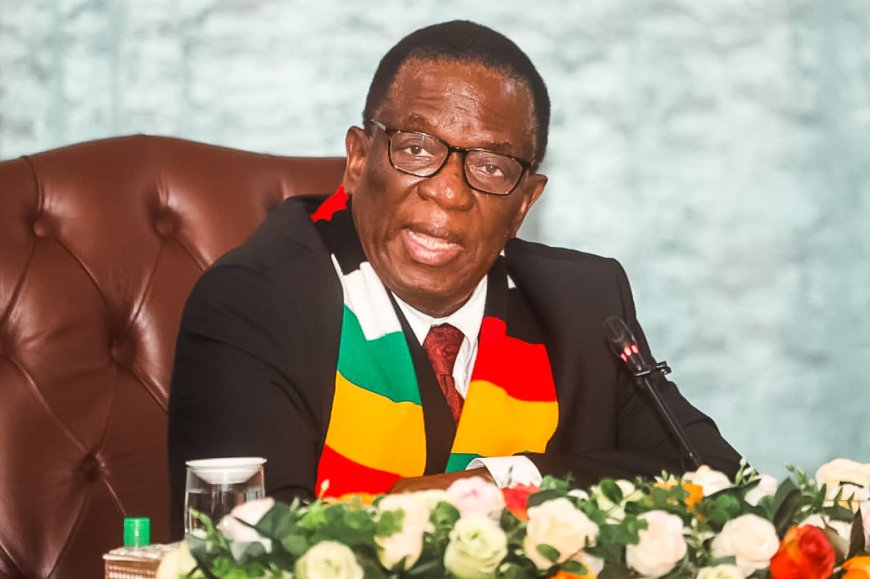
Harare - President Emmerson Mnangagwa has ordered the immediate termination of negotiations with the United States over a US$360 million health funding agreement, amid allegations that Washington attempted to leverage life-saving medical aid to secure access to Zimbabwe's critical mineral reserves.
Documents seen by this publication reveal that the directive, issued by the Ministry of Foreign Affairs and International Trade on December 23, 2025, characterizes the proposed Memorandum of Understanding (MoU) under President Donald Trump's America First Global Health Strategy (AFGHS) as a "lop-sided" arrangement that "blatantly compromises and undermines the sovereignty and independence of Zimbabwe."
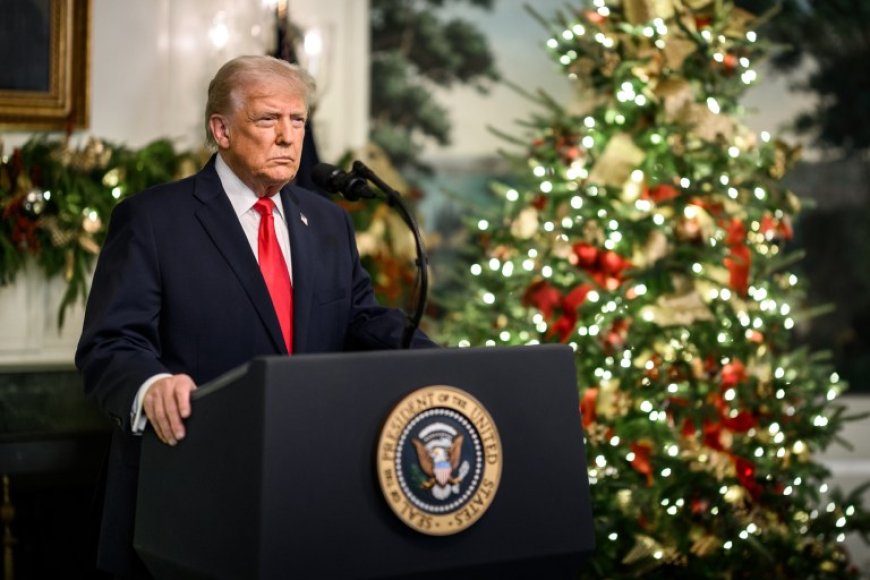 U.S. Government President, Donald Trump, now pushing transactional aid, minerals for health aid under the America First Global Health Strategy.
The collapse of the deal is part of a growing diplomatic rift as Washington pivots toward a transactional aid-for-resources model across the African continent.
Reports by one of Zimbabwe's online publications, ZimLive, says the U.S. negotiators sought to include provisions that would grant American entities preferential access to Zimbabwe’s vast deposits of lithium and platinum group metals, resources essential to the global energy transition, as a condition for continued health support.
"The President has directed that Zimbabwe must discontinue any negotiation with the USA," Foreign Affairs and International Trade Secretary, Ambassador Albert Chimbindi said.
The government viewed the linkage of humanitarian assistance to mineral extraction as an unacceptable overreach into national resource management.
Beyond the mineral requirements, Harare objected to U.S. demands for direct access to national health data, which Zimbabwean security officials classified as an intelligence overreach.
Zimbabwe further argued that the bilateral framework was a hypocritical alternative to the multilateral systems Washington recently abandoned.
"The USA is promoting the MoU as the future framework through which Washington will provide health support," Ambassador Chimbindi said.
Harare officials also maintained that entering a parallel health architecture would effectively "legitimize Washington’s exit from the global health order" following the U.S. withdrawal from the World Health Organization (WHO).
The rejection comes at a volatile moment for Zimbabwe's healthcare sector. Internal U.S. State Department communications, recently disclosed, indicate that Washington is already initiating a responsible exit from humanitarian funding in Zimbabwe, claiming there is no strong nexus between aid to the country and U.S. national interests, reports say.
While several other African nations have reportedly already signed similar agreements under the AFGHS framework to preserve their funding streams, some analysts state that Zimbabwe’s refusal to trade resource rights for medicine marks a definitive stand for "resource nationalism."
The standoff centers on Zimbabwe's position as a global leader in green energy minerals. With the world's third-largest platinum reserves and the largest lithium deposits in Africa, the country has become a primary target for U.S. strategic decoupling from Chinese supply chains.
The Zimbabwean government has signaled that it will look toward domestic resource mobilization and alternative international partners to fill the $360 million financing gap, rather than accept what it deems "extractive diplomacy."
While Zimbabwe has rejected the proposal, Washington’s health diplomacy offensive has gained significant traction elsewhere.
Data shows that at least 14 African nations, including regional neighbors Botswana, Mozambique, Lesotho and Eswatini, have already signed similar agreements under the AFGHS framework.
These signatories, which also include Nigeria, Kenya, Ethiopia, Rwanda, Liberia, Uganda, Cameroon, Madagascar, Sierra Leone and Côte d’Ivoire, have committed to a collective US$16 billion in funding through to 2030.
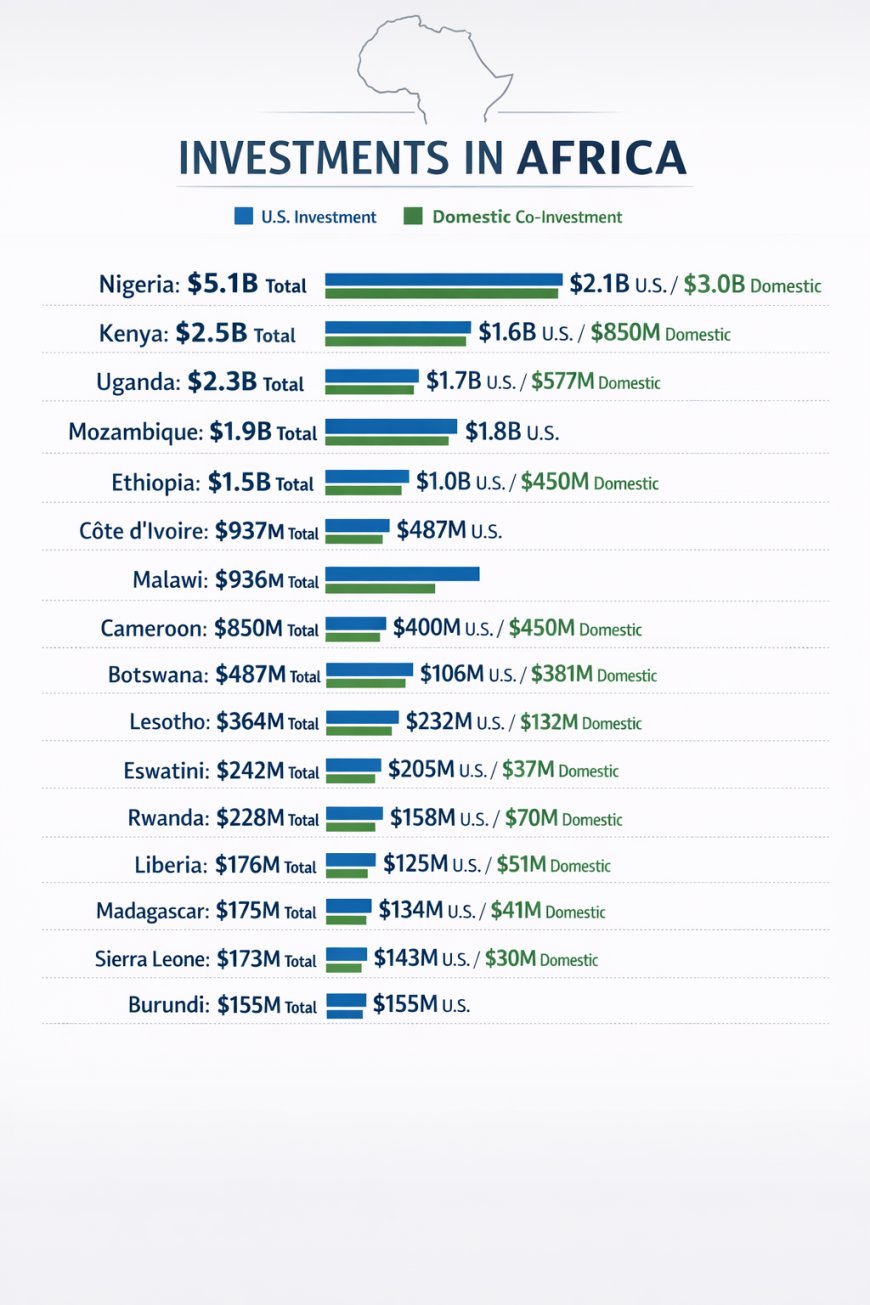 Some of the already signed agreements under the U.S. AFGHS
The agreements however mark a radical departure from traditional aid, shifting instead to a transactional co-investment model.
Under the U.S. terms, host nations are required to match Trump aid's funding with their own national budgets.
In Botswana, for instance, the Batswana government must now cover 78% of the total cost of programs previously funded by Washington in order to unlock just over US$100 million U.S. health aid.
The MoUs also grant the U.S. expansive auditing rights and direct, real-time access to national health data systems, provisions that have sparked legal challenges in Kenya over concerns of demographic surveillance.
The AFGHS agreements often include funding penalties, where U.S. support is withdrawn at a 2:1 ratio if a country fails to meet its domestic spending targets, meaning the U.S. will remove US$2 for every US$1 not honoured by the receiving government.
By opting out, Zimbabwe joins a small group of African dissenters who argue that these mandates transform humanitarian assistance into a tool for extractive diplomacy and a surrender of sovereign control, which include South Africa, Tanzania and the Democratic Republic of Congo (DRC).