Great Zimbabwe University Honours Founding Law Dean, Victor Nkiwane
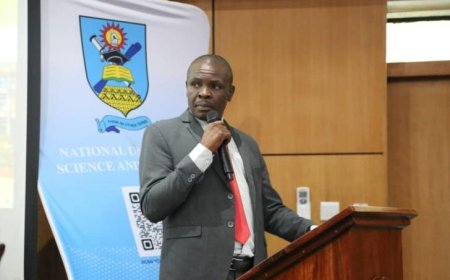
Great Zimbabwe University has honoured Herbert Chitepo Law School founding Dean, Victor Nkiwane, for his decade‑long leadership in establishing the faculty as a recognised centre of legal education. The ceremony celebrated his mentorship, accreditation milestones and enduring influence on Zimbabwe’s legal fraternity.
 Dumisani Ndlovu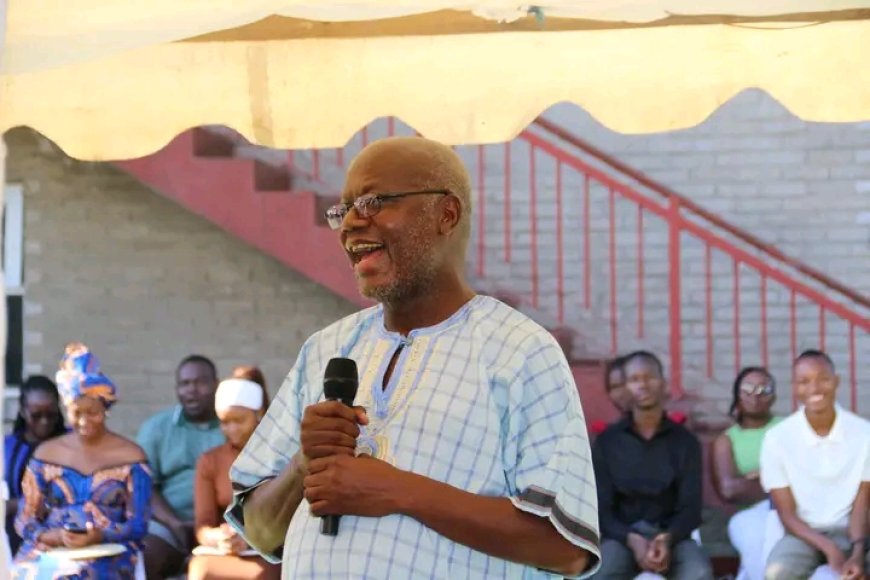
Masvingo - Great Zimbabwe University on Wednesday honoured Herbert Chitepo Law School founding Dean Victor Nkiwane for his role in establishing and developing the institution into one of Zimbabwe’s recognised centres for legal education.
The ceremony, held at the Herbert Chitepo Law School earlier in May, brought together University officials, lecturers, students, alumni and legal practitioners to mark the end of Nkiwane’s tenure after he retired early last year following a decade at the helm of the faculty.
Vice Chancellor Professor Rungano Zvobgo described Nkiwane’s contribution as foundational to the law school’s academic identity and reputation.
“We are not saying farewell,” Professor Zvobgo said, “He becomes Dean Emeritus, forever we shall remain indebted to him.”
Professor Zvobgo credited Nkiwane with helping position the law school competitively through strong performances in national, regional and international moot court competitions.
Under his leadership, the school gained recognition for advocacy training and for producing graduates who later joined Zimbabwe’s legal profession.
Executive Dean of the Herbert Chitepo Law School, Nkosana Maphosa, described Nkiwane as a mentor who shaped the school’s culture through discipline, precision and intellectual rigour.
Maphosa said the faculty secured accreditation from the Council for Legal Education before its first graduating class completed studies, attributing the milestone to Mr Nkiwane’s leadership.
“If you are a leader and you have not produced leaders, then you are a misleader,” he said, adding that academics mentored by Nkiwane now serve at Universities and professional institutions in Zimbabwe and abroad.
Deputy Dean, Musavengana Machaya, recalled the school’s formative years and narrated how Nkiwane remained calm during a critical inspection by the Law Society and the Council for Legal Education.
Machaya said staff members had struggled to contact Nkiwane ahead of the inspection, only for him to arrive shortly before the meeting and assure them the institution was adequately prepared.
Regulators later gave the school a favourable assessment.
Former students and colleagues described Nkiwane as a demanding but supportive academic whose influence extended beyond the classroom.
Masvingo-based legal practitioner and Herbert Chitepo Law School lecturer, Philip Shumba, who was previously taught by Mr Nkiwane at the University, described him as “a doyen” of the legal fraternity and credited him with shaping his professional development.
Shumba said Nkiwane later recruited him to join the Herbert Chitepo Law School during its formative years.
Law School Librarian, Oscar Mafuta, said Nkiwane’s mentorship influenced staff across departments, while Registrar Dr Sinikiwe Gwatidzo said the former dean remained closely connected to the institution despite retiring from active leadership.
Closing the ceremony, Pro-Vice-Chancellor for Academic Affairs and Administration, Professor David Chikodzi said the occasion offered lessons for students while reaffirming Nkiwane’s continued association with the University community.
In his remarks, Nkiwane described establishing the law school as the defining achievement of his career and “the best job” he had ever held.
He said he became the first law graduate from Gokwe before teaching in Zimbabwe, Lesotho and South Africa prior to joining Great Zimbabwe University.
Nkiwane expressed satisfaction with the growth of the law school and pride in its graduates, while crediting University leadership, academic staff and support personnel for helping build the institution.
He also cautioned students against overreliance on artificial intelligence in legal studies, saying strong writing and analytical skills remained essential to the legal profession.