The ZRU Christmas Eve Disbursement: Inside The "Executive Capture" of Zimbabwe Rugby
 Delicious Mathuthu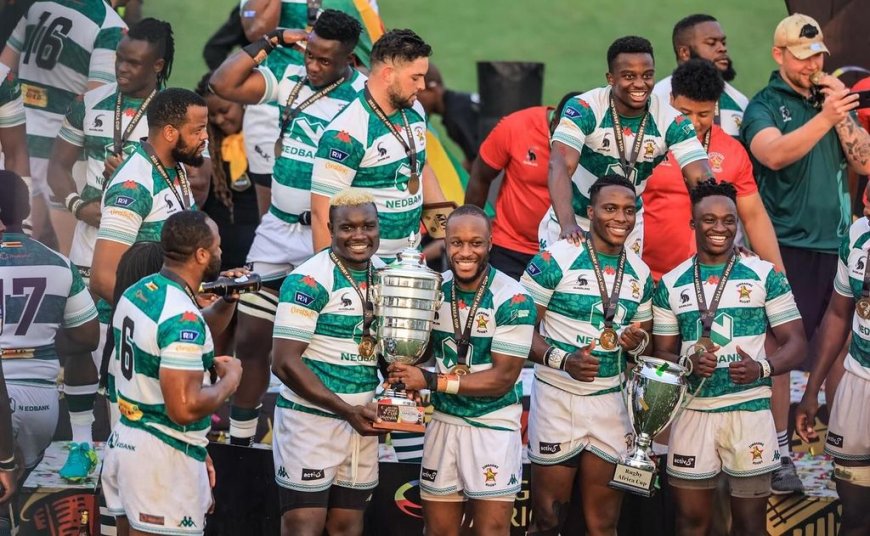
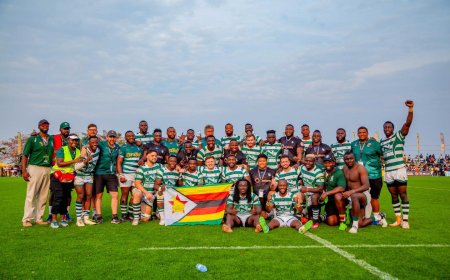
Harare - High above the manicured turf of Kampala's Mandela National Stadium in Uganda where Zimbabwe’s national rugby team secured a historic return to the 2027 Australia World Cup, a different kind of history was being written back home in the boardrooms of Zimbabwe’s sports regulators.
The story, not of athletic triumph but of what continental administrators, internal audits and leaked documents from the suspended Zimbabwe Rugby Union (ZRU) board now reveal as "systemic executive capture."
While the nation celebrated the Sables’ 30-28 victory over Namibia, a win that ended a 34-year drought, the domestic structures meant to support them have been labeled "not acceptable" by the highest office in African rugby.
Even as the team looks toward the future, the alleged maladministration haunts the ZRU to date.
"The structures in Zimbabwe are not working," Rugby Africa President, Herbert Mensah, said recently during his visit to Zimbabwe to discuss the nation's preparations for the 2027 Rugby World Cup.
Mensah revealed that the crisis was so acute he was forced to personally intervene with World Rugby to ensure the national team was not blacklisted due to administrative "chaos".
"...I've made it a mission because I sit as the president of Rugby Africa but I also sit on the board of the executive board of World Rugby.
"I also chair the regions of the world and therefore I was bound to protect Zimbabwe and make sure that in winning the tournament (Africa Cup) you would not be excluded from the big tournament (World Cup) because of the chaos that you have here in Zimbabwe. Let's be blunt, that's what it was, it was chaos and therefore it is," Mensah said.
"I had to summon like-minded people people who I respect, who have massive inputs to see what could be done because time waits for nobody and that's what Zimbabweans have to understand, that time waits for nobody," he said.
He described the current Interim Management Committee (IMC) as a joint "rescue mission" by global authorities to save the sport from total collapse.
ZRU president, Losson Mtongwiza was suspended by his board in May 2025, alongside women's rugby chairperson Regina Mwanandiwa, pending a formal inquiry into allegations of mistreating the senior women's rugby team, and severe administrative, financial and corporate governance failures.
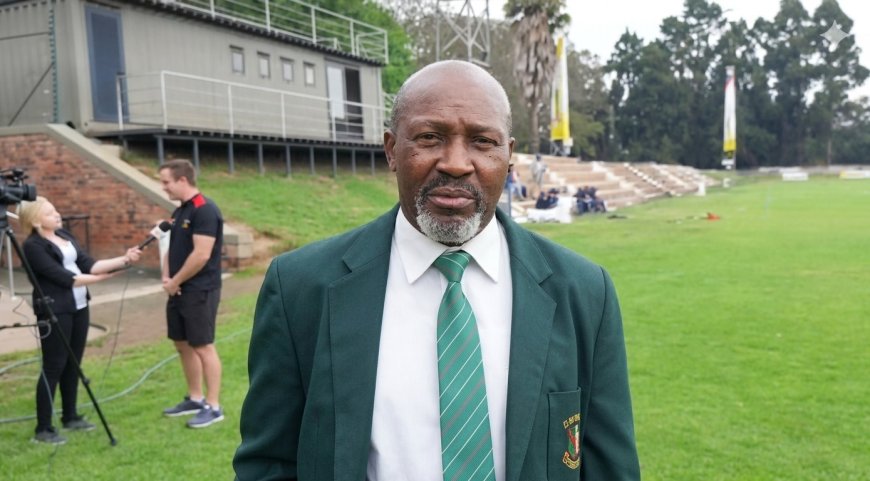 Former ZRU president, Losson Mtongwiza
In September 2025, eight ZRU National Executive Board and Committee members resigned following a Sports and Recreation Commission (SRC) 'show cause order' on the fourth, and the remaining leadership subsequently suspended over governance concerns on the 17th.
The SRC upheld ZRU's suspensions late February 2026, subsequently banning the duo from rugby activities for the next four years citing abuse of office and financial mismanagement.
Some of the suspended board members who spoke to Kwedu News say they feel wronged by a "pre-mature" suspension by the SRC as they were putting the ZRU house in order witnessed by the suspension of Mtongwiza.
"We had layed the foundation for correcting things, for proper corporate governance.
"The move by the SRC to suspend us before disciplinary hearing outcomes felt like a move to silence the board," one of them said on condition of anonymity.
He also said the Africa Rugby president, Mensah, was somehow shielded from some truths on the ground.
"This was deliberate so the facts are kept away from him, the IMC are a mere shadow of a process and agenda already started by the SRC suspended board which was seeking positive change in the union .. I don't know, maybe it was fear of the unknown," the former board member said.
The "Smoking Gun": December 24
At the heart of the ZRU collapse is a transaction that had become the "smoking gun" for the then board.
Recently leaked documents seen by Kwedu News reveal that on December 24, 2024, as the ZRU offices closed for the holiday season, a transfer of US$10,000 moved from the union’s Stanbic USD account to a private firm, Easycount Investments.
This was confirmed by another leaked internal charge sheet from the ZRU Governance and Ethics Committee, confirming that the union’s then-President, Mtongwiza, serves as the Managing Director of that company.
The committee categorised the payment as a potential case of embezzlement and money laundering, noting a total absence of service-delivery records or board approval.
The transaction was not an isolated incident; investigations have since detailed a "ghost" tender process involving proposed ZRU offices at the FBC-Old Hararians (OH) grounds.
While four companies submitted bids, forensic records reveal that no genuine tender adjudication committee ever existed.
Detailed office plans and bills of quantities were withheld from the National Executive Board (NEB), leading to formal charges of "intent to embezzle funds."
The "Stripping" of the Lady Sables
The financial figures take on a predatory tone when contrasted with the treatment of the Lady Sables during their April 2025 Africa Cup Division one campaign in Côte d’Ivoire.
While thousands were allegedly moving through executive-controlled channels in Harare, the women representing Zimbabwe faced a regime of what some stakeholders call "predatory extraction."
Charges against Women’s Rugby Chairperson, Regina Mwanandiwa, reveal that players who had represented the flag in San Pedro, Ivory Coast, were only given US$150 and returned to be "stripped" of their sponsored auxiliary wear, items they were contractually entitled to keep.
Documents also reveal that Mwanandiwa is accused of handling the tour’s finances "solo," bypassing the union’s accountant and leaving a trail of zero financial statements.
The human cost was captured in a leaked audio recording that catalysed the board’s downfall.
In it, Mtongwiza is heard telling the Lady Sables squad, "If you are here to be paid, don’t come again."
Lady Sables players raised concerns about paying US$35 out of their own pockets for official blazers, in what the ZRU board Disciplinary Committee said was "abuse of office."
The Mliswa Intervention: "A National Disgrace"
The public outcry reached a fever pitch earlier following a scathing intervention from veteran sports administrator and firebrand former Norton Member of Parliament, Temba Mliswa.
In a detailed letter circulated to the Sports and Recreation Commission (SRC), Mliswa, as Mashonaland West Provincial Rugby Board Chairperson, characterised the Mtongwiza ZRU leadership’s conduct as a "national disgrace".
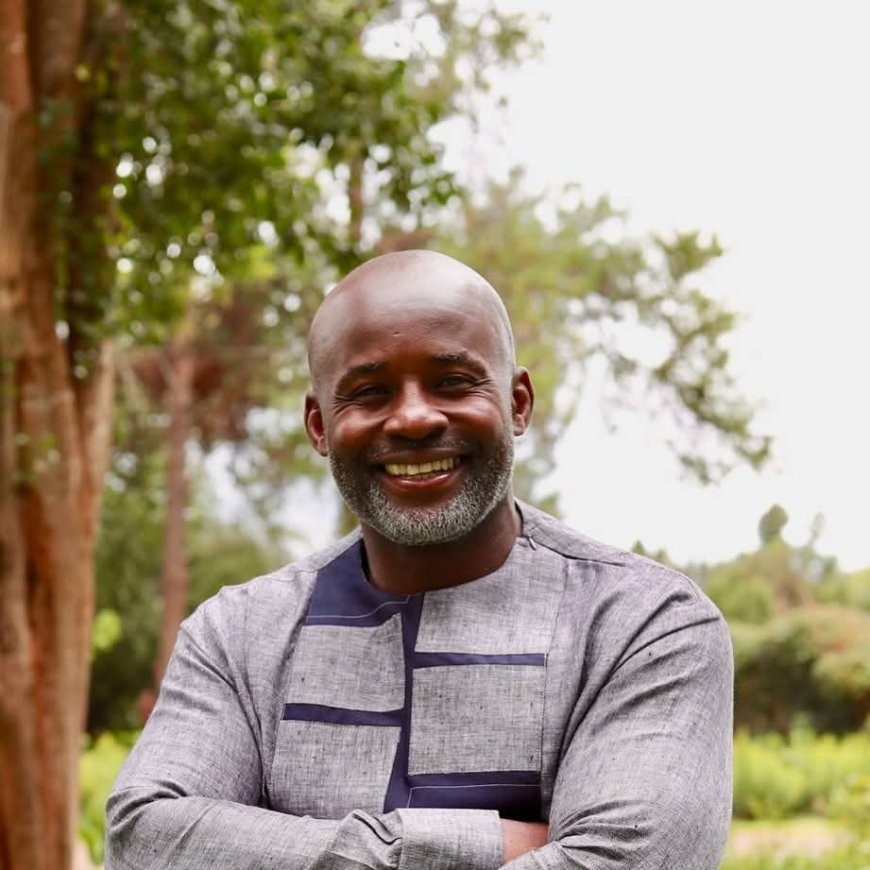 Temba Mliswa
Mliswa, in February 2025, took the ZRU executive to court on corruption related allegations and later causing the resignation of Chief Executive Officer Sifiso Made about the same time as the SRC show cause order board resignations and suspension.
Mliswa argued that the union’s "rot" was a deliberate attempt to muzzle the truth. His voice provided the political weight needed to move the investigation forward, arguing that the board's "blatant dishonesty" had brought the nation’s sporting reputation into global disrepute, as Mensah recently noted
Mliswa specifically highlighted the irony of the Sables' World Cup qualification occurring while administrators were allegedly "stripping" female players of their kits, calling for a total cleanup of the union's executive structures.
Shadow Ledgers and Cash Withdrawals
Investigations further uncovered intricate unvouched expenditures related to the Barthes Trophy.
Records show the union allegedly paid US$15,000 and nearly ZWL174,000 to Wise Owl High School for accommodation, yet the school provided zero invoices.
In a departure from electronic audit protocols, the President, Mtongwiza, reportedly authorised a US$5,000 cash payment to a third party for accommodation that the school allegedly has no record of receiving.
This culture of "cash-first" administration extended to a unilateral lease agreement between the ZRU and the FBC-OH Association.
Mtongwiza, acting as both ZRU President and FBC-OHA Chairperson, allegedly signed a legally binding lease without board notification.
Documents also show that between February and March 2025 alone, US$32,000 in cash allegedly moved between the two entities, shielding the union’s primary administrative overheads from standard oversight.
The Reckoning
By September 2025, the "internal rot" led to total paralysis, prompting the mass resignation of eight board members. Faced with the collapse, the SRC invoked Section 30 of the SRC Act to dissolve the remaining leadership.
In a disciplinary report dated November 13, 2025, the ZRU board counsel highlighted Mtongwiza’s alleged "blatant dishonesty" during hearings as a significant aggravating factor.
The committee noted that with over 20 years of experience, the leadership "ought to have known better," dismissing claims that documentation for building materials existed but was simply "not with him."
The board then urged for a stringent penalty, an eight-year ban of Mtongwiza from all rugby activities and a US$20,000 fine to be paid directly to Zimbabwe Women's Rugby to compensate the national athletes.
The Bridge
Zimbabwe Rugby's fate now lies in the hands of the five member IMC, appointed in September 2025, which serves as a fundamental pivot point between the administrative "chaos" of the past and a future aligned with international standards.
The team, comprising of prominent business executive and former rugby player for Watershed College, Paddy Zhanda Jr as the Chairperson; banking executive from Nedbank to oversee the commercial and financial stabilisation of the union, Latifa Kassim as Vice-Chairperson-Finance; technical expert and former Zimbabwe national team coach responsible for overseeing the game’s development and high-performance programs, Godwin “Jaws” Murambiwa on the technical front.
Completing the five is also legal professional tasked with overseeing constitutional reforms and the union's legal affairs, Wellington Magaya on the legal front as well as sports scientist and entrepreneur, focused on the commercial aspects of the sport and athlete welfare, Gareth “Gazza” Crabbe.
The committee works closely with Tinashe Chifokoyo, appointed as the General Manager of the union under the interim structure.
Tasked with a mandate that transcends mere oversight, the IMC is described by Mensah as a "Rugby Africa and World Rugby initiative" not only SRC, designed to navigate a negotiated roadmap that ensures short-term stability while laying the groundwork for medium-term governance reform.
A close source to the current happenings in Harare said the IMC has mooted possible action to recover some of the alleged embezzled funds.
Rather than acting as a tool for government interference, Mensah said the committee functions as a professional bridge to re-establish Zimbabwe the way that it should be, ensuring that the sport’s off-field management finally reflects the excellence achieved by the athletes on the pitch.
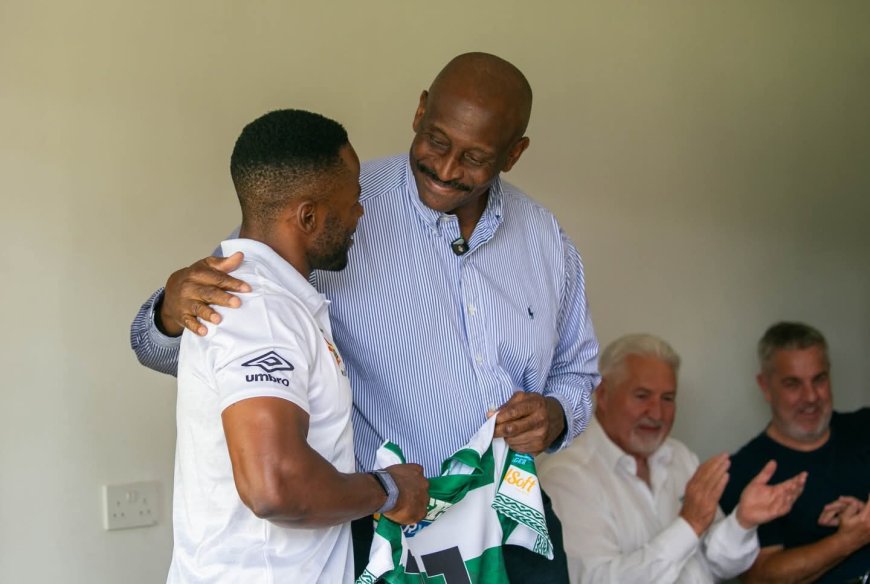 Zimbabwe Sables Captain, Hilton Mudariki (in white) and Rugby Africa President, Herbert Mensah
"We need to sit down with World Rugby and put our heads together and find a solution, and that's what we did in the creation of the IMC, putting very specific issues together for the SRC.
"Don't forget this is not an SRC show. It's important I state that otherwise that would be tantamount to government interference," Mensah stated.
"This is something I'm very clear in my mind. This is a Rugby Africa, World Rugby initiative respecting the rules and the laws of Zimbabwe hence you have the SRC," he said.