ZANU PF Activists Arrested for Alleged Abduction and Torture of CID Detective
A prominent ZANU PF youth leader and two accomplices have been detained in Zimbabwe following a high-profile abduction and torture of a CID Law and Order detective. The incident occurred during the contentious 2026 Constitutional Amendment Bill No. 3 (CAB3) public hearings in Gokwe, the Detective was allegedly seized and subjected to "falaka" torture in a secluded area.
 Dumisani Ndlovu
Gweru - Law enforcement authorities in the Midlands Province have detained three ZANU PF activists, including a high-ranking youth activist employed by the Prisons and Correctional Services, following the alleged abduction and systematic torture of a Kwekwe senior detective attached to the Criminal Investigation Department (CID).
The incident, which occurred in Gokwe against the backdrop of volatile public hearings regarding the Constitutional Amendment Bill No. 3 (CAB3), has spilled to state security agents as their duties intersect with partisan interests.
Sources who spoke to Kwedu News said one Isheunesu Benjamin Marima (30), a prominent Zimbabwe African National Union-Patriotic Front (ZANU PF) youth leader who is also allegedly employed at the Zimbabwe Prisons and Correctional Services (ZPCS) intelligence wing, was apprehended in a high-stakes police operation in Somabhula.
The victim, Detective Constable Bester Tati of the CID Law and Order section in Kwekwe, was reportedly targeted while performing official duties related to the monitoring of the legislative hearings.
According to police insiders, the ordeal began on April 1, 2026, when Detective Tati was approached by Marima and a group of associates under the guise of discussing the ongoing constitutional consultations.
The encounter rapidly transitioned from professional dialogue to physical coercion.
The detective was allegedly forced into a white Toyota GD6 vehicle which notably lacked a rear registration plate.
Once inside the vehicle, the suspects reportedly confronted the officer regarding his involvement in a prior investigation involving a ZANU PF official.
The situation escalated into a kidnapping as the vehicle was driven away from the public eye.
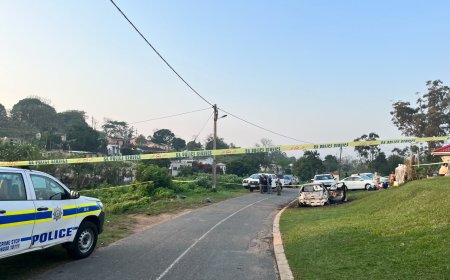
Investigative sources indicate that the vehicle was driven approximately one kilometer into a secluded wooded area near Nembudziya B Primary School in Gokwe.
The sources further say it is there that Detective Tati was allegedly subjected to "falaka", a method of torture involving sustained rhythmic strikes to the soles of the feet designed to cause intense internal pain while minimising external scarring.
The suspects reportedly interrogated the officer under duress before abandoning him at Mutora Business Centre.
The subsequent police response led to the arrest of Marima at the Gweru Somabhula Constitutional Amendment Bill No. 3 hearings, the following day, 2 April, an event witnessed by several members of the public.
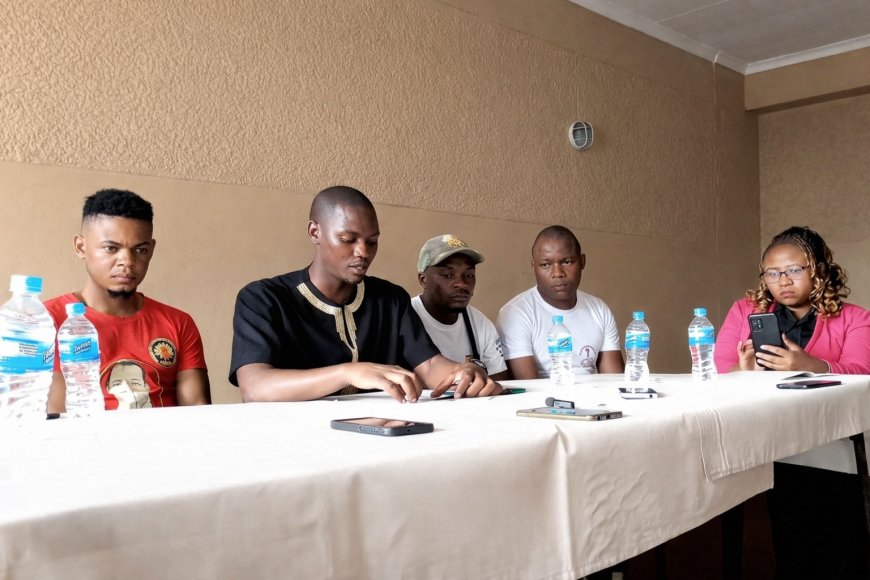
Accused ZANU PF youth activist, Isheanesu Marima (in black), addressing members of the media as leader of ZimBho Youth in Action sometime last year
Follow-up operations in the Bomba area of Gokwe resulted in the apprehension of two further suspects, Collin Masawi (44) and Edwin Chinogwa (33).
Masawi was allegedly driving a Ford Ranger double cab that was used as an escort vehicle during the abduction.
While three suspects remain in custody at Nembudziya Police Station, a manhunt has been launched for two additional accomplices, sources said.
Police have identified the remaining suspects as Erickson Mafuratidze and Wonder Gamba (43), the latter is reportedly employed as a loader at a local transport company.
Sources said the accused face formal charges of kidnapping under Section 93, and assault under Section 89 of the Criminal Law (Codification and Reform) Act.
The case has places a spotlight on the precarious position of the judiciary and law enforcement in Zimbabwe, raising questions regarding the rule of law as state officers are targeted by those claiming political proximity to the governing party.