
EVERY COMMUNITY NEEDS ITS OWN STORY TOLD
 Harry
Harry
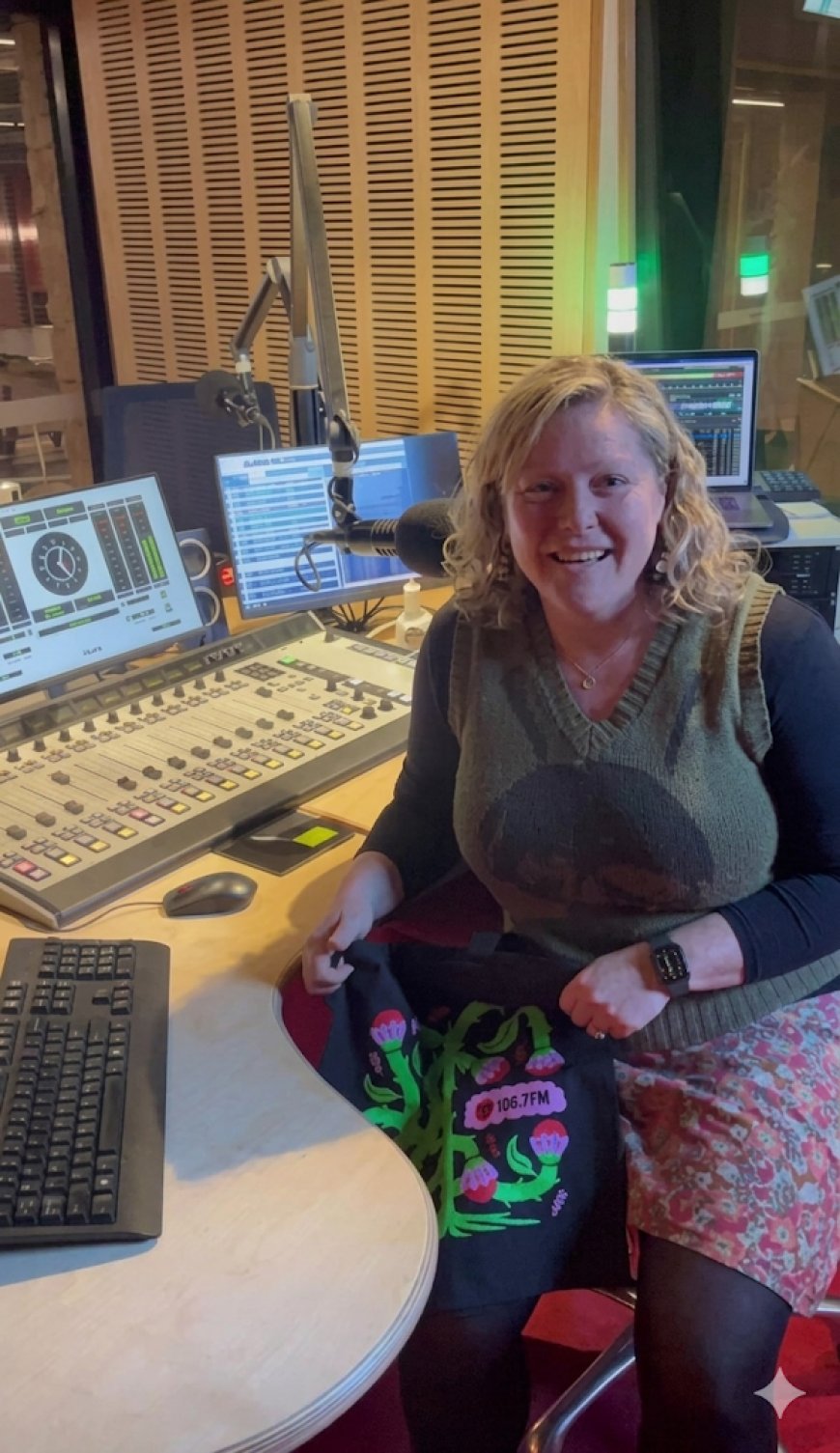
By Claire Stuchbery
We need a perspective shift when it comes to news. Just as we need doctors, teachers and firefighters, every community needs a news service that reflects the information needs of the places where we live and work. It’s time to start recognising journalism as the critical infrastructure to Australian society that it is.
Public interest journalism creates informed voters, covering governments at all levels, holding power to account, and bringing communities together by sharing and recording our common threads and diverse voices.
Further, it shares the stories, voices and perspectives of our own communities, sometimes for the benefit of the people in our own regions, and sometimes to amplify issues out to the world. There is a reason we know about a pipeline running through farmland in Alaska, a forest being logged in Brazil, antibiotics in offshore salmon farms in Tasmania, tinny heroes in Lismore - reporters were there to tell people what’s going on.
Audiences often expect to access news content for free, but news isn’t free to produce. This type of public interest journalism and investigative reporting tends to be the most costly, involving extensive investment of time and resources by news publications. In a news landscape facing concurrent pressures, news publishers can’t shoulder that cost alone.
The government, in particular, has a responsibility to ensure we all have access to verified information - that’s a base level requirement. Strong journalism also underpins the functions of our democratic system, facilitates civic engagement in decision-making processes and contributes to social cohesion - allowing us to place ourselves in the public dialogue, an important contributor to belonging. These are not the key functions of journalism per se, but the public good it generates when reporters are resourced to use their skillset for good - gathering disparate information, finding consensus and reporting those facts in a way that we can understand.
This week the government has moved forward with its proposed News Bargaining Incentive, currently open for public consultation. While it shows a promising commitment to this obligation to support democratising information, the policy as currently drafted, risks creating barriers to participation for small publishers and volunteer-based community media. Its design structure further entrenching the status quo in a media landscape that is already one of the most concentrated in the world.
Funding is needed not only to prop up existing publishers, but to regenerate a battered news industry and better serve Australian communities with relevant and reliable news services. In the meantime, news publishers are reliant on communities to support their work, yet few are inclined to paywall essential news content. These are community-minded people who want to serve the areas they are passionate about. They want information to be accessible, so they ask, often shyly, for voluntary contributions instead. Small payments that make all the difference to the number of stories they can cover throughout the year.
This week, member publishers within the Local & Independent News Association (LINA) movement are uniting for the Our News, Your Voice campaign.
You don’t have to read the news to benefit from independent media. The scarecrow function of news services and the community building aspects of public interest journalism, or a lack thereof, impact all of us. So I call any of us who care about the effective functioning of Australian democracy and has the capacity to donate to lend their support this week, or better yet, as an ongoing monthly contribution. Or at least encourage your network to subscribe to this news service’s newsletter as the next best thing.
Claire Stuchbery is the Executive Director of the Local & Independent News Association (LINA), an industry association supporting digital news publishers to produce high quality public interest journalism for the communities they serve.
lina.org.au