Media Pledges Better Inclusion as Deaf Survivors Recount Violence in Gweru
A new media audit reveals Zimbabwe’s systemic erasure of women with disabilities in GBV coverage, as a Gweru workshop highlights barriers, abuse, and calls for inclusive reporting.
 Delicious Mathuthu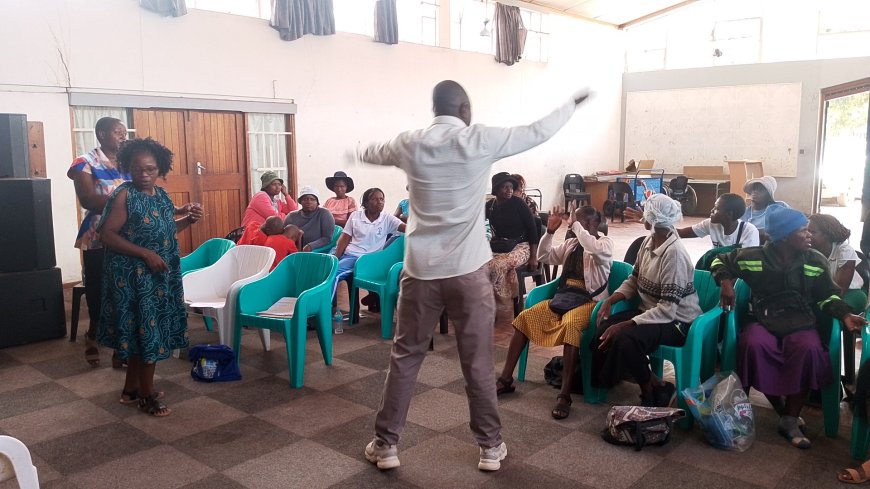
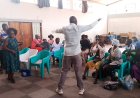
Gweru, Zimbabwe — In a sunlit hall in the Midlands capital, Gweru, the rhythmic movement of hands was as constant as the sound of voices. As presenters spoke, sign language interpreters worked in tandem, their hands cutting through the air to translate spoken English and Shona into a visual symphony of communication.
For many of the women present, some cradling infants or minding toddlers, the workshop was a rare moment of clarity in a world that often speaks over them. But for the hearing-able observers in the room, the experience offered a humbling role-reversal: the feeling of being in a space where everyone is communicating, yet you are the one left in the dark.
“It has been topical within the engagements that deaf women are experiencing a lot of gender-based violence and they still are engulfed in fear to talk about the issues that they experience,” said Locadia Mavhudzi on the sidelines of the workshop, a veteran women’s rights activist working with the non-profit, Deaf Women Included (DWI).
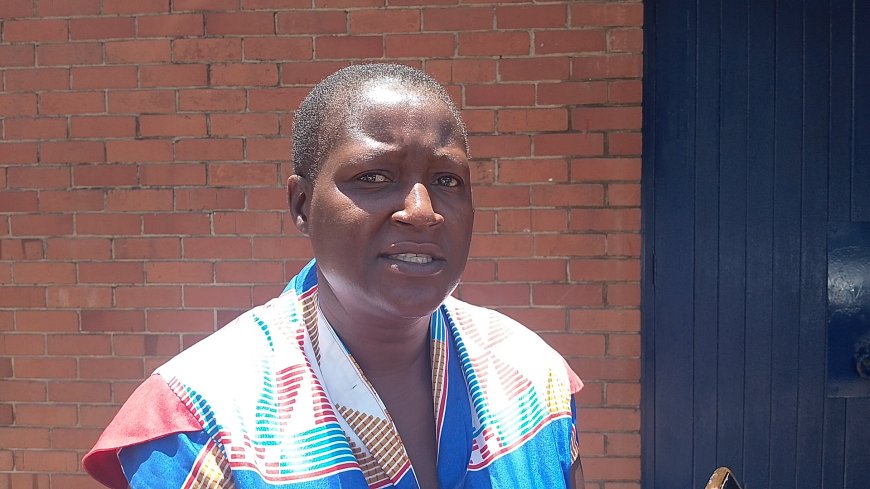 Locadia Mavhudzi
The workshop, designed to bridge the gap between women with disabilities and the media in the Midlands, eventually peeled back a layer of silence that data alone cannot capture.
As the day progressed, the initial hesitation dissolved. One by one, women began to stand, their hands moving urgently as they bore witness to their own lives.
They spoke of husbands who beat some of them, knowing they cannot scream for help, and of relatives being exploited in the shadows of their own homes.
The stories shared in Gweru are the human face of a damning new media audit titled “The Structural Silence: Media's Systemic Erasure of Women with Disabilities in GBV Coverage,” released in November last year, 2025.
The report, produced by DWI and the Ford Foundation, reveals a quantifiable structural deficit in how Zimbabwe’s media handles violence against women with disabilities (WWDs).
The audit reveals that 42% of media houses reported that their coverage of this demographic was "0% or less than 1%."
"The analysis confirms a quantifiable structural deficit in GBV (Gender Based Violence) reporting, leading to the systematic erasure of WWDs from mainstream public discourse on violence," the report states.
This erasure has lethal consequences. Mavhudzi noted that because survivors feel they have no safe outlet or way to communicate their trauma, they end up taking their own lives or plunging into mental health issues.
The research highlights that the silence is not just a lack of interest, but a lack of access.
In a country where 45.3% of women with disabilities cited the high cost of data as their primary barrier to information, the digital divide is a safety risk.
When the media does report on these cases, the audit found that 66.7% of women with disabilities perceive the coverage as victim-blaming or sensationalist.
"Media coverage must be accessible to all... This is not optional as it is a right and a practical necessity to ensure safety and informed decision-making," said Agness Chindimba, Director of Deaf Women Included, in the report.
 Agness Chindimba
During the Gweru session, journalists were challenged to look inward. They articulated their commitment to professional ethics but admitted a significant hurdle, the language barrier.
Many expressed an urgent interest in learning basic sign language to get information direct from the victim rather than to have information go around in circles, Mavhudzi said.
As the workshop drew to a close, the facilitators realized that the floodgates had opened wider than anticipated.
The sheer volume of abuse cases raised by the attendees, ranging from intimate partner violence to domestic exploitation, indicated that a single session was not enough.
"Through the engagement, they have learned about the importance of solidarity, the importance of opening up, the importance of sharing experiences and reporting crime," Mavhudzi said.
The audit calls for a "strategic roadmap" that moves beyond voluntary sensitivity to mandatory compliance, including sign language interpretation and plain language summaries for those with intellectual disabilities.
For the women in Gweru, the path forward involves a newfound, if cautious, trust in the media.
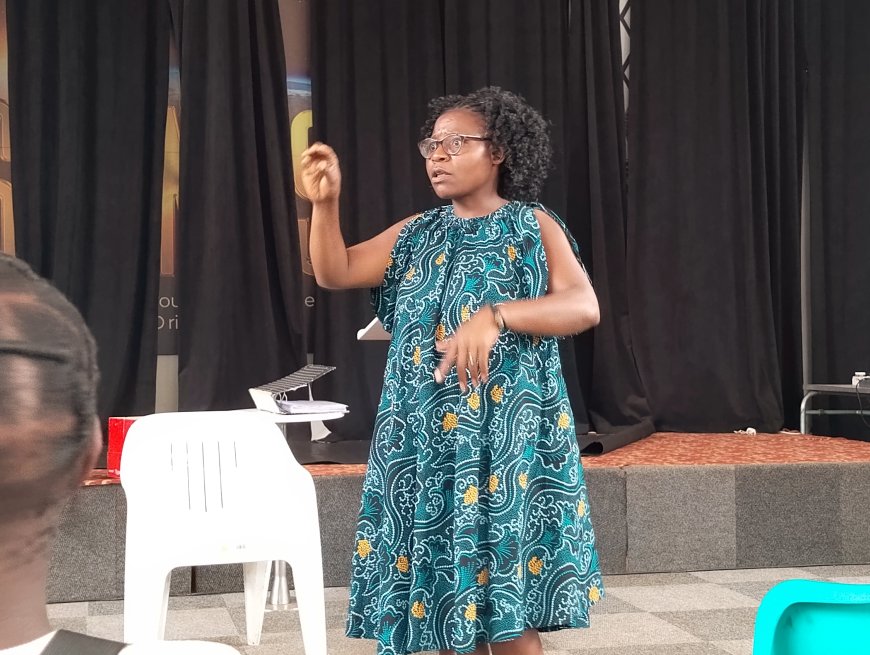
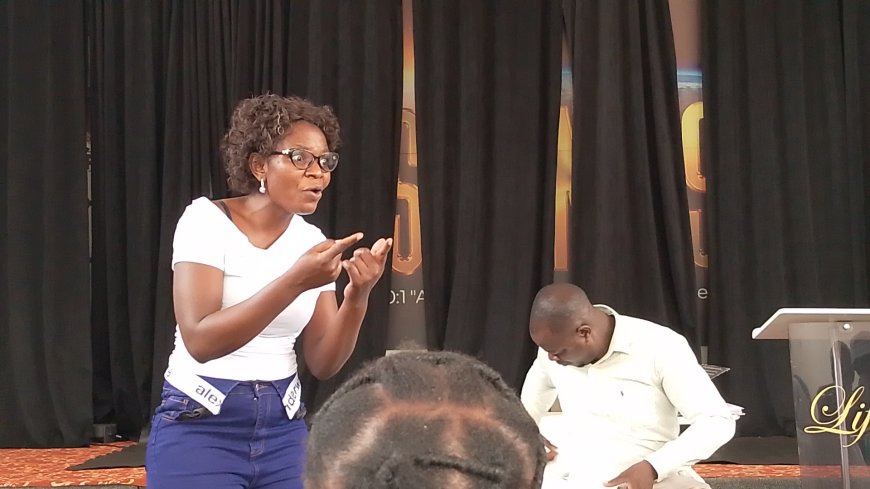 DWI Community Group Chairperson, Nomatter Nyatsanga facilitating through signing during the Gweru Workshop
They were encouraged to seek assistance from stakeholders and to view the press not as a predator, but as a megaphone for their survival.
"The workshop has been an eye-opener for both the journalists and the women with disabilities," Mavhudzi said, adding that "we want to ensure that deaf women are not left behind and that deaf women's issues are spoken and articulated."
WATCH: Mavhudzi Interview and Deaf Women interaction with facilitators, speaking on their life experiences