Catholic Bishops Challenge Constitutional Amendment Bill No.3, as Opposition Anti-2030 Intensifies
The Zimbabwe Catholic Bishops Conference has challenged the Constitution Amendment Bill No. 3, warning of threats to democracy, institutional independence and the sovereign will of the people.
 Dumisani Ndlovu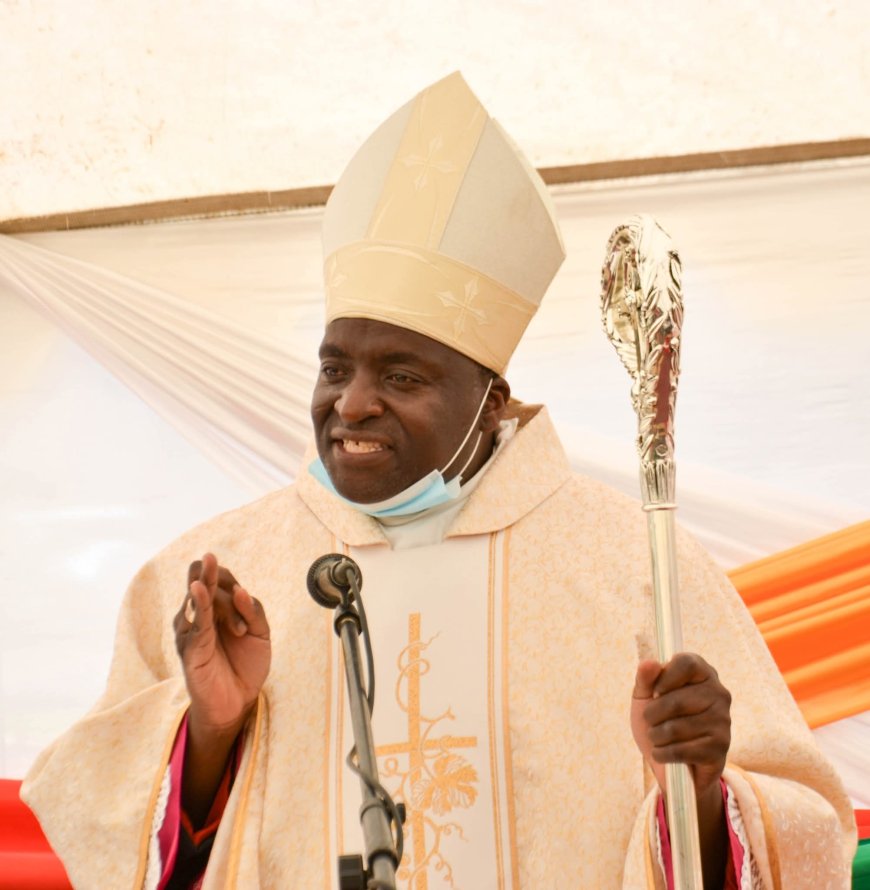
Harare - The Zimbabwe Catholic Bishops’ Conference (ZCBC) has launched a blistering critique of the proposed Constitutional Amendment Bill No.3, warning that the legislation threatens constitutional democracy, weakens institutional independence and undermines the sovereign will of the people.
In a strongly worded submission to Parliament, dated 12 May 2026, the bishops said several provisions contained in the amendment bill risk eroding democratic safeguards deliberately entrenched in the 2013 Constitution and could open the door to the dangerous concentration of power.
The submission, issued from the ZCBC General Secretariat in Harare, framed the constitutional debate as a moral, national and generational question rather than a narrow political contest.
“The Constitution is more than a legal instrument. It is a solemn national covenant born out of the sacrifices, aspirations, and sovereign will of the people of Zimbabwe,” the Bishops said.
The Catholic bishops argued that constitutional amendments must strengthen public trust in institutions, democratic participation and accountability instead of weakening them for short-term political interests.
The Conference expressed deep concern over what it described as attempts to dilute institutional independence and diminish direct democratic participation, warning that such changes could compromise the integrity of the Judiciary, Parliament, prosecutorial authorities and the Zimbabwe Electoral Commission (ZEC).
The Bishops further invoked the African philosophy of ubuntu/hunhu, saying leadership should be rooted in service to the people rather than the consolidation of power.
“Strong and independent institutions are indispensable pillars of democratic life,” the Bishops noted, adding that public confidence in state institutions remains essential for national peace, constitutional legitimacy and long-term stability.
The intervention by the Catholic Church has added significant moral weight to growing resistance against the proposed amendments and the broader political discourse surrounding the controversial “2030 agenda,” which critics claim seeks to extend incumbent political influence beyond constitutional limits.
Prominent opposition figure, Gift Ostallos Siziba, swiftly endorsed the Bishops’ position, describing the submission as “a solid defence of constitutionalism, institutional independence, public participation and the sacrosanct rights of the people of Zimbabwe.”
 Prominent opposition polictical activist Gift Ostallos Siziba
Posting on Facebook, Siziba said the bishops had spoken with moral clarity, constitutional fidelity and courageous honesty at a critical moment in the country’s democratic trajectory.
He said the church had correctly rejected attempts to undermine direct democratic participation, weaken constitutional safeguards, extend incumbency through constitutional manipulation, erode the independence of key institutions and centralise excessive power at the expense of the people of Zimbabwe.
Siziba further argued that Zimbabwe’s Constitution was born out of the sacrifices and aspirations of ordinary citizens and should never be “mutilated to serve narrow political interests of parasitic elites.”
“In moments such as these, silence becomes complicity,” he said.
The Bishops’ intervention is likely to intensify national debate over the amendment bill at a time when concerns are mounting among civic organisations, constitutional experts and opposition groups over the future of democratic governance in Zimbabwe.
While government officials backing the proposed amendments argue the reforms are necessary for administrative and governance efficiency, critics fear the changes could weaken constitutional checks and balances painstakingly negotiated during Zimbabwe’s constitutional reform process.
The ZCBC has now formally urged Parliament to reject provisions of the bill that it says are inconsistent with constitutional democracy, judicial independence, accountable governance and the sovereignty of the people.