The Constitution Is Not ZANU PF Property”: Chibaya Slams ‘Captured’ National Hearings After Somabhula Chaos
Opposition legislator Amos Chibaya has denounced Zimbabwe’s Constitutional Amendment Bill No. 3 public hearings as exclusionary and manipulated, following violent disruptions at Somabhula Council Hall in Gweru. Chibaya and other opposition figures accused ruling party youths of barring dissenting voices, harassing journalists, and controlling access to venues, framing the process as illegitimate and symptomatic of Zimbabwe’s wider governance crisis. Journalists were manhandled, equipment confiscated, and citizens silenced, raising serious concerns about transparency, inclusivity, and the credibility of the constitutional reform process. MISA Zimbabwe has also warned of escalating threats to press freedom during the hearings.
 Dumisani Ndlovu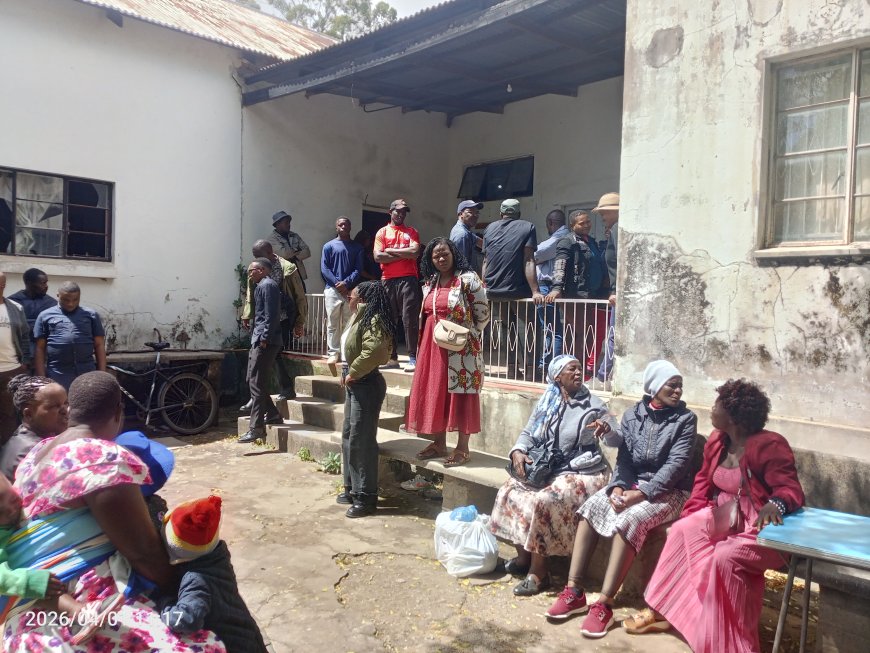
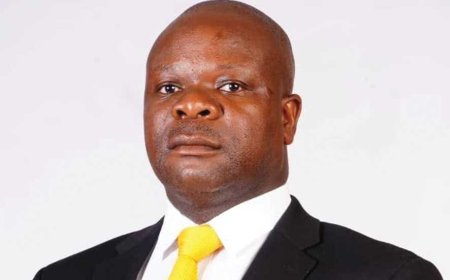
GWERU – Opposition legislator Amos Chibaya has delivered a scathing condemnation of the ongoing Constitutional Amendment Bill No. 3 public hearings, describing the process as exclusionary, manipulated, and detached from the will of ordinary citizens.
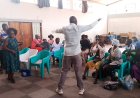
His remarks follow violent scenes at Somabhula Council Hall, where he was abruptly stopped mid-presentation after his microphone was forcibly snatched and destroyed, triggering chaos that spilled across the venue.
“What I witnessed today here in Somabhula in Midlands, which is also being witnessed throughout the country, is that those who do not support ZANU PF—those who hold different views—are not allowed to enter the venue,” Chibaya said.
“If you enter the venue by force, you are not even allowed to speak. What this clearly means is this process has got nothing to do with the citizens of Zimbabwe.”
The disruption quickly escalated, with journalists manhandled and barred from recording. Eyewitnesses said a female journalist had her phone forcibly snatched while filming, while others were pushed and threatened.
“It was coordinated. Anyone with a phone was targeted,” said one journalist.
For Chibaya, the events in Somabhula are not isolated—but part of a broader national pattern.
“Therefore, we cannot even talk of any amendment because that amendment is under people,” he said. “The Constitution is not a ZANU PF document. It is the Constitution of Zimbabwe, which belongs to the citizens of Zimbabwe, not ZANU PF.”
He went further, framing the developments as symptomatic of a deeper governance crisis.
“We all know that we do have a governance crisis in this country, born out of a cycle of disputed elections,” Chibaya said. “Zimbabwe is not ZANU PF private limited company. ZANU PF cannot do whatever they want with the citizens of Zimbabwe.”
He also questioned the role of ruling party youths at the hearings.
“It is actually shocking. ZANU PF youths are the ones giving security to these venues, yet we have competent police in this country. We cannot allow such lawlessness,” he said.
Adding to the growing criticism, opposition figure Privilege Desmond described the hearings as a “one-man show” dominated by the ruling party.
“I was shocked beyond words to see people being beaten while law enforcement agents stood petrified,” Desmond said.
“We are in trouble as a country if ZANU PF can just do as they please.”
He also questioned why alleged ruling party youths were controlling access to the venue.
“One wonders why Parliament allowed ZANU PF youths to man the entrance and screen people entering. This is supposed to be a national process, not a party project,” he said.
Amid the backlash, Gweru District Coordinating Committee (DCC) Secretary for Information and Publicity Victor Maride distanced the ruling party from the allegations.
“I am not privy to the harassment of journalists. Maybe it happened while I was outside,” Maride said.
“You know we are a law-abiding party; we do not allow such indiscipline.”
The MISA Zimbabwe has also raised alarm over the safety of journalists covering the hearings, warning of harassment, intimidation, and restricted access at various venues.
For Chibaya, the unfolding events underscore a fundamental question about the legitimacy of the process.
“This is our country together,” he said. “We must come together and end this madness.”
As Zimbabwe pushes forward with consultations on one of its most consequential constitutional reforms, the credibility of the process—and the space for dissenting voices—remains under intense scrutiny.
Chibaya Audio: