14 Arrested In Gweru As Police Move Against Anti-Amendment Bill Gathering
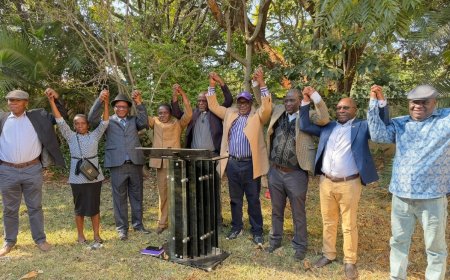
On March 28, 2026, police in Gweru arrested 14 opposition supporters and civic actors accused of staging an unsanctioned gathering against Zimbabwe’s Constitutional Amendment Bill No. 3.
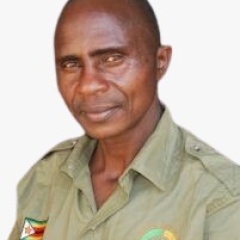 Dumisani Ndlovu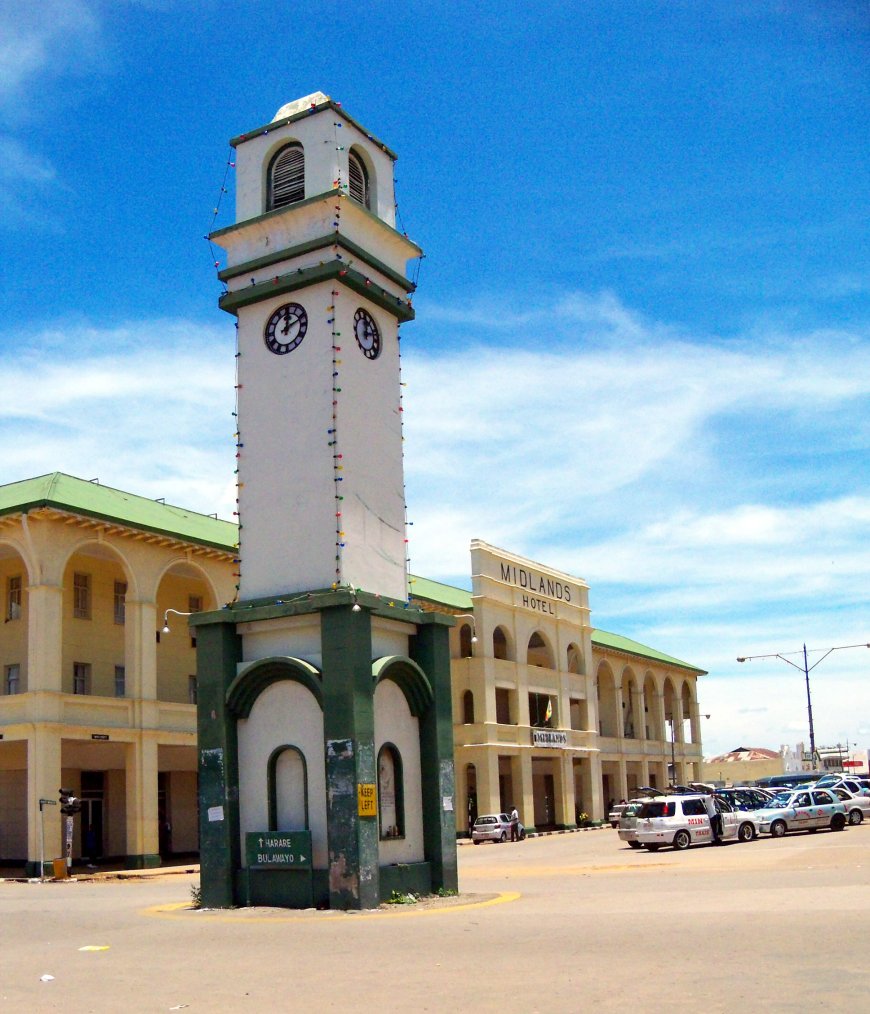
Gweru - A fresh wave of arrests in Gweru has intensified concerns over shrinking democratic space, after police swooped on a group of opposition supporters and civic actors accused of staging an unsanctioned gathering against the proposed Constitutional Amendment Bill No. 3.
But beneath the official charge lies a deeper and increasingly contested narrative, one of alleged systematic suppression of dissenting voices.
According to leaked police accounts, the group had convened to express opposition to the controversial amendment bill, which has triggered unease among sections of civil society and opposition politics in Zimbabwe.
Witnesses say the meeting was modest in scale but politically pointed.
A handful of participants reportedly wore white caps emblazoned with the phrase “God is on it”, a symbolic gesture that has become increasingly visible in protest circles.
Before the gathering could gain momentum, law enforcement units moved in.
Officers from the Gweru Urban District Reaction Group, acting on intelligence, descended on the scene and rounded up all 14 participants.
The group was subsequently detained and is expected to appear in court facing charges linked to unlawful assembly.
The fourteen individuals arrested are Alouis Ziumbwa, Tendai Munhamo, Auther Kalaza, Judith Sibanda, Malvin Chikwekwete, Calvin Maganga, Clive Nyathi, Gilson Chibaya, Livingston Chimina (former Chiundura Member of Parliament) , Prince Muzhanda, Nicholas Chitambudza, Otilia Mkandla, Tarisai Machando and Wellington Chimoto.
The incident adds to a growing list of arrests targeting members and supporters of the opposition political parties as well as civic organisations perceived to be resisting the proposed amendment.
Among those arrested are senior local opposition figures, including a former parliamentary candidate for the Chiundura constituency, exhibiting the political sensitivity of the crackdown.
Critics argue the enforcement of MOPA is being selectively applied to silence opposition activity, particularly around politically sensitive issues such as constitutional reform.
“This is now about control of narrative, control of space and ultimately, control of dissent, not regulation," one critic said.
The proposed Constitutional Amendment Bill No. 3 has emerged as a flashpoint in Zimbabwe’s political landscape.
While the government maintains the changes are necessary for governance efficiency, opponents view the bill as a potential erosion of democratic safeguards.
Civic groups have attempted, often unsuccessfully, to mobilise public discussion around the bill, citing increasing restrictions on assembly and expression.
Saturday’s arrests in Gweru appear to reinforce those fears.
“The arrests may disperse people physically,” a political activist who declined to be identified noted, “but they do not dissolve the underlying grievances," he said.
The detained individuals are expected to appear before Gweru Magistrate court, where the legality of their gathering, and by extension, the broader question of political freedoms, will come under scrutiny.