Patrick Chinamasa, Zanu PF Youth League reject the controversial US$3.6 million donation to MPs.
ZANU PF faces internal turmoil as Patrick Chinamasa and the Youth League condemn Wicknell Chivhayo’s US$3.6M pledge to MPs, warning it undermines Parliament’s integrity amid fierce debate over Constitutional Amendment Bill No. 3.
 Dumisani Ndlovu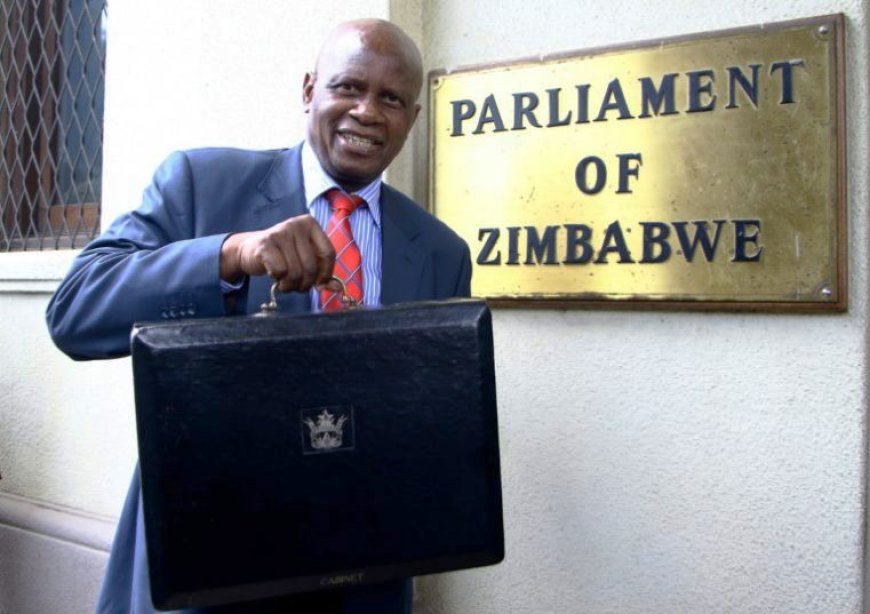
HARARE – Deepening cracks have emerged within ZANU PF after senior party figure Patrick Chinamasa and the party’s Youth League mounted a rare, coordinated pushback against businessman Wicknell Chivhayo over his controversial US$3.6 million pledge to Members of Parliament.
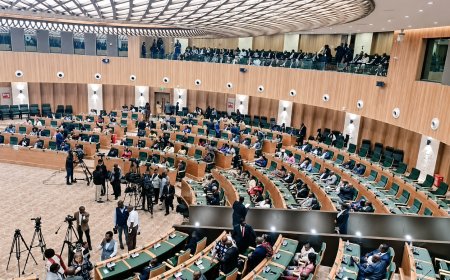
The escalating backlash comes at a politically sensitive moment, as Parliament debates the highly contentious Constitutional Amendment Bill No. 3 (CAB3), raising fears that the donation could be perceived as an attempt to influence legislative outcomes.
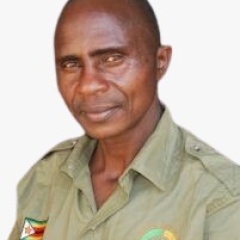
In an unusually bold move, the ZANU PF Youth League—through its deputy secretary for youth affairs, John Paradza—publicly urged Parliament to reject the donation outright.
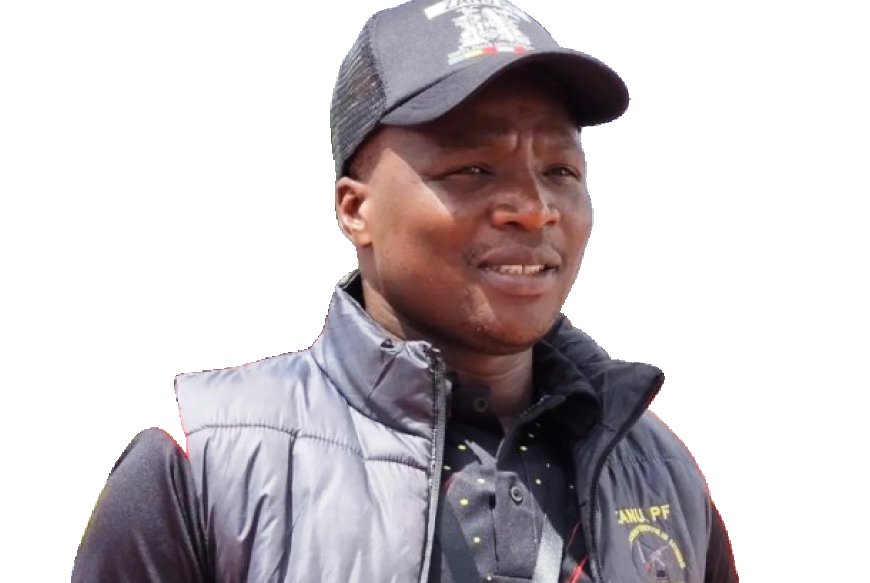
ZANU PF Youth League deputy leader John Paradza says Parliament must not be seen as being bought
The youth wing warned that accepting such funds risked undermining the integrity of the legislature.
“Parliament… cannot be seen as being bought or swayed through donations, be it in cash or kind, that appear transactional,” the statement read.
The rebuke is politically significant, given Chivhayo’s close ties to influential figures within the ruling party and his long-standing role as a benefactor of ZANU PF-linked initiatives. His reported association with businessman Kudakwashe Tagwirei—widely speculated to harbour presidential ambitions—has added further intrigue to the unfolding controversy.
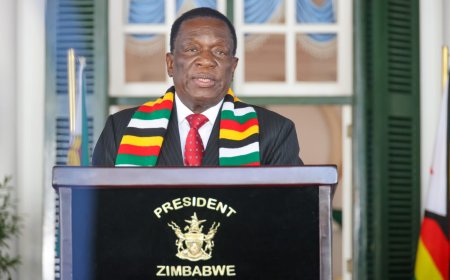
Backing the Youth League, Chinamasa issued a strongly worded statement condemning the donation as “misguided, ill-advised, and uncalled for,” arguing it risks placing President Emmerson Mnangagwa, Parliament, and state institutions into disrepute.
He went further, describing the pledge as:
“A base, unethical and unprincipled attempt to influence the outcome of the ongoing debate on CAB3.”
Chinamasa’s intervention signals growing unease within senior party ranks, transforming what began as a controversial donation into a full-blown political flashpoint.
The controversy is inseparable from the fierce debate surrounding CAB3, a proposed constitutional amendment with far-reaching implications. Critics argue the bill could fundamentally reshape Zimbabwe’s democratic framework—potentially removing direct presidential elections and empowering Members of Parliament to choose the Head of State.
Opposition parties, legal experts, and civil society organisations—including the Law Society of Zimbabwe and the Zimbabwe Human Rights Commission—have warned that such changes could weaken democratic accountability and open the door to undue political influence.
Within this context, the Youth League’s warning that Parliament “cannot be forced or bought” has amplified broader national concerns, even as the wing stopped short of directly opposing the amendment itself.
Despite its sharp criticism, the Youth League carefully reaffirmed loyalty to President Mnangagwa, praising his leadership and ongoing development initiatives—highlighting the delicate balancing act within party structures.
This dual messaging—firm institutional rebuke paired with strong political allegiance—underscores the sensitivity of challenging figures perceived to be close to the presidency.
John Paradza urges Parliament to refuse “transactional” donations.
The unfolding saga has drawn in a widening circle of stakeholders, including civil society groups, church leaders, and war veterans, all raising concerns about the independence of Parliament at a critical legislative juncture.
Meanwhile, Chinamasa has continued to defend CAB3, insisting it will pass with overwhelming support from ZANU PF legislators, who are expected to vote in line with party resolutions.
Chivhayo, at the centre of the storm, has yet to publicly respond.
What began as a financial pledge has now exposed underlying tensions within Zimbabwe’s ruling party—pitting questions of ethics, governance, and political loyalty against the backdrop of one of the most consequential constitutional debates in recent history.
As the CAB3 process unfolds, the controversy surrounding the US$3.6 million “donation” is likely to remain a defining test of both ZANU PF’s internal cohesion and the credibility of Zimbabwe’s parliamentary system.