Momentary Chaos at Gweru Vungu Constitutional Amendment Bill No.3 Hearing
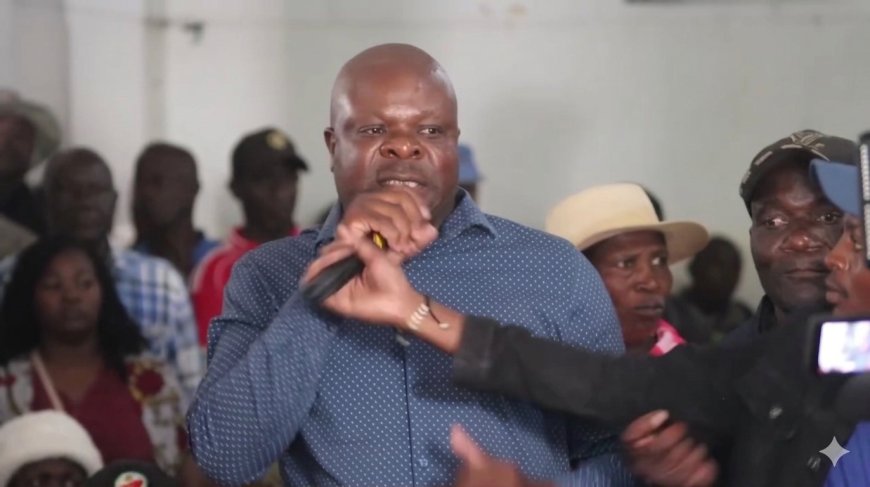
Momentary clashes at the Vungu hearing in Somabula after a suspected ZANU PF activist tried to grab the microphone from former Mkoba Member of Parliament while making his contribution. The systemic and simingly organised disruptions reflect a broader national crisis in urban and peri-urban hearings over the proposed extensions to presidential term limits and governance reforms, analysts say.
 Harry
Harry
By Evidence Chipadza and Delicious Mathuthu
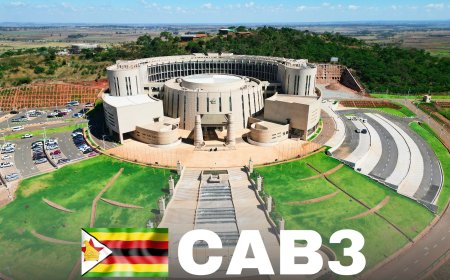
Somabula, Gweru - Violence and tactical intimidation momentarily disrupted a public hearing on the Constitutional Amendment Bill No. 3 at Somabula Community Hall, just a few kilometres outside Gweru, marking one of the volatile escalations in a nationwide consultative process currently under fire for excluding dissenting voices.
The events in Vungu, which analysts say are indicative of a broader national pattern across Zimbabwe marred by reports of bussed-in supporters, overcrowding at undersized venues like in Bulawayo and Harare, have seen a coordinated crackdown on the amendment opposing opinions.
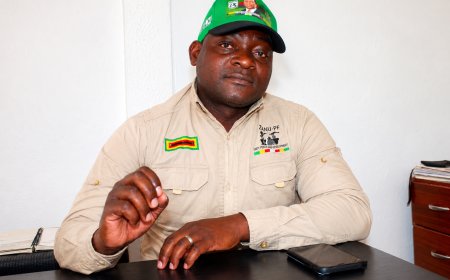
The Vungu hearing took a momentary dramatic turn when former Mkoba Legislator, Amos Chibaya, attempted to make a formal submission.
Chibaya raised concerns regarding the status of the Zimbabwe Gender Commission, arguing it should be established as a standalone entity to ensure its constitutional effectiveness.
His contribution was immediately met with aggressive resistance from suspected ZANU-PF supporters, who attempted to physically block him from speaking by grabbing the microphone away from him.
In the ensuing chaos, journalists were also harassed, some blocked and ordered to cease recording Chibaya’s contribution by the suspected activists, an act that mirrors the broader suppression of media and civic oversight reported by the Media Institute of Southern Africa (MISA) Zimbabwe and Amnesty International.
"...yesterday was something else. We faced an unexpected challenge when Chibaya and his team came. Our phones were taken and we were threatened, resulting in some video loss. Despite this setback, we managed to preserve some crucial content," one senior journalist following the hearings said.
Despite the disturbances, the hearing continued, a vocal majority in attendance at the Vungu session expressing support for the bill, framing the extension of President Emmerson Mnangagwa’s term, from five to seven years, as a prerequisite for national stability.
Proponents argued that the extension is necessary to protect the continuity of development programs under the "Second Republic."
Local farmer, Debra Sithabile Ncube, was among those who credited the administration’s Pfumvudza agricultural initiative for enabling bumper harvests, while also citing the construction of the Trabablas Interchange as a milestone of progress.
Similarly, Kudakwashe Shambare seconded the bill, asserting that a five-year term is insufficient for the President to fully implement ambitious national projects like Vision 2030.
However, the Vungu proceedings also highlighted the growing legal and democratic resistance centered on Section 328 of the Constitution.
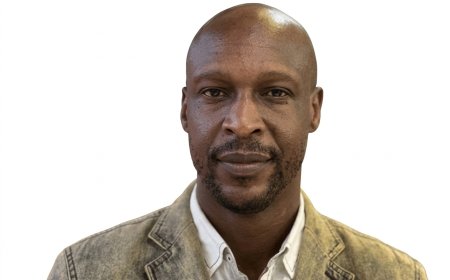
Participant Tendai Rimai emerged as one of the prominent dissenting voice, arguing that any extension of presidential terms must be subjected to a direct national referendum.
"The President was elected by the people," Rimai maintained, insisting that such a profound change to the executive structure requires public approval rather than a parliamentary maneuver.
The friction in Somabula is now part of a larger national narrative of consultation fatigue and political boycott.
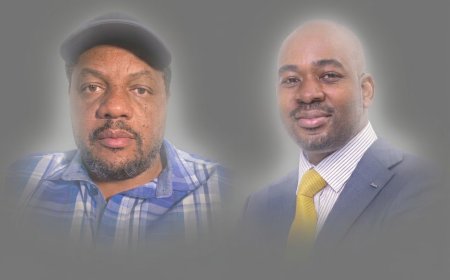
On April 1, 2026, prominent opposition and civic leaders, including Tendai Biti, Jameson Timba and Lovemore Madhuku, announced a formal withdrawal from the Parliament-led hearings.
They cited orchestrated violence and the systemic exclusion of dissenting citizens as reasons for their boycott, describing the current four-day schedule as an inadequate and "toxic" attempt to centralise power.
The Somabula Mic Grab Attempt