Zimbabwe’s Debt Dilemma: The Silent Power Play at the 2026 IMF and World Bank Spring Meetings
ZIMCODD says as global finance leaders gather in Washington, D.C., Zimbabwe’s pursuit of "prosperity through policy" highlights a growing tension between international fiscal discipline and national economic sovereignty.
 Delicious Mathuthu
Harare - In the glass-walled corridors of Washington, D.C., the 2026 Spring Meetings of the International Monetary Fund (IMF) and the World Bank Group opened with a familiar chorus of cooperation and stability.
Finance Ministers and central bankers from across the globe gathered to navigate the technical challenges of debt sustainability. Yet, for Zimbabwe and much of the Global South, the polished language of the summit masks a harsher reality of a global financial architecture where debt functions less as a ledger entry and more as a system of geopolitical control.
The Zimbabwe Coalition on Debt and Development (ZIMCODD) in it's latest edition of "The Weekend Reader" said the official dispatch from Zimbabwe’s Ministry of Finance and Economic Development paints a picture of a nation in lockstep with global expectations.
Anchored by the theme “Building Prosperity Through Policy,” Harare signaled its commitment to rigorous fiscal discipline and macroeconomic stability.
The alignment is a prerequisite for the country’s ongoing re-engagement with international lenders and its adherence to the Staff-Monitored Programme.
However, the coalition said, critics argue that the sound policy is essentially a performance of compliance.
They said by prioritising the restoration of creditor confidence and meeting externally set benchmarks, the space for structural transformation that benefits ordinary citizens continues to shrink.
"Prosperity is reduced to restoring creditor confidence and meeting reform targets, rather than advancing structural transformation or improving everyday livelihoods," the recent ZIMCODD analysis noted
The disparity in influence remains the most glaring fracture in the summit’s veneer of partnership.
Within the IMF, power is a commodity bought with financial contribution rather than measured by a nation's vulnerability.
It ensures that those who provide the capital retain the authority to dictate the terms of its repayment, leaving borrowing nations like Zimbabwe to respond to rules they played no part in drafting.
"Power within the International Monetary Fund is tied to financial contribution, not to the scale of vulnerability or the urgency of need," the ZIMCODD report continues,.adding that "This means that those who lend hold more influence than those who borrow."
For Zimbabwe, currently navigating a labyrinthine arrears clearance process, the cost of this stability is often paid in the currency of public welfare, they said.
The insistence on fiscal consolidation frequently translates into a narrowing of policy choices that prioritises debt servicing over the immediate needs of the population.
The result is a palpable strain on health systems and social protection frameworks, a burden carried disproportionately by those on the margins of society.
Despite the growing cracks in the system, the 2026 meetings show little appetite for radical alternatives.
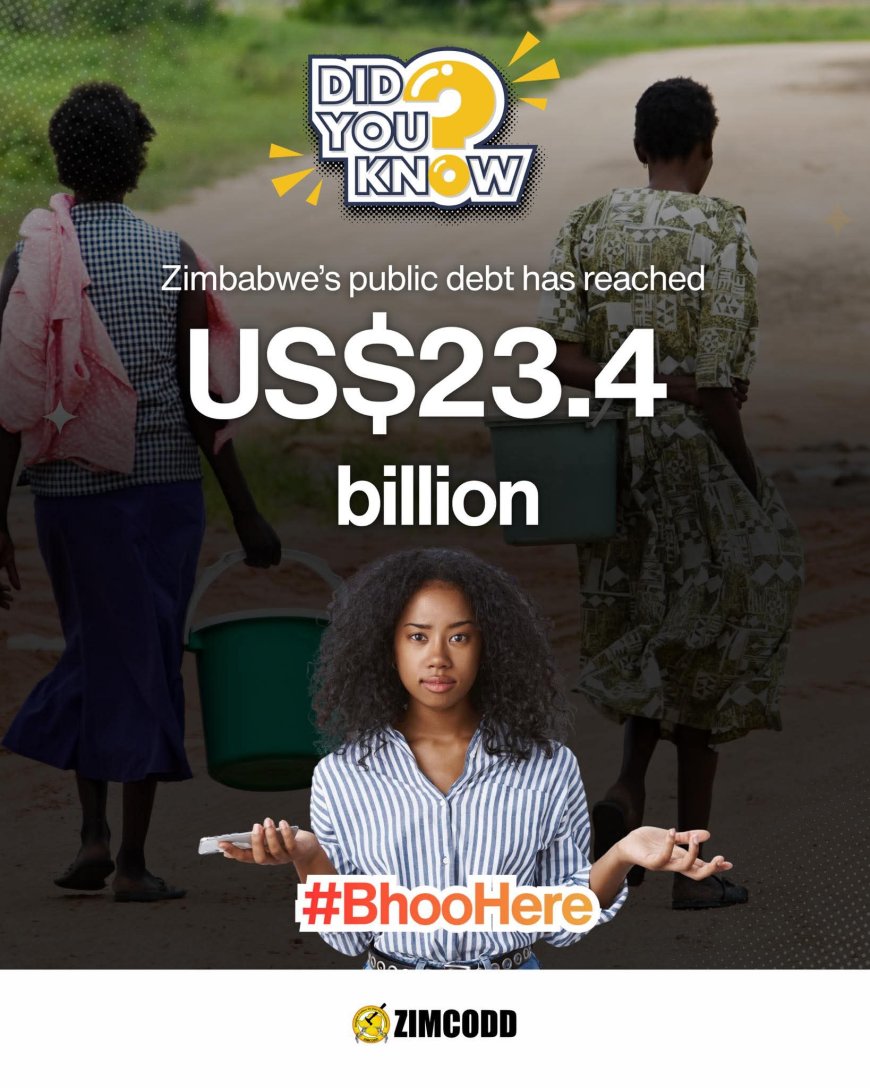
Large-scale debt cancellation remains absent from the agenda, replaced instead by incremental adjustments and carefully worded communiqués.
It creates a repetitive cycle where countries enter debt distress, implement strict austerity measures to secure relief and eventually find themselves borrowing again under the same restrictive conditions.
"Being present in the room is not the same as shaping the agenda. Participation without power is a performance, not partnership," the analysis concludes.