Australian Invictus Energy Zim Oil & Gas Project Pushes Ahead Amid Qatar's AI Mansour Partnership Collapse
 Delicious Mathuthu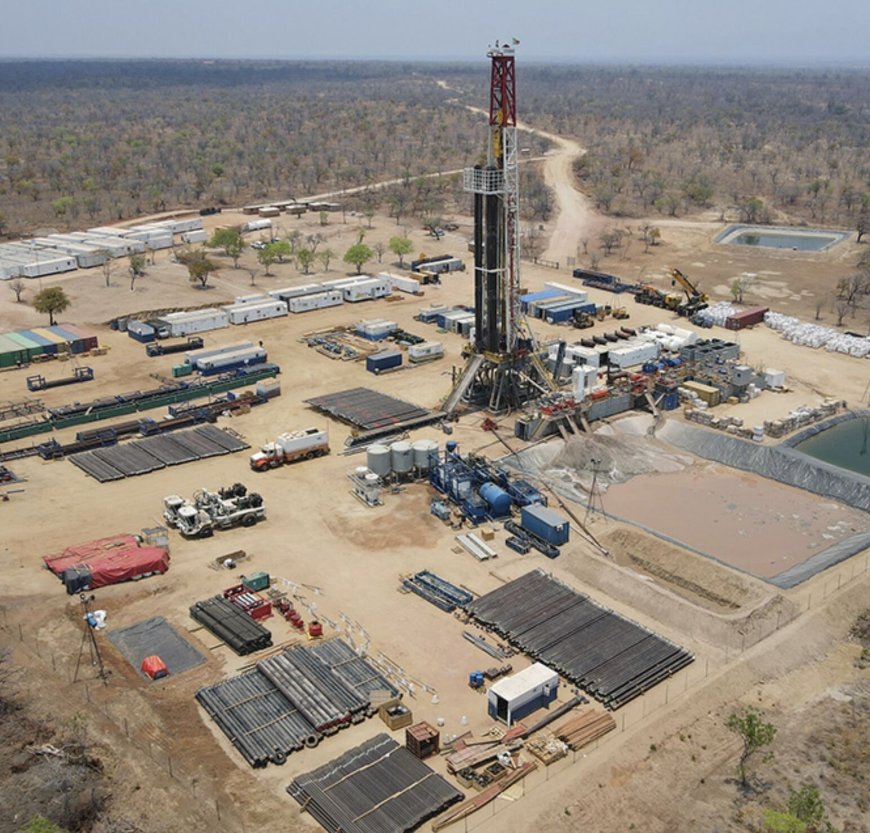
Harare - Australian-listed Invictus Energy is advancing its ambitious gas project in Zimbabwe's Cabora Bassa Basin, betting on vast untapped reserves to transform the southern African nation's energy landscape, even as a high-profile partnership with Qatari investors unraveled this month.
The company, which holds an 80% stake in the 360,000-hectare basin in northern Zimbabwe, confirmed gas and condensate discoveries in late 2023, marking one of sub-Saharan Africa's largest finds in recent years.
With estimated resources exceeding 20 trillion cubic feet (Tcf) of gas equivalent across the basin, analysts say the project could alleviate Zimbabwe's chronic power shortages and boost economic growth through local industrialization.
Invictus, founded with a focus on high-impact African exploration, acquired the Cabora Bassa acreage in 2018 after reprocessing legacy seismic data from the 1990s, originally gathered by Mobil Oil.
The basin, similar to hydrocarbon-rich rift systems elsewhere in Africa, remained largely untested until Invictus launched an aggressive program, including over 1,400 km of 2D seismic surveys and two wildcat wells.
The breakthrough came with the Mukuyu-2 well in 2023, which intersected multiple gas-bearing reservoirs with a net pay of 35 meters.
Analysis revealed high-quality gas-condensate with low impurities, suitable for low-cost processing.
Invictus says the Mukuyu field alone holds about 1.3 Tcf of gas and 230 million barrels of oil equivalent, with upside in adjacent prospects like Musuma.
Invictus plans further appraisal drilling, including the Musuma-1 well, to delineate resources and accelerate commercialization.
Zimbabwe's government has thrown its weight behind the venture, granting National Project Status in September 2025, which provides fiscal incentives, duty exemptions and expedited permitting.
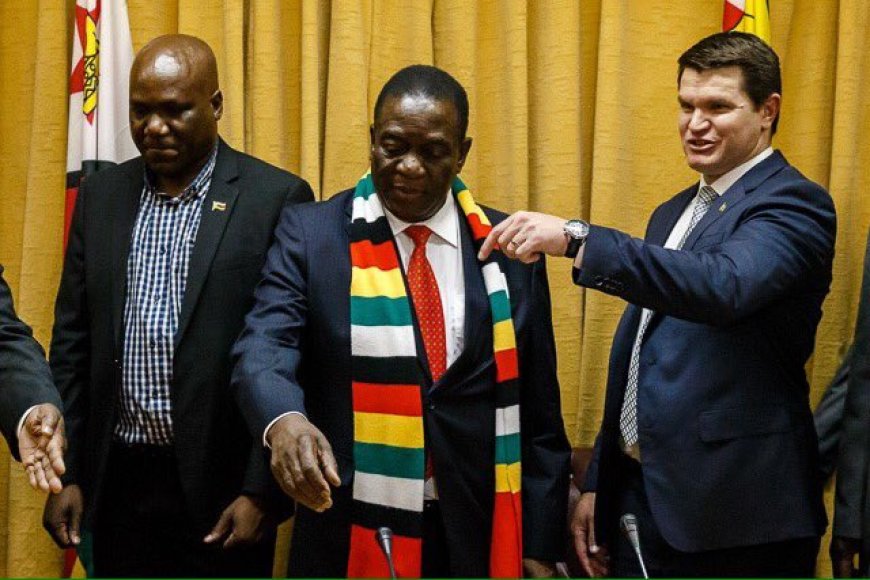 Zimbabwe President Emmerson Mnangagwa with Invictus Energy Managing Director Scott Macmillan
In December 2025, Invictus finalized a Petroleum Production Sharing Agreement (PPSA) with Harare, establishing a framework for revenue sharing and production rights.
The deal ensures the state receives a share of output while offering Invictus stability to attract investment.
Partnerships have been central to Invictus' strategy. Locally, it teams with One Gas Resources, a Zimbabwean firm holding the remaining 20% stake.
Off-take agreements include memorandums of understanding (MOUs) with Sable Chemicals for fertilizer production and Tatanga Energy for gas-to-power initiatives, updated in 2023.
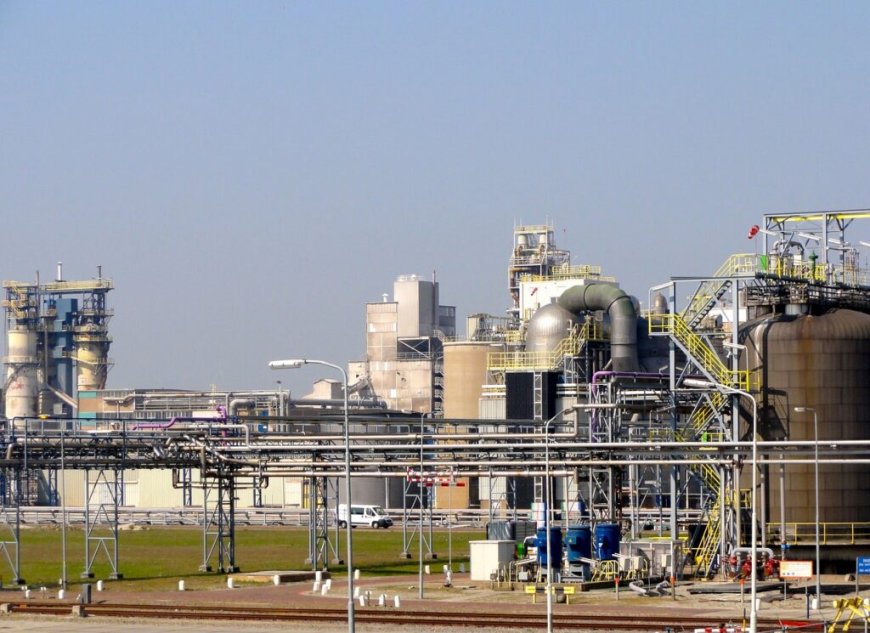 Kwekwe's Sable Chemicals Fertiliser Plant
A 2024 MOU targets supplying gas to the Eureka Gold Mine, enabling early monetization through a pilot power project.
Invictus also secured a strategic investment from Zimbabwe's sovereign wealth fund, Mutapa, in 2024.
A more transformative tie-up came in August 2025 with Qatar's Al Mansour Holdings (AMH), led by Sheikh Mansour bin Jabor bin Jassim Al Thani.
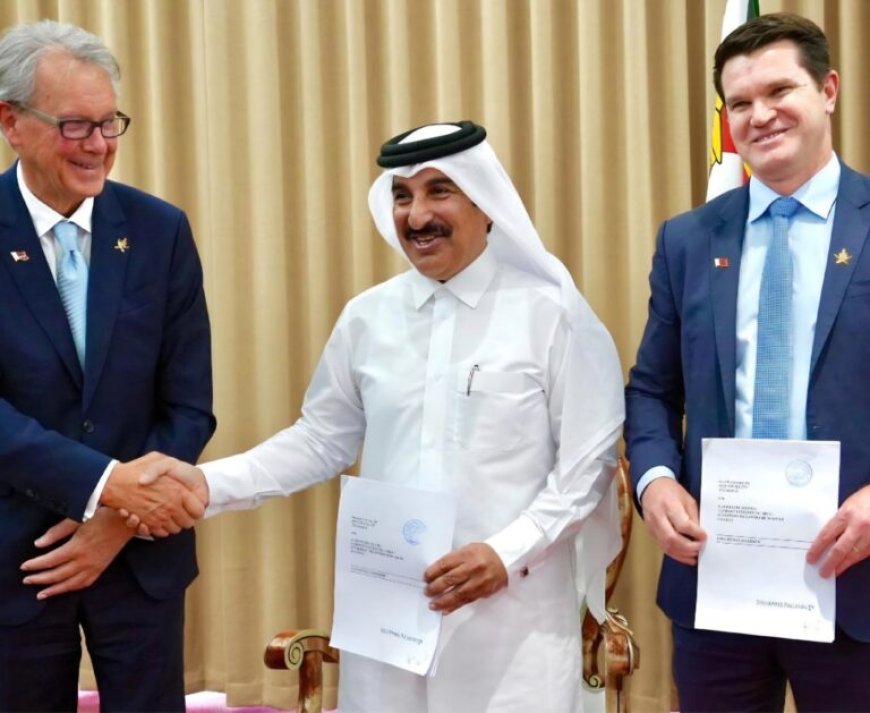 Sheick Mansour AI Thani (in white) and Invictus Energy then management partnership agreement
AMH agreed to acquire a 19.9% equity stake for Australian $37.8 million (US$26 million) and commit up to US$500 million for Cabora Bassa's development.
The deal also birthed Al Mansour Oil & Gas (AMOG), a joint venture eyeing upstream assets across Africa.
The partnership however collapsed on January 27, 2026, after Invictus terminated the agreement, citing AMH's proposed deal revisions as unacceptable and incompatible with Australian regulatory standards.
The fallout wiped nearly 58% off Invictus' share price, erasing about A$130 million (US$90 million) in market value.
Invictus said it is engaging alternative funders and industry partners to advance the project, emphasizing its focus on Cabora Bassa remains intact.
Invictus says the project's potential extends beyond energy. Early gas could power a 100 million cubic feet per day station, supporting mining and manufacturing.
Longer-term, it promises LPG, petrochemicals and fertilizers, positioning Zimbabwe as an energy hub amid regional shortages.
Leading global research, analytics and consultancy firm for data-driven insights for energy, renewables, metals and mining industries, Wood Mackenzie, ranked Mukuyu among Africa's top discoveries, highlighting its role in enhancing energy security for millions.
For Zimbabwe-Australia relations, Invictus' involvement strengthens growing economic ties. Invictus, as an ASX-listed firm, it channels Australian capital and expertise into Zimbabwe's resources sector, which has struggled with sanctions and investment hurdles.
The company relocated its headquarters to Harare in late 2025, signaling commitment and facilitating closer collaboration with local stakeholders.
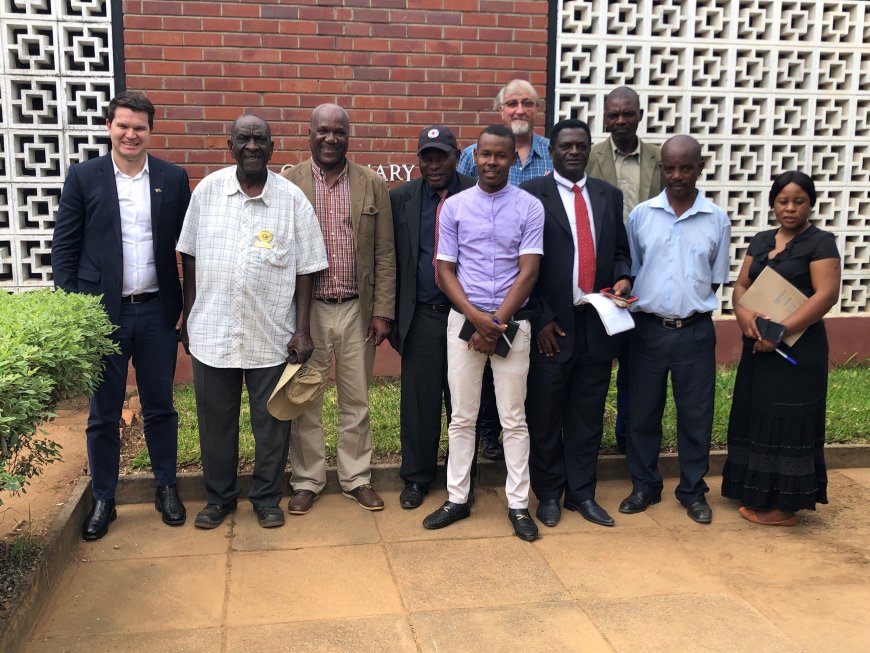 Invictus Energy Managing Director, Scott Macmillan (far left) with some Chiefs and local leaders from Muzarabani and Mbire Districts in Zimbabwe
Zimbabwean President Emmerson Mnangagwa has hailed the project as a "game changer" for energy independence.
Australian officials have not commented directly, but the venture aligns with Canberra's push for diversified trade in Africa, where Australian miners like Rio Tinto and BHP have long operated.
Invictus Managing Director Scott Macmillan said the Qatari deal's end was disappointing but not derailing.
"Our investment in Invictus reflects our long-term commitment to Africa's growth," he noted earlier, though the focus now shifts to new alliances.
Analysts say the project could strengthen bilateral relations by demonstrating Zimbabwe's openness to foreign investment, potentially encouraging more Australian firms in renewables and critical minerals.