Systemic Racism Rampant in Australian Universities, Study Reveals
A landmark Australian Human Rights Commission study reveals a systemic crisis of racism in Australian Universities, with 1 in 5 academic staff experiencing direct discrimination. The "Respect at Uni" report calls for urgent national reforms to fix broken complaints systems, diversify leadership, and dismantle colonial structures to ensure safety and belonging for First Nations, international students and minority staff.
 Harry Taruva
Sydney - A landmark national study has laid bare what advocates describe as a "systemic workplace crisis" across Australia’s higher education sector, revealing that nearly one in five academic staff members have experienced direct interpersonal racism and that trust in institutional complaint systems has effectively collapsed.
The "Respect at Uni" report released today, Tuesday February 17 by the Australian Human Rights Commission (AHRC), is the first comprehensive national investigation of its kind.
Drawing on a survey of over 76,000 students and staff, it paints a harrowing picture of institutions that, despite public commitments to diversity, remain rooted in colonial frameworks that continue to marginalize First Nations people and minority groups.
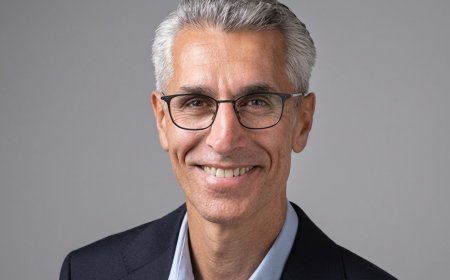
"We have an obligation to University staff and domestic and international students to ensure the promises we make about the benefits of University experiences are upheld," Race Discrimination Commissioner Giridharan Sivaraman said in the report’s foreword.
"Those promises are shattered when they are targeted by racism," he said.
A Workplace Crisis
The data reveals that racism is not confined to the fringes of campus life but is embedded in the professional environments of the nation’s top educators. The study shows that 19.1% of academic staff reported experiencing direct interpersonal racism within the last two years.
The National Tertiary Education Union (NTEU) highlighted that nearly half of these incidents involved university leadership.
"This report shines a harsh light on the racism that staff experience every single day," said NTEU President Dr. Alison Barnes.
"When University leadership is implicated in nearly half of those cases, we're seeing a systemic workplace crisis," she said.
 Dr. Alison Barnes
The professional toll is significant, with almost 50% of staff who experienced racism reported a negative impact on their careers. Specific findings include:
•Denied Promotion: 37% of African diaspora staff who experienced racism reported being unfairly denied a promotion they felt they deserved.
Mental Health: More than 80% of staff respondents who experienced direct racism reported a negative impact on their mental health.
•Dehumanizing Encounters: One staff member recounted a colleague refusing to take an item from them directly, instead picking it up with a tissue. "It’s degrading, de-humanising and I just swallow my pain and keep going because I need my job," the staffer told researchers.
"Fundamentally Broken" Complaints Systems
Perhaps the report’s most damning finding is the catastrophic" failure of the mechanisms designed to address these harms. Only 6% of students and 15% of academic staff who experienced direct racism chose to make a formal complaint.
The reasons for silence were consistent, with a paralyzing fear of consequences and a profound lack of confidence that reporting would lead to change. For those who did speak up, the experience often compounded the original trauma.
The study revealed that about 80% of academic staff and 68.9% of domestic students were dissatisfied with how their university handled their complaint.
Over 53% of those who complained said the process itself caused additional distress, while 82.2% said the process simply made no difference.
"I have not reported it because of potential ostracisation and fear of making ‘enemies’ in the workplace," a Muslim academic told the study.
Spikes in Antisemitism and Islamophobia
The study also tracked how global and national events, including the Voice to Parliament referendum and the Israel-Hamas war, triggered surges in vilification on campus.
The report found that 89.1% of Jewish respondents and 90.2% of Palestinian respondents reported experiencing some form of racism, direct or indirect, at university. Many students reported feeling the need to hide their religious or cultural identities for safety.
"I keep my head down and mouth shut... knowing I would be immediately ostracized if I make any attempt to combat the group-think," a Jewish staff member shared in the study.
The Path Forward
Despite the bleak findings, the AHRC identified 11 advanced Universities that have established standalone anti-racism strategies, providing a blueprint for the sector.
The report outlines 47 recommendations, centered on five key outcomes:
* National Framework: A consistent anti-racism framework for all universities aligned with the National Anti-Racism Framework.
* Safe Environments: Recognizing racism as a "psychosocial safety risk" that must be managed by university leadership.
* Accountability: Establishing independent oversight and "trusted, accessible" complaint systems.
* Inclusive Curriculum: Moving beyond "tokenistic" additions to meaningfully integrate diverse knowledge systems.
* Diverse Workforce: Setting targets to ensure university leadership reflects the diversity of the student population.
Commissioner Sivaraman urged the government to act immediately, noting that the report was delivered in the wake of heightened community tensions.
"We cannot wait any longer," the Commissioner said, adding, "this is an opportunity for Government and Universities to honor those voices, dismantle racism and create institutions where safety, belonging and respect are lived every day," he said.