ZETDC Rejects Subsidised Electricity Tariffs for Local Authorities Citing Insolvency Risks
The Ministry of Energy and Power Development has declined a request by Mkoba South MP Honourable Kuka to provide non-commercial electricity rates for local authorities. Deputy Minister Hon. Simbanegavi warned that providing subsidies would trigger operational insolvency for ZETDC and worsen national energy insecurity, though the government has proposed a 50 percent bill-sharing arrangement through the Ministry of Local Government.
 Delicious Mathuthu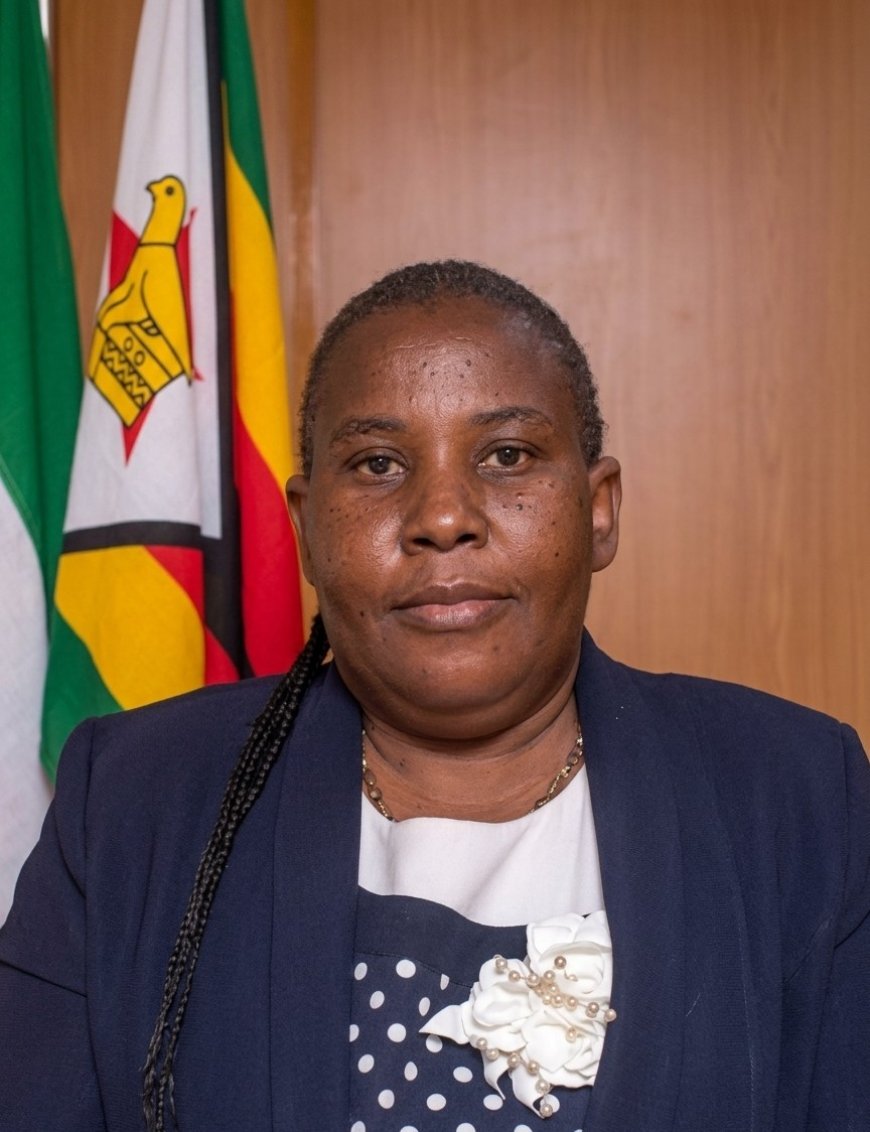
Harare - Government has ruled out the provisiom of electricity to local authorities at non-commercial rates, warning that such a move would compromise national energy security and plunge the country back into debilitating power cuts.
The Zimbabwe Electricity Transmission and Distribution Company (ZETDC) is currently owed millions of US dollars by local authorities, and any further reduction in tariffs would lead to operational insolvency, the ministry said.
The matter, brought to the National Assembly by Mkoba South Member of Parliament, Honourable John Kuka, who asked the Minister of Energy and Power Development government's plans regarding local authorities purchasing or paying bills at non-commercial rates during a Parliamentary session recently.
 Mkoba South MP, Honourable John Kuka.
Hon. Kuka noted that these organisations should be considered for such rates as they are non-profit making entities.
Responding to questions, Deputy Minister of Energy and Power Development, Honourable Simbanegavi, said the utility was still in a recovery phase after years of operating under non-cost-reflective tariffs.
"ZETDC does not have the financial capacity to charge local authorities tariffs that are below cost-reflective levels, as there is a need to cover the full cost of supplying energy," Hon Simbanegavi said.
She noted that the approved tariff methodology requires that charges be based on the actual cost of production for each customer category.
The Deputy Minister warned that forcing the utility to provide power below cost would strip ZETDC of much-needed liquidity and create a "moral hazard" by masking municipal failures.
"Furthermore, such a subsidy creates a moral hazard by masking municipal failures, effectively subsidising the massive energy waste associated with non-revenue water, where councils lose over 50 percent of the treated supply to preventable leaks," she said.
However, Hon Simbanegavi highlighted that the utility has extended an olive branch to local authorities through several cost-saving initiatives.
Among these is a utility-driven advanced net metering programme.
Under this scheme, councils provide land for the installation of solar plants at pumping stations in exchange for tariff incentives of up to 12 percent.
The ZETDC has also offered free demand-side management services and energy efficiency audits.
Research shows that if implemented, the measures could see councils saving up to 40 percent on their power bills.
To further ease the burden, a proposal is being considered for the Ministry of Local Government and Public Works to cushion councils by meeting 50 percent of their electricity costs, while the local authorities cover the remainder.
Despite these potential interventions, the Ministry maintained that ZETDC must continue to operate on a commercial basis to ensure it remains capacitated to deliver adequate power to the nation.