Mother’s Day: A Catalyst for Economic Autonomy and Community Connection
This Mother's Day, women are increasingly utilising social enterprises like Box Divvy to gain financial autonomy and combat rising food costs. By running local food hubs, mothers are finding flexible ways to earn income and foster community connections while providing affordable, healthy produce for their families.
 Harry Taruva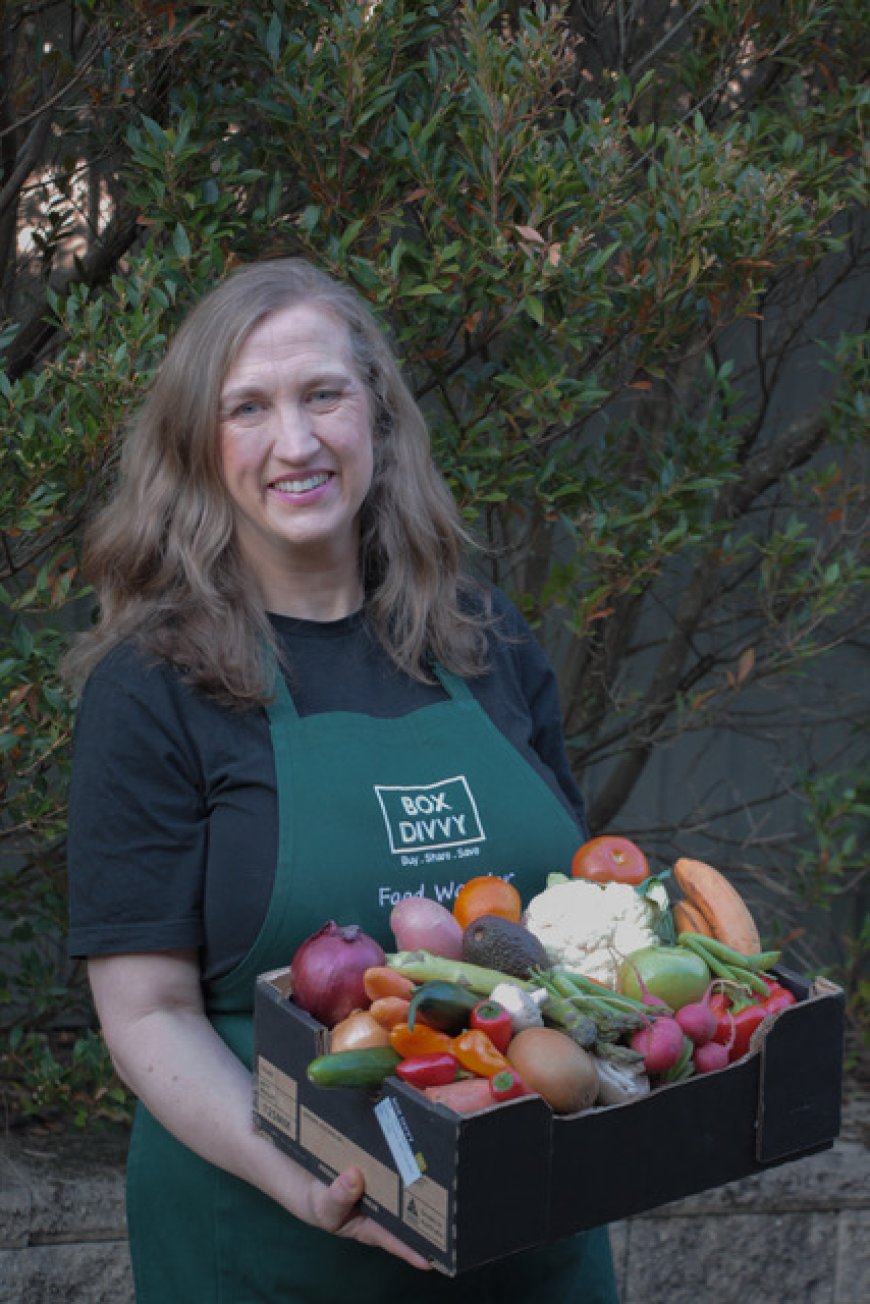
Sydney - As Mother’s Day approaches, a growing movement among Australian women is shifting the holiday’s focus from traditional gratitude toward a deeper discussion on economic autonomy and community integration.
With the rising cost of living making food one of the largest and least flexible household expenses, many mothers are turning to social enterprise models to reclaim control over their time and financial contributions.
Box Divvy, a social enterprise built around neighbourhood food hubs, has emerged as a key platform for women seeking to balance paid work with domestic responsibilities.
The model allows individuals to coordinate weekly grocery distributions from their homes, earning an income while accessing lower-cost produce for their own families.
This flexibility has proven particularly attractive to women managing small businesses, homeschooling or caregiving duties.
Young men in particular can eat you out of house and home! We want to make sure there is always good food there, but it is not always easy to keep that affordable.
"It works both ways. You are saving money on food, and you are earning something as well. That makes a real difference.”
For Lucy Barham, who manages a hub in the Blue Mountains, the transition was born out of necessity but evolved into a significant lifestyle change.
By sourcing 80% of her family's food through the network, she has managed to reduce costs while involving her children in the business operations.
This "shared activity" has turned the weekly distribution into a lesson in enterprise for her eldest son, illustrating a shift in how work and family life can coexist.
Jayne Travers-Drapes, Co-founder of Box Divvy, noted that the model’s growth is driven by a desire for something that belongs to the individual without detracting from family presence.
“We are really proud that many of our Hubsters are women who are looking for flexible ways to contribute financially while staying connected to their families and their communities. For some, it is extra income. For others, it is about having something of their own, while still being present for everything else. Often it is both," she said.
Beyond the financial benefits, the social dimension of these hubs provides a consistent point of community contact. In an era where cost-of-living pressures often lead to isolation, the "pick-up day" serves as a localized routine where neighbors connect.
The integration of work, care, and community suggests that the traditional separation of these domains is being replaced by more sustainable, adaptive models designed by women, on their own terms.