Kids Alive, Royal Life Saving WA Launch Free CPR Training Amid Rising Child Injuries
Kids Alive and Royal Life Saving Western Australia have relaunched the Heart Beat Club, offering free online CPR and first aid training for parents and carers throughout May 2026. The initiative addresses the rising rates of child injuries and drowning in Australia by providing essential skills for home emergencies.
 Harry Taruva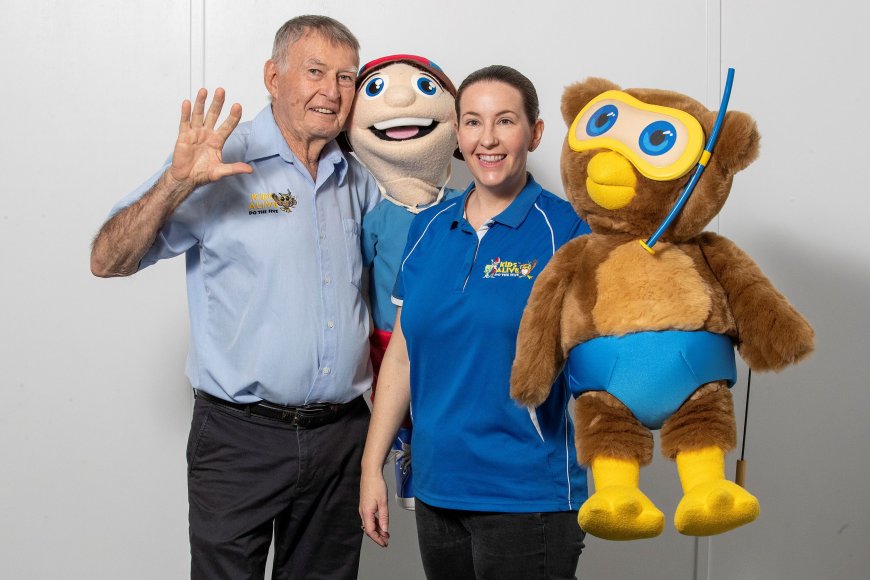
Perth - In response to a sharp rise in preventable child injuries and drowning fatalities, Kids Alive Do the Five and Royal Life Saving Western Australia (WA) have announced the 2026 relaunch of the Heart Beat Club.
The initiative provides free online first aid and Cardiopulmonary Resuscitation (CPR) education specifically tailored for parents and caregivers to ensure they are prepared to intervene during critical emergencies.
The urgency of the program is necessitated by recent data from the Australian Institute of Health and Welfare, which records nearly 89,000 hospitalisations and over 600,000 emergency department presentations annually due to child injuries.
Furthermore, the 2025 National Drowning Report revealed a 27% increase in drowning deaths over the 10-year average, marking the highest toll since 1996.
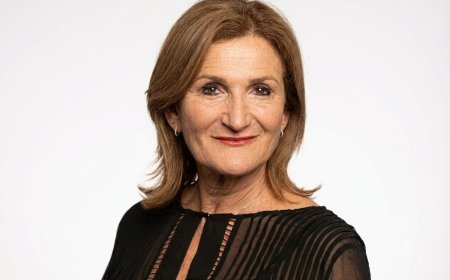
“The first few minutes of an emergency are everything,” said Laurie Lawrence, founder of Kids Alive.
“You can’t rely on help arriving instantly. Parents and carers are often the first on the scene and the Heart Beat Club is about giving them the confidence to step in and take action," she said.
The Heart Beat Club offers a comprehensive one-hour online module covering essential skills, including CPR and the treatment of choking, burns, scalds and bleeding.
The program aims to bridge the gap in public safety. Currently, only one in four Australians updates their first aid training annually.
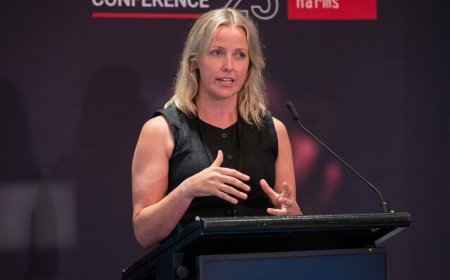
Lauren Nimmo, General Manager of Advocacy and Research at Royal Life Saving WA, noted that many caregivers are unprepared for emergencies occurring within the home.
"Bystander CPR can double a person’s chance of survival," Nimmo stated, adding that skills can begin to fade within three to six months without regular refreshers.
The effectiveness of such training is personified by Jacci Hutchinson, who successfully resuscitated an eight-month-old infant using CPR after finding the child submerged in water.
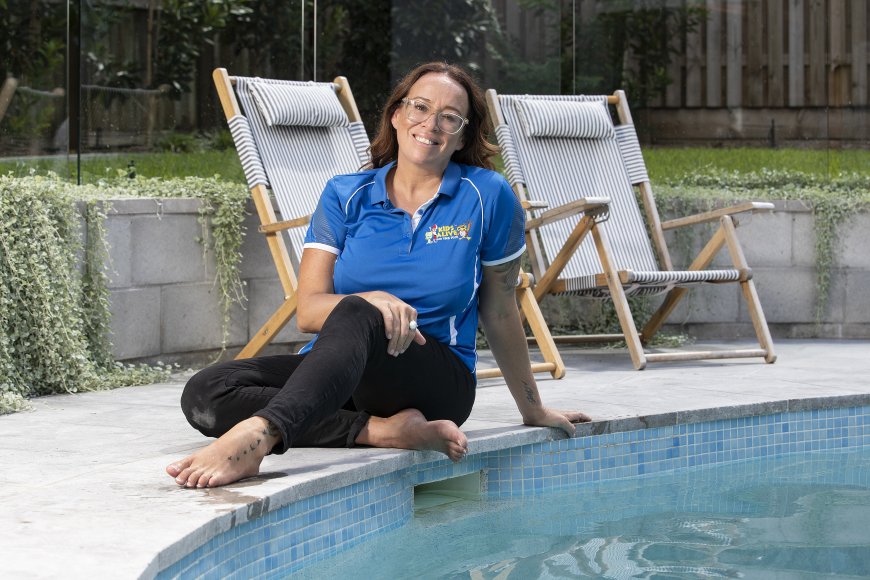 Jacci Hutchinson saved a baby's life with CPR and is urging all parents to learn the skills.
"The training kicked in," Hutchinson recalled. "He was blue and lifeless... then I saw his colour start to come back. I knew it was working."
In an effort to increase national readiness, free access to the Heart Beat Club online course is being made available throughout the month of May.
Organisers encourage all parents and carers to utilise the resource to refresh their knowledge and consider supplementary in-person training.