Chiwenga, Kandishaya Clash in Biblical Interpretations Over Leadership Tenure Debate
Vice President Constantino Chiwenga and ZANU-PF Youth League Deputy Commissar Taurai Kandishaya have delivered contrasting interpretations of the biblical story of King Hezekiah, sparking subtle tension over leadership continuity. Chiwenga, speaking in Murewa, cautioned that Hezekiah’s extended years brought “war and suffering,” warning against prolonging tenure. Kandishaya, however, emphasized Eliakim’s dependence on Hezekiah’s reign, urging prayers for the longevity of superiors as vital for institutional stability and personal survival. Though neither directly addressed the other, their divergent messages—delivered within days—reflect differing perspectives on leadership extension amid Zimbabwe’s constitutional reform debates.
 Dumisani Ndlovu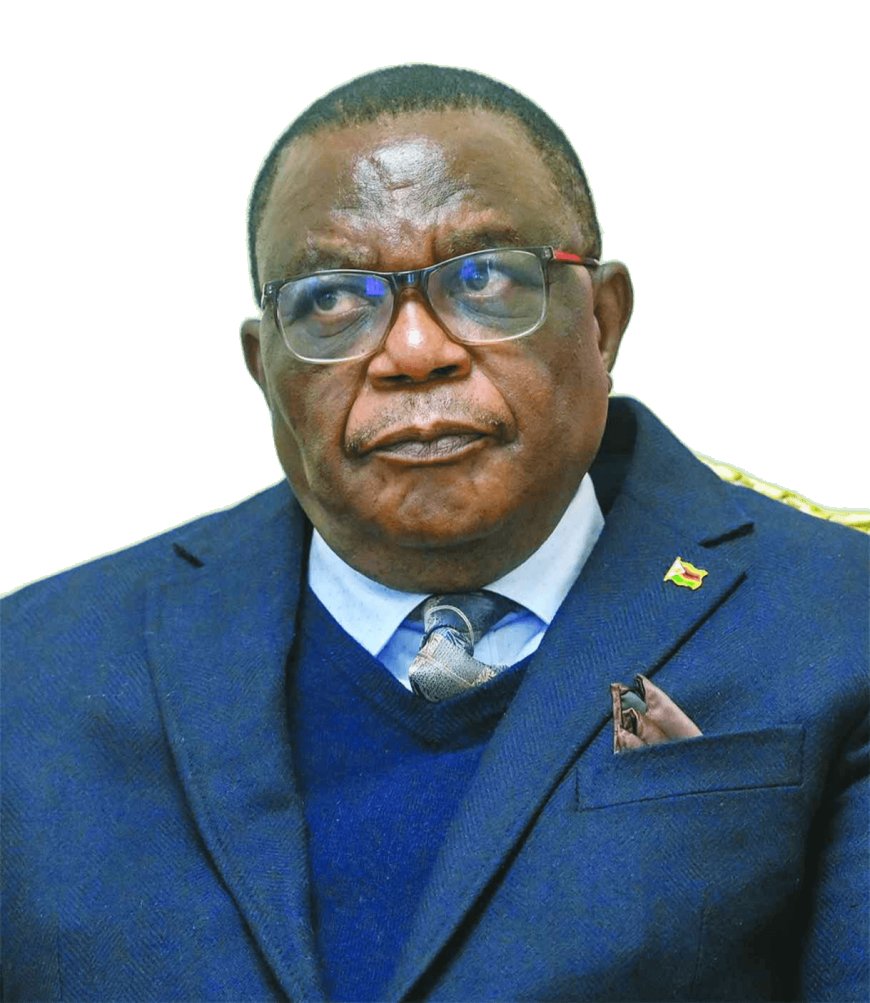
A subtle but telling exchange is unfolding between Vice President Constantino Chiwenga and ZANU-PF Youth League Deputy Commissar Taurai Kandishaya, with both men drawing on the biblical story of King Hezekiah to deliver indirect yet contrasting messages.
On Monday—two days after Chiwenga’s address—Kandishaya offered his own interpretation of the same narrative, shifting focus from King Hezekiah to his deputy, Eliakim. Referencing Isaiah 22:25, he said:
“Eliakim was only applicable under the anointing of Hezekiah. So it needed Eliakim to pray for more days of Hezekiah's reign for him to remain in office. After Hezekiah, there was no more Eliakim.”
He further added:
“Always pray for the long life of your superiors, parents, brothers, and spiritual fathers. Sometimes, if they leave, you will leave with them.”
While not directly naming Chiwenga, Kandishaya’s remarks appear to counter any caution against extending a leader’s tenure, instead framing such continuity as essential to institutional stability and personal political survival.
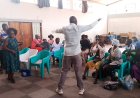
In contrast, speaking to a Roman Catholic congregation in Murewa on Saturday, Vice President Chiwenga drew on the same biblical account but emphasized a different lesson.
He stated:
“But then came the war of Nebuchadnezzar, and he wandered. Hezekiah got fifteen more years. But those years, the years that were added, brought war and suffering.”
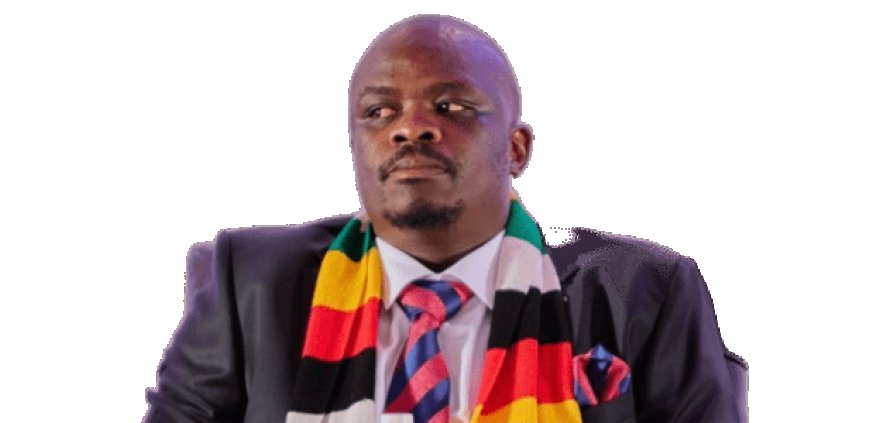
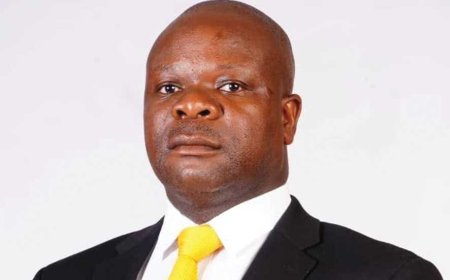
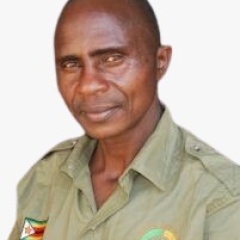
ZANU-PF Youth League Deputy Commissar Taurai Kandishaya
By highlighting these outcomes, Chiwenga appeared to caution against the pursuit of extended time in leadership, suggesting that prolonging tenure—whether politically or otherwise—may carry unintended risks.
The use of the same scriptural reference by both figures, yet with divergent interpretations, points to an underlying tension. While Chiwenga’s message underscores the potential costs of extending leadership, Kandishaya’s perspective emphasizes the dependency of subordinates on their superiors’ continued presence.
Set against the backdrop of ongoing discussions around constitutional reform and leadership tenure in Zimbabwe, the exchange—though not explicitly political—has drawn attention for its timing and nuance. Framed through biblical teaching, the remarks reflect differing viewpoints on leadership continuity and its broader implications, without either party directly addressing the other.