Zimbabwe Diaspora Vote Initiative Rejects 2030 Term Extension
The Zimbabwe Diaspora Vote Initiative (ZDVI) demands a national referendum on proposed 2030 term extensions, insisting on voting rights for millions abroad.
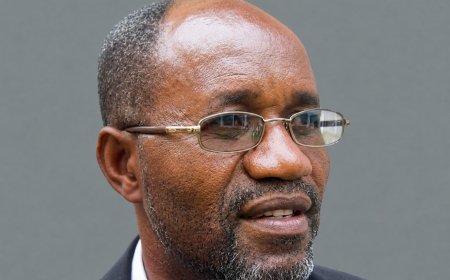
 Harry Taruva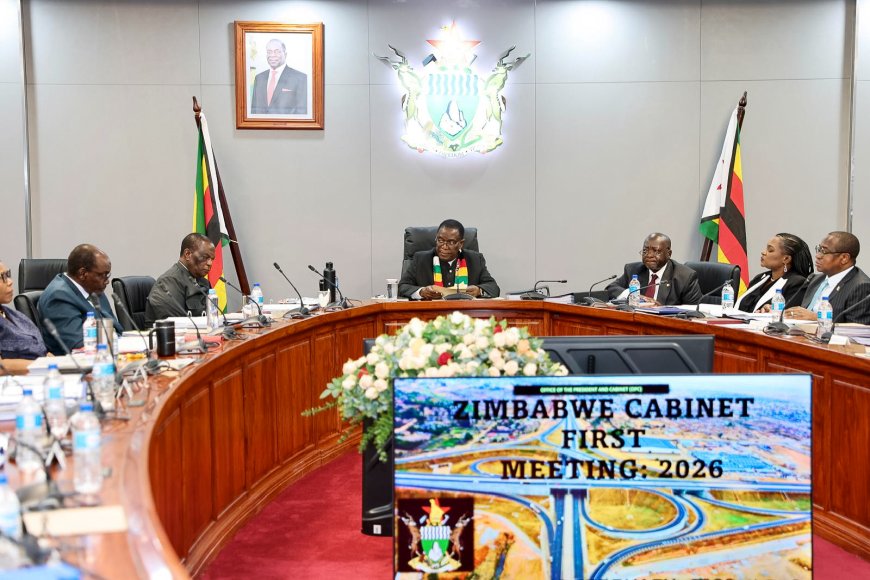
Harare, Zimbabwe - The Zimbabwe Diaspora Vote Initiative (ZDVI) advocacy group has challenged the Zimbabwean government’s move to extend Presidential and Parliamentary terms, demanding that any such constitutional changes be put to a national referendum that includes millions of citizens living abroad.
The Zimbabwe Diaspora Vote Initiative (ZDVI) issued a media release on Wednesday, February 18, following reports that Zimbabwe's Cabinet had accepted proposals from the ruling Zanu PF party to extend existing five-year terms to seven years, a move that could keep 83-year-old President Emmerson Mnangagwa in power until 2030.
The advocacy group, led its Secretary for Information and Publicity, Padmore Kufa, warned the government against selective listening, urging the Cabinet to respect the voices of all Zimbabweans, not just those within the ruling party.
"We acknowledge that Cabinet accepted the views of members of the ruling party, Zanu PF, regarding the extension of Presidential and Parliamentary terms to 2030," the group stated.
"We trust that cabinet will equally listen to the citizens outside Zanu PF who oppose increasing the existing five-year term limits for the President, Parliament and local authorities to seven years," they said.
Central to the group’s demand is the insistence that a national referendum is a constitutional requirement for changes of this magnitude.
Under Sections 328(5) and 328(8) of the Zimbabwe Constitution, amendments that alter entrenched democratic safeguards must be subjected to a public vote.
ZDVI argues that the millions of Zimbabweans living in the diaspora, whose remittances are a cornerstone of the national economy, cannot be excluded from this pivotal decision.
"Critically, the Diaspora Vote Initiative maintains that citizens living abroad must also be allowed participate in this referendum," the statement read.
"Zimbabwean Embassies and consulates worldwide can serve as electoral centres, enabling millions of citizens living abroad to exercise their constitutional rights to shape how their country is governed," they said.
The group cited Section 67 of the Constitution, which they described as unambiguous in granting every citizen over the age of 18 the right to vote in all elections and referendums.
The ZDVI also highlighted a critical legal trap in the 2013 Constitution intended to prevent leaders from extending their own time in office.
Section 328(7) explicitly states that any amendment to a term-limit provision cannot benefit the person who held that office at any time before the amendment.
"We emphasise 2028 elections because even if the proposed constitutional amendments pass following a referendum, amendments that alter term limits should not benefit current officeholders.
"Section 328(7) of the constitution explicitly states that... an amendment to a term-limit provision... does not apply in relation to any person who held or occupied that office... at any time before the amendment," the initiative said.
The statement expressed deep frustration over what it described as the government’s expeditious embrace of term extensions while failing to advance voting rights for citizens abroad.
The group reminded the public of a 2018 pledge made by President Mnangagwa in the United States to ensure diaspora participation, as well as a 2019 research initiative into diaspora voting that ZDVI claims has been abandoned without explanation.
The call for reform comes as the government faces increasing pressure from both civil society and war veterans, who recently mounted their own court challenge against the 2030 agenda, labeling the proposed changes a unilateral alteration of the democratic tenure framework.
ZDVI is now urging the Cabinet to present amendments to the Electoral Act to enable diaspora voting by the 2028 elections, calling for "fairness, professionalism, [and] transparency" in the nation’s electoral process.