Govt Contractor 'Shine On' Force Workers Clean Sewage With Bare Hands
Bare hands in toilet bowls, no gloves, no detergent, just water, desperation and disease. Investigation has exposed disturbing allegations of worker exploitation at Shine On, a Midlands-based cleaning contractor holding lucrative government tenders. Employees, including elderly staff, say they are forced to scrub toilets and sanitation facilities with bare hands, no gloves, no detergents and only cold water, leaving them vulnerable to infection and disease.
 Dumisani Ndlovu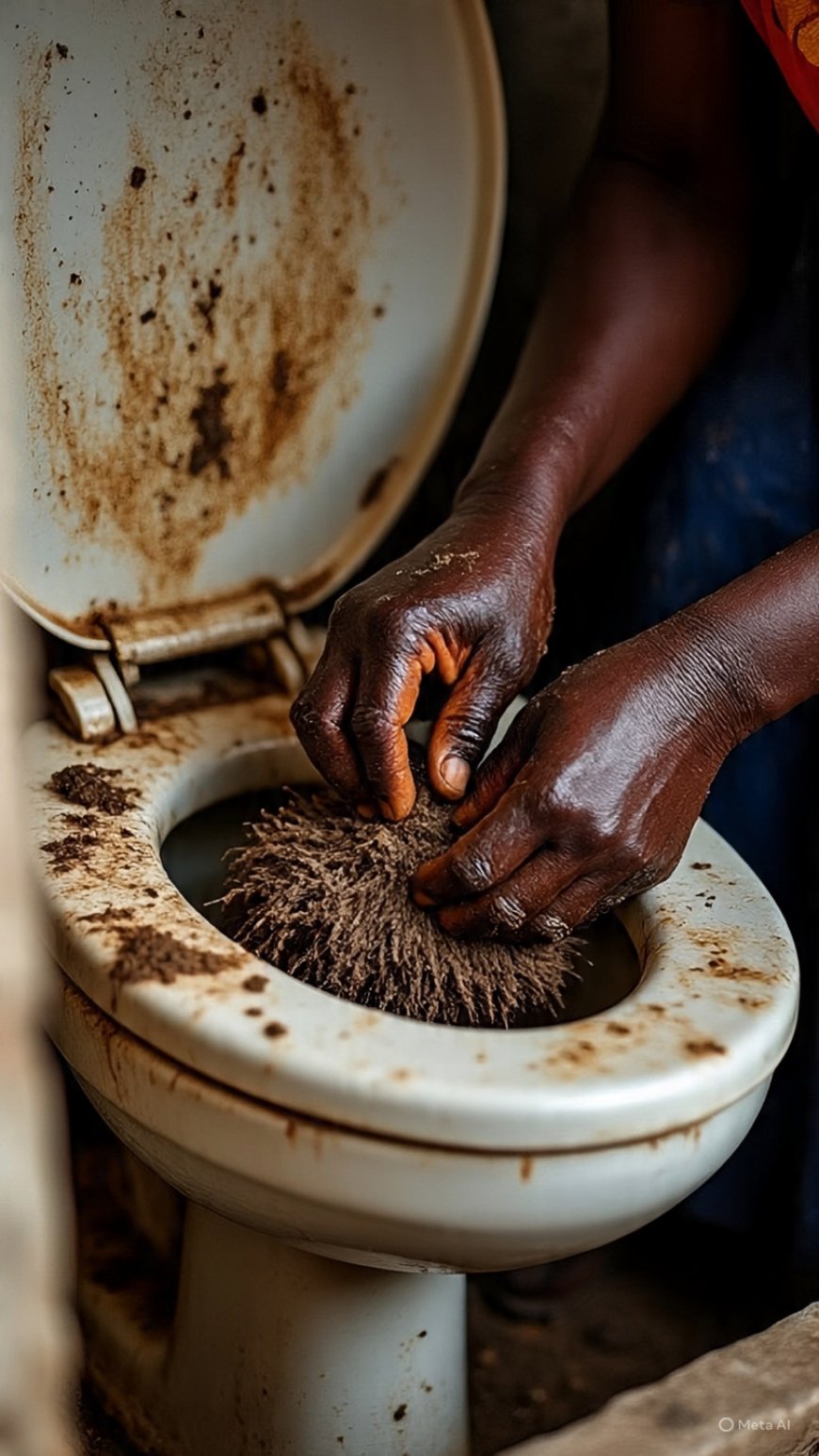
Gweru - Bare hands in toilet bowls. No gloves. No detergent. Just water, desperation and disease.
That is the daily reality described by workers at Shine On, a Midlands-based cleaning contractor pocketing lucrative government tenders to sanitise public offices across the province, while allegedly leaving its own staff exposed to infection, poverty wages and systemic neglect.
A Kwedu News investigation has uncovered explosive allegations of worker exploitation at the firm, with employees, some elderly, saying they are forced to scrub toilets and sanitation facilities without basic protective equipment, in breach of occupational health and safety standards.
“We clean human waste with our bare hands,” said one worker, who asked not to be named for fear of reprisals.
“There are no gloves. No detergents. Just a bucket of cold water. Every day we pray we don’t get sick. But sickness finds us anyway.”
Inside Shine On’s ranks, a grim picture emerges, that of years of unchanged conditions, suppressed complaints and a workforce trapped between illness and unemployment.
“You just keep working because you have no option,” said another employee, a woman in her late 60s.
“But deep down, you know it’s wrong. Your body knows it’s wrong. Your children at home know it’s wrong,” she said.
Workers allege that elderly staff are not spared the most hazardous duties. Instead, age and vulnerability have made them easier targets for grueling shifts in unhygienic conditions, with no medical cover or protective clothing.
The accusations strike at the heart of Zimbabwe’s outsourced public services model. Shine On holds long-term state contracts to clean government buildings, including offices used by civil servants, the public and health officials.
The staff say the company prioritises contract delivery over worker welfare, cutting corners on safety to protect margins.
On paper, Shine On markets itself as a provider of “comprehensive sanitisation,” “deep cleaning” and “specialised services” for corporate and government environments.
On the ground, Shine On’s staff describe a brutal contradiction.
Elderly workers, some in their 60s, say they unblock drains and clean ablution blocks without masks, boots or disinfectants, basic requirements under Zimbabwe’s Occupational Safety and Health regulations.
“You’re cleaning government toilets for the state,” said a 63-year-old cleaner, “then you get paid in ZIG that no shop wants. You lose value twice, in your health and again in your pocket.”
Salaries at the firm are described by some as “poverty wages”, often delayed and insufficient to cover food, rent or medical care.
“We’re paid in ZIG, maybe the equivalent of US$100,” said one of the employees, displaying hands raw from years of scrubbing. “But banks don’t change ZIG to USD so we go to the black market.
"By the time you buy bread, half your salary is gone. Then you come back here to clean toilets with no protection,” she said.
The introduction of ZIG has left many workers trapped. While officially pegged, employees say banks refuse to convert ZIG earnings to USD, forcing them into parallel markets where rates erode their pay by up to 40% before they buy basics.
“We’re sanitising government offices but we can’t sanitise our own lives. We’re paid in money that dies before it reaches home, another said.
The wage crisis compounds the health hazard. Without gloves or detergents, staff are exposed to hepatitis, cholera and skin infections daily.
With ZIG earnings that shrink on the black market, they said they can’t afford treatment when they fall ill.
“You finish a month of cleaning disease from other people’s offices and you still can’t afford soap for your own home. How do you explain that to your grandchildren?” Another Shine On worker said.
Efforts by Kwedu News to obtain comment from Shine On management were met with resistance and an overtly confrontational response.
When approached for clarification on the allegations, Shine On Senior Manager, Tawanda Chiredzi, declined to comment.
Instead, he reacted dismissively.
“Write whatever you were told," he said.
The interaction escalated further as Chiredzi threatened to manhandle this journalist, moving towards him in an intimidating manner, before retreating.
The revelations place fresh pressure on the Ministry of Public Service, Labour and Social Welfare and on procurement authorities responsible for vetting government contractors.
Under Zimbabwe’s Labour Act and Occupational Safety and Health regulations, employers must provide protective clothing and a safe working environment. Failure to do so can trigger penalties, contract termination, or criminal liability.
Kwedu News submitted written questions to Shine On Cleaning Services and the Ministry of Public Service, Labour and Social Welfare. No responses were received yet at the time of publication.