CAB3 Hearings Political Firestorm: ZHRC Flags Abuses, Opposition Boycotts, ZANU PF Remains Adamant
Zimbabwe’s Constitutional Amendment Bill No. 3 (CAB3) has ignited a fierce political firestorm with the Zimbabwe Human Rights Commission warning of intimidation and exclusion, opposition leaders brand the hearings a “circus,” and ruling party ZANU PF insists the reforms are lawful, stabilising and widely supported.
 Dumisani Ndlovu
Harare - Zimbabwe’s highly contested Constitutional Amendment Bill No. 3 (CAB3) has plunged into a full-scale political confrontation, with the Zimbabwe Human Rights Commission (ZHRC) warning of rights violations, opposition leaders branding the process a “circus,” and the ruling ZANU PF insisting the reforms are lawful, necessary and widely supported.
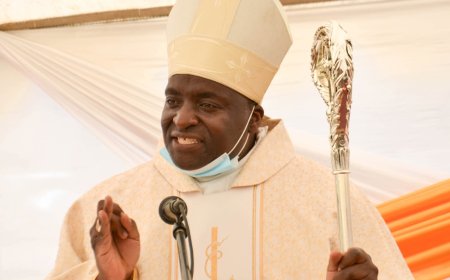
The ZHRC, chaired by Jessie Majome, said its nationwide monitoring of public hearings between March 30 and April 4 revealed a pattern of exclusion, intimidation and, in some cases, violence.
Majome said the process failed to meet constitutional standards and Zimbabwe’s obligations under the International Covenant on Civil and Political Rights (ICCPR), particularly on participation, equality and freedom of expression.
“Individuals and groups opposed to CAB3 were denied an audience,” she said, citing restricted venues, controlled entry points and harassment of dissenting voices.
The commission’s findings have reinforced a hardening opposition stance.
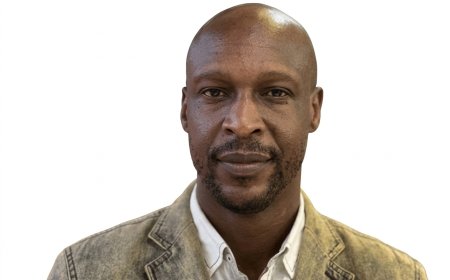
Senior opposition leader and lawyer, Tendai Biti, launched a scathing attack on the hearings, declaring they had degenerated into “ZANU PF rallies” designed to manufacture consent.
“This is not a consultative process, it is a circus,” Biti said, describing the outreach meetings as “chaotic and shambolic” gatherings driven by coercion rather than genuine citizen engagement.
Biti, alongside Jameson Timba and Lovemore Madhuku, announced a boycott of the hearings, accusing authorities of orchestrating a process that systematically excludes dissenting voices.
Opposition figures allege that ruling party supporters were mobilised and “packed” into venues, sometimes violently, to drown out opposing views, while critics attempting to engage communities faced arrests and intimidation.
Biti and other activists claim they were targeted during “meet the people” campaigns opposing the Bill, describing the response as “state-sponsored repression.”
The boycott follows violent and chaotic scenes at the City Sports Centre in Harare, where proceedings were disrupted, forcing an early shutdown.
Human rights lawyer Douglas Coltart was reportedly assaulted and had his mobile phone stolen, while journalists were allegedly harassed and pressured to delete footage.
Civil society groups say the pattern points to a broader strategy to create a façade of public endorsement for what critics describe as a “deeply unpopular” Bill.
At the centre of the dispute is a controversial proposal within CAB3 that opponents say would extend President Emmerson Mnangagwa’s term to 2030, effectively cancelling the 2028 election, an allegation government officials frame differently as part of broader electoral cycle reforms.
Despite the backlash, ZANU PF has doubled down, dismissing criticism as politically motivated and insisting the process reflects overwhelming public support.
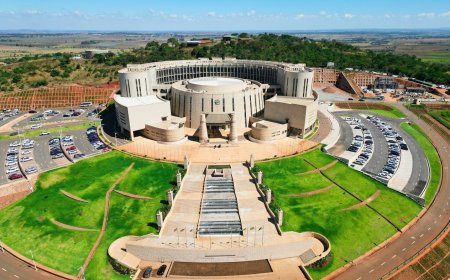
Justice Minister, Ziyambi Ziyambi, outlined a structured legislative roadmap, maintaining that consultations will be compiled into a report before the Bill proceeds to Parliament.
“There will be no referendum because the Bill does not touch entrenched provisions,” Ziyambi said, emphasising that the process complies with constitutional requirements.
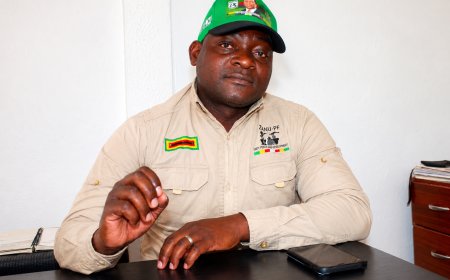
ZANU PF Director of Information, Farai Marapira, said the reforms are designed to resolve recurring issues such as disputed elections, governance inefficiencies and a perpetual election cycle that has fuelled instability.
“The reform is about stability, national cohesion and creating a governance framework capable of driving development,” Marapira said.
Party-aligned voices argue that the current Constitution has created governance constraints and that CAB3 is a necessary recalibration to strengthen the State and support Zimbabwe’s Vision 2030 development agenda.They also reject claims of systemic violence, describing reported incidents as isolated or, in some cases, deliberately provoked.
The Amalgamated Rural Teachers Union of Zimbabwe (ARTUZ) has joined the boycott, describing the hearings as a theatre of coercion, fear and repression, further intensifying scrutiny of the process.
With the ZHRC raising constitutional concerns, opposition forces disengaging, and the ruling party pushing ahead, the credibility of the CAB3 consultation process now hangs in the balance.