Churches Step Into Constitutional Debate as Musindo Rallies Pastors in Gweru
On March 27, 2026, nearly 200 pastors gathered at the Presbyterian Church in Gweru to discuss Zimbabwe’s Constitutional Amendment Bill No. 3. Organized by Obediah Musindo of the Destiny of Afrika Network, the meeting marked a turning point as the Church stepped into political discourse. Speakers emphasized continuity in national development and recovery, aligning with calls for sustained leadership under President Mnangagwa. While faith leaders framed their role as stakeholders in shaping the country’s future, legal experts and civil society cautioned against the risks of constitutional changes and blurred lines between faith and politics. The debate has now moved beyond Parliament — into pulpits and communities.
 Dumisani Ndlovu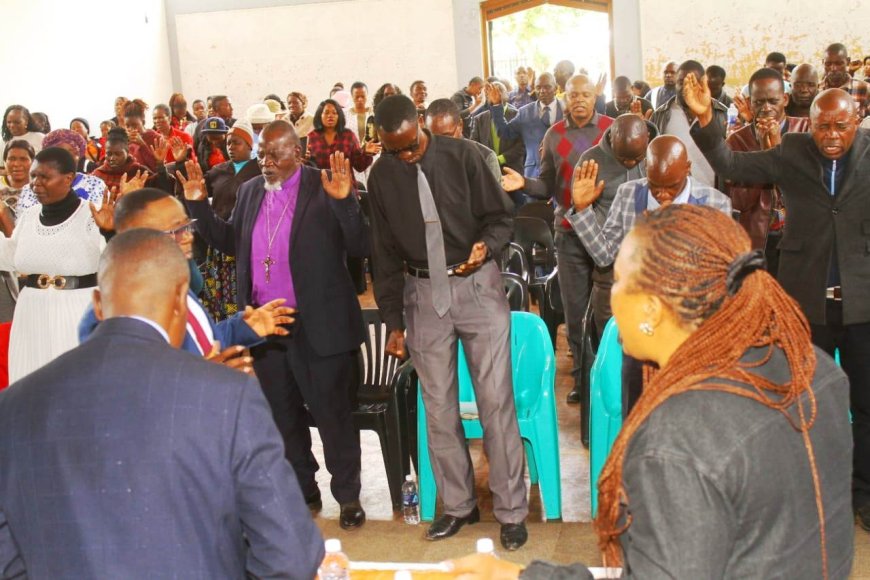
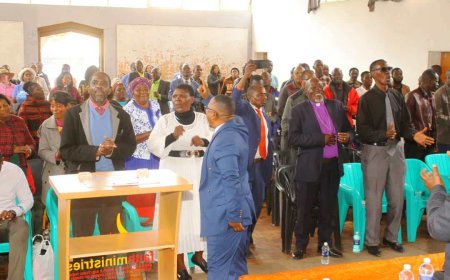
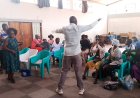
GWERU — The pulpit of the Presbyterian Church Gweru, on Friday the 27th of March 2026 were filled, but this was no ordinary gathering.
Close to 200 pastors sat in quiet attention, not for a sermon, but for a conversation that has increasingly gripped the nation — Constitutional Amendment Bill No. 3.
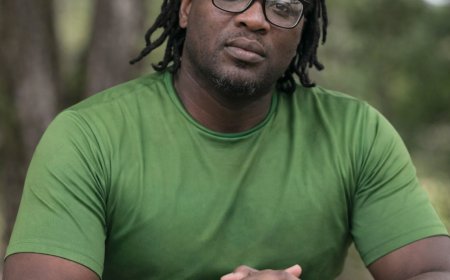
Convened by Obediah Musindo, founder and president of the Destiny of Afrika Network (DANET), the meeting signalled a decisive shift: the Church is no longer watching from the sidelines.
It is stepping in.
Addressing the gathering, Apostle Dr Robert Mushanga framed the amendment as a matter of continuity, arguing that Zimbabwe is in the middle of unfinished national business.
Development projects remain in progress. Economic recovery is still fragile. Institutional reforms are yet to fully mature.
Then came the disruption — the COVID-19 pandemic — which, in the view of many gathered, stalled momentum and erased valuable time.
“What we are defending is continuity,” Mushanga said. “Progress already made must be protected.”
The message resonated across the room — measured, deliberate, and firmly aligned with calls for sustained leadership under President Emmerson Mnangagwa.
The Gweru meeting reflects a growing convergence between faith and governance.
For years, Zimbabwe’s churches have oscillated between quiet diplomacy and moral critique. But this moment signals something more assertive — a willingness by sections of the Church to openly shape political discourse.
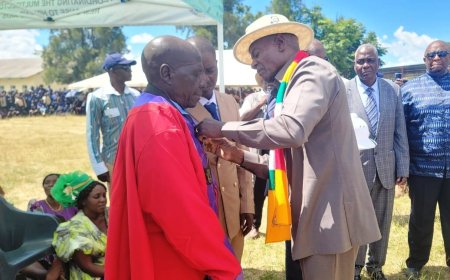
Beyond the pulpit, he has built influence through community initiatives, particularly housing projects targeting low-income earners — efforts that have positioned faith-based actors not just as spiritual leaders, but as development partners.
It is this dual role that gives the Church’s voice weight.
When pastors speak, their message travels — from pulpits into communities, and from communities into the national conversation.
Yet outside church circles, the debate is far from settled.
Legal experts and civil society actors warn that constitutional amendments must be approached with caution, particularly where they intersect with governance structures and executive authority.
Concerns persist over precedent, process, and principle.
“The Constitution is designed to endure beyond political cycles,” said one Harare-based analyst. “Any changes must be carefully scrutinised.”
There are also lingering questions about the Church’s role itself — whether taking clear positions on politically sensitive issues strengthens national dialogue or risks blurring the line between faith and politics.
What is unfolding is a shift in where — and by whom — constitutional questions are being contested.
From courtrooms to churches.
From legal briefs to pulpits.
In Gweru, the message from the pastors was unambiguous: they see themselves as stakeholders in the country’s future, not spectators.
Whether that marks a necessary intervention or a controversial alignment will depend on where one stands.
But one thing is certain:
The debate over Constitutional Amendment Bill No. 3 is no longer confined to Parliament.
It is set to be preached.