Final ‘Sacred’ Zimbabwe Bird Returns Home From South Africa
South Africa has officially returned the final Zimbabwe Soapstone Bird, Chapungu, and ancestral remains to Zimbabwe in a historic ceremony at the Iziko Museum.
 Delicious Mathuthu
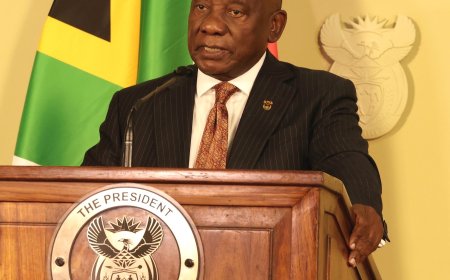
Cape Town - In a ceremony of profound historical and diplomatic weight, the last of the eight iconic Zimbabwe Soapstone Birds, known as Chapungu, was officially handed over yesterday to the people of Zimbabwe.
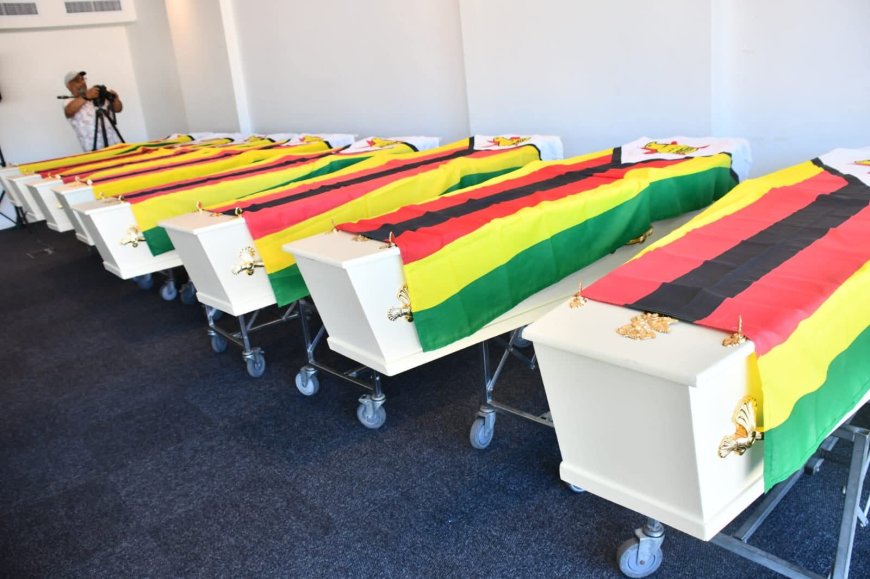
The event, held on 14 April at the Iziko South African Museum, also saw the repatriation of ancestral human remains, marking the end of nearly 140 years of exile for the artifact.
The repatriation follows a direct mandate from President Cyril Ramaphosa, ensuring the sacred sculpture returns to its origins ahead of Zimbabwe’s Independence Day celebrations.
Carved centuries ago from single blocks of stone at the ancient city of Great Zimbabwe, these birds served as the spiritual guardians of a civilisation that flourished between the 11th and 15th centuries.
"I have always believed that the soul of a nation lives in its heritage," stated Gayton McKenzie, South Africa’s Minister of Sport, Arts and Culture, during the handover.
The history of the "Chapungu" bird is inextricably linked to the colonial era.
In the late 19th century, it was removed from Great Zimbabwe and sold to the imperialist Cecil John Rhodes.
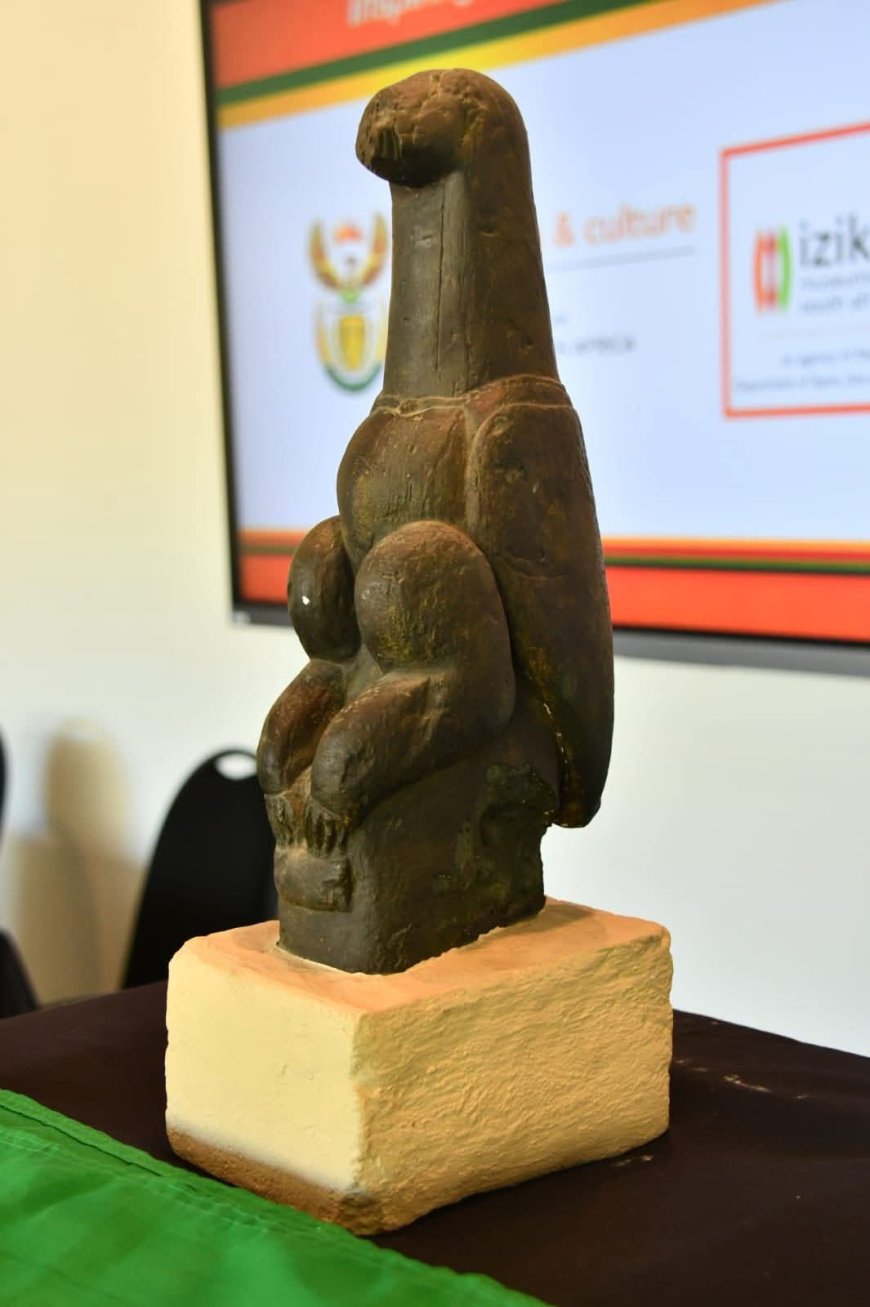 The Zimbabwe bird statue
While several other birds were returned following Zimbabwe’s independence in 1980, the current statue, arguably the most significant of the eight, remained in South Africa until now.
"When something sacred is taken from a people, a part of their story is taken with it," Minister McKenzie remarked.
The bird is a primary emblem of national identity, featuring prominently on both the national flag and the coat of arms.
"Returning these treasures is about restoring that story, restoring pride, and restoring dignity," the Minister said.
The ceremony also addressed the sensitive repatriation of ancestral remains, a gesture aimed at healing the wounds left by colonial-era plunder.
The South African government has framed the handover as a reaffirmation of its commitment to cultural justice and pan-African cooperation.