South Africa Faces Renewed Xenophobic Attacks and Anti-Foreigner Protests
Ongoing protests and violence against foreign nationals in South Africa, led by groups like Operation Dudula and March and March, have sparked government crackdown promises and international condemnation amid economic frustrations and election pressures.
 Delicious Mathuthu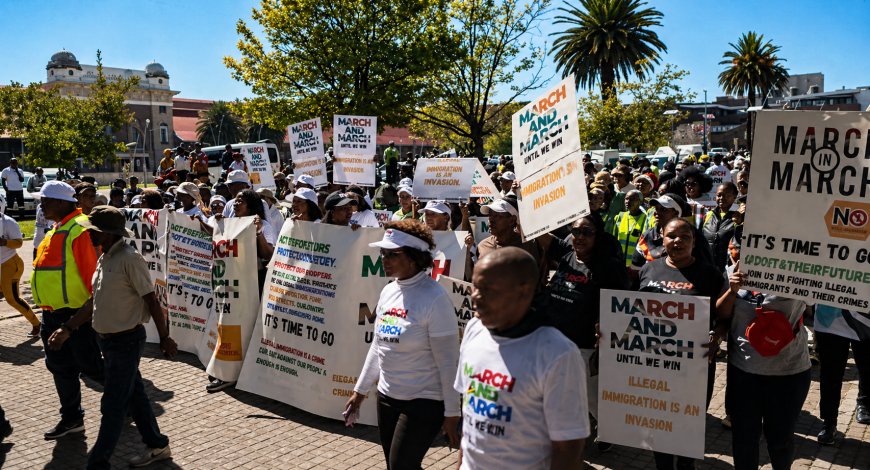
Johannesburg - Tensions over immigration in South Africa have escalated in recent weeks, with anti-foreigner protests and sporadic attacks targeting African migrants in major cities, prompting government promises of a crackdown and international concern from African nations and the United Nations.
Groups including March and March and the vigilante-style movement Operation Dudula have organised marches and so-called clean-up campaigns in Pretoria, Johannesburg, Durban and parts of KwaZulu-Natal, demanding the mass deportation of undocumented foreign nationals and tougher enforcement of immigration laws.
Protesters accuse foreigners of taking jobs from South Africans, straining public services such as schools and hospitals, and contributing to crime amid the country's high unemployment and economic woes.
In Pretoria earlier this week, more than 300 people marched towards the Union Buildings, the seat of government, waving placards and chanting against irregular migration.
Similar actions in Durban's central business district saw foreign-owned shops close amid fears of violence, with some participants reportedly confronting migrants and handing them over to police.
A planned nationwide shutdown on May 4 has been discussed by some campaigners to press their demands.
Incidents of harassment and violence have accompanied the protests. Videos circulating on social media show South Africans confronting foreign nationals, including a Ghanaian man in KwaZulu-Natal who was told to "fix his country" and leave.
Reports have emerged of attacks leading to injuries and at least two Nigerian deaths in recent violence, alongside intimidation at schools and businesses.
Some foreign nationals have been warned to stay indoors, with diplomatic missions from countries like Ghana advising heightened vigilance.
The groups involved frame their actions as a defence of South African citizens rather than xenophobia.
"We are not xenophobic. We accept Africans of all colours," one protester associated with March and March told local media during the Pretoria march, adding that the goal was to "reclaim our country" by addressing illegal immigration.
Operation Dudula has previously targeted foreign-owned businesses and blocked access to public clinics and schools, demanding proof of legal status.
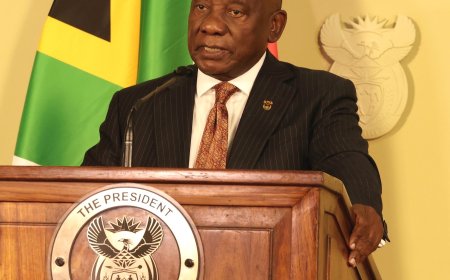
President Cyril Ramaphosa has repeatedly condemned the violence. In his Freedom Day address on April 27, marking the anniversary of South Africa's first democratic elections, he warned against allowing frustrations to breed prejudices and hatred towards fellow Africans.
He reminded South Africans of the support provided by other African nations during the anti-apartheid struggle.
"We extend hospitality to people who are guests in our country, with the expectation that they honour our generosity with respect for our society and its laws," Ramaphosa said, while pledging that the government was actively addressing illegal migration and corruption in the immigration system.
South African authorities have vowed decisive action following diplomatic protests from Ghana over videos of attacks on its nationals.
The South African Police Ministry stated that all those found participating in or inciting xenophobic acts would be identified, apprehended and brought before the courts.
Foreign Affairs Minister, Ronald Lamola, declared that acts of lawlessness, intimidation and violence against migrant communities have no place in a constitutional democracy.
He described such violence as a threat to the constitutional order and called on community leaders and civil society to promote dialogue and prevent further incidents.
The government has also highlighted efforts to enforce immigration laws and prioritise South Africans in employment and services. Critics, however, including human rights groups and the African Commission on Human and Peoples' Rights, say inconsistent enforcement and political rhetoric have allowed vigilante actions to persist.
The Commission deplored the "xenophobic attacks and vigilante conduct," noting a long pattern of such violence dating back years, including major outbreaks in 2008 and 2015.
It also stressed that immigration enforcement is the sole responsibility of the state.
United Nations Secretary-General, António Guterres, expressed concern over reports of the reported xenophobic attacks and acts of harassment and intimidation, stating that "violence, vigilantism and all forms of incitement to hatred have no place in an inclusive, democratic society."
Foreign nationals, many from other African countries, play significant roles in South Africa's informal economy, running shops and providing services in townships.
Migrant rights advocates say they are being scapegoated for deep-rooted problems including unemployment above 30 percent, failing infrastructure and high crime rates.
While some South Africans voice legitimate grievances over competition for scarce resources, rights groups warn that the rhetoric risks spiralling into broader ethnic targeting.
With local government elections approaching later in 2026, some note that anti-immigrant sentiment has featured in political discourse, with some parties and candidates amplifying calls for stricter border controls.
Police have in the past deployed rubber bullets and teargas to disperse unruly protests and arrests have been made, though convictions for xenophobic violence have historically been limited.
South African officials have urged calm, emphasising that while illegal immigration must be tackled, it should not descend into lawlessness or hatred.