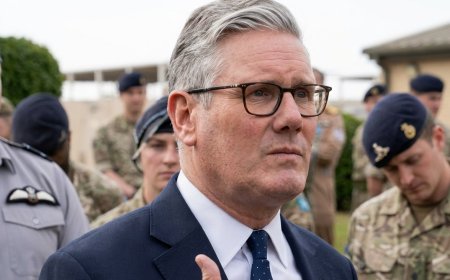
Botswana Media Under Threat, MISA Says
 Dumisani Ndlovu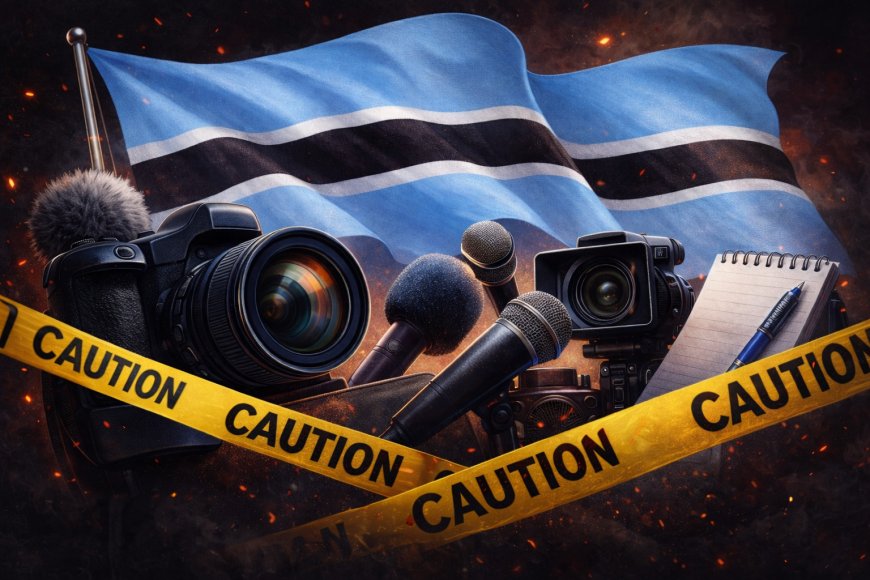
Gaborone - The Media Institute of Southern Africa (MISA) Botswana Chapter has raised alarm over what it describes as growing threats to media freedom, warning that recent developments risk reversing progress made after the 2024 General Election.
In a statement issued by its National Governing Council, MISA Botswana acknowledged early efforts by the new administration to open dialogue with the media sector.
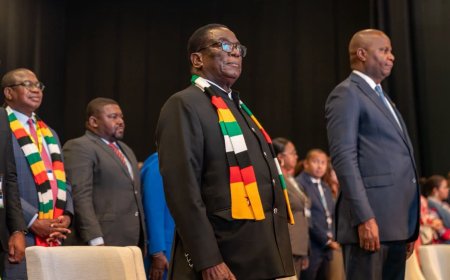
The organisation singled out Minister for State President Moeti Mohwasa for convening the Media Consultative Forum, which brought together journalists and stakeholders to discuss persistent challenges facing the industry.
MISA says the subsequent formation of a Media Review Task Team to examine media laws, sustainability and structural constraints had initially signalled a serious commitment to reform, generating optimism among media practitioners.
That optimism, however, has been tempered by what the organisation describes as an increasingly hostile climate for independent journalism.
MISA Botswana expressed concern over sustained public attacks on journalists, including allegations of misinformation, unprofessional conduct and unethical reporting, some of which have been linked to individuals in senior public office.
Such rhetoric, they say, has emboldened online harassment and normalised hostility toward journalists, developments it says are incompatible with Botswana’s constitutional order.
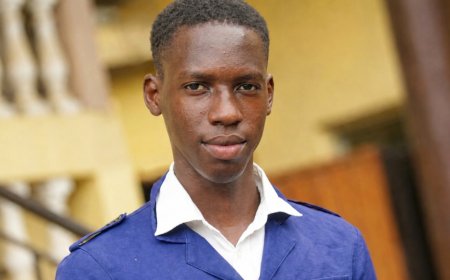
The organisation also flagged reports that Radio Botswana broadcaster Letumile “Lets” Montsosa was removed from the Masaasele morning programme following a tightly managed broadcast focusing on the Constitutional Court.
If confirmed, MISA says, the move would amount to political interference in public broadcasting and a direct violation of editorial independence.
“Public media cannot operate under fear or intimidation,” the statement says, warning that silencing or sidelining journalists for covering matters of national interest weakens democratic accountability.
MISA Botswana rejected what it described as attempts to portray critical journalism as disloyal or hostile, stressing that scrutiny of those in power is a core function of the media.
It warned that framing the press as an adversary erodes public trust, chills investigative reporting and undermines informed public debate.
The organisation cites Section 12 of Botswana’s Constitution, which guarantees freedom of expression and affirms the media’s watchdog role, emphasising that these rights are not privileges granted by the state but obligations the state must protect.
MISA further says state-owned media belongs to the public, not the government of the day, and should reflect diverse views rather than function as political messaging platforms.
While urging journalists to maintain high professional and ethical standards, the organisation cautioned against using allegations of error as a pretext for censorship or retaliation.
It notes that established legal and professional mechanisms exist for handling complaints against the media, and bypassing these in favour of public attacks or punitive action undermines democratic norms.
MISA Botswana called on the government to publicly reaffirm its commitment to press freedom, protect journalists particularly those in state media, from political interference, clarify any personnel decisions linked to editorial content, and fast-track legal and policy reforms to secure media independence and sustainability.
“Botswana’s democratic standing was built on openness and tolerance,” the statement says, warning that renewed control over the media space threatens that legacy.
“A free press is not an enemy of government but a safeguard for the public," they say.