
Chief Lukuluba pledges to protect disability rights through customary law
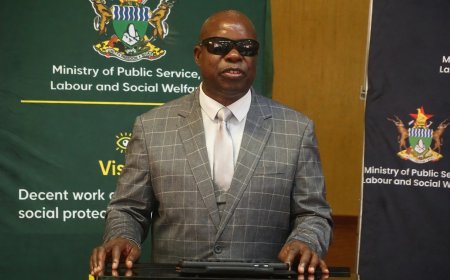
Chief Lukuluba, born Steven Joseph Sayi, says disability rights must be upheld at village level, pledging to mobilise traditional leadership structures to promote inclusion and protect persons with disabilities from discrimination. His commitment comes during the Midlands consultation on the review of Zimbabwe's National Disability Policy.
 Dumisani Ndlovu
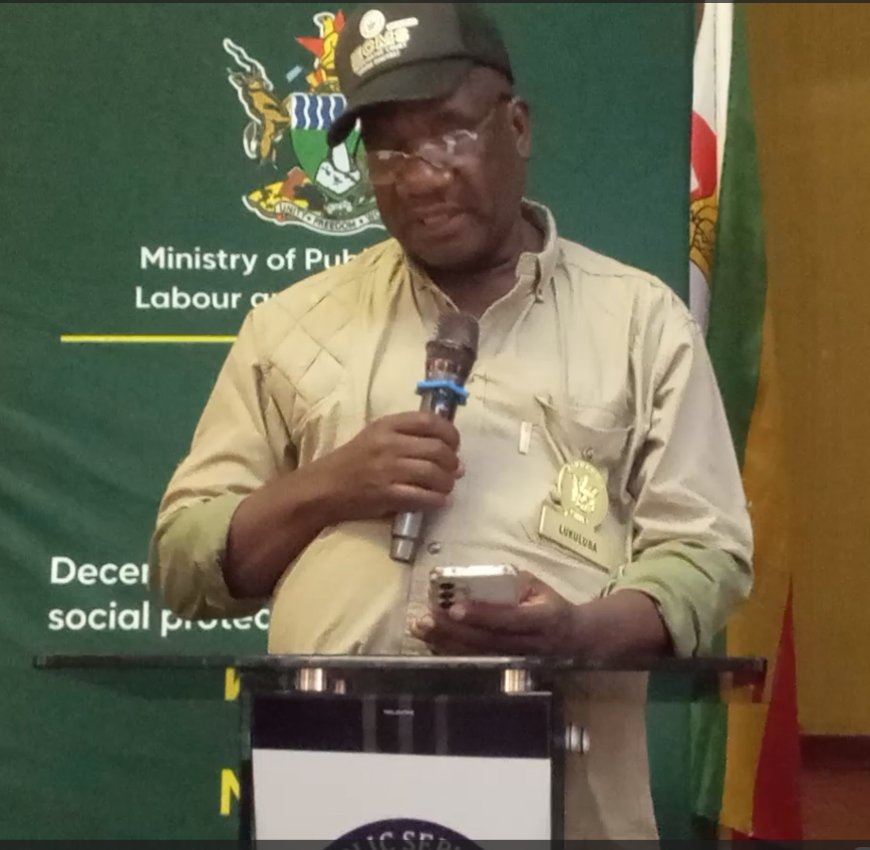
Gweru — Newly installed Chief Lukuluba has pledged to use traditional leadership structures to safeguard the rights of persons with disabilities, declaring that no one should be denied land, inheritance or participation in community affairs because of disability.
The traditional leader, born Steven Joseph Sayi, made the commitment while delivering closing remarks at the Midlands consultation on the review of Zimbabwe's National Disability Policy, calling for disability inclusion to become part of customary practices rather than remain confined to government policy documents.
Speaking on behalf of fellow chiefs, Chief Lukuluba said traditional leaders had listened to the recommendations raised during the consultations and would ensure that issues relating to customary law were taken seriously.
"Customary law is the law that lives in the village. It is the law that decides who gets land, who gets help, and who is respected. This policy must work. It must live in customary law, not only on paper in Harare," he said.
He pledged that traditional leaders would protect persons with disabilities against discrimination in the allocation of land, inheritance and participation in community decision-making.
"No one will be denied land, inheritance, or a voice in the village because of disability," he said.
Chief Lukuluba also called for persons with disabilities to be represented in traditional leadership structures and village assemblies, stressing that decisions affecting them should not be made without their participation.
"Their needs will not be decided without them," he said.
His position is informed by a professional background spanning education, special needs education and social welfare, including 18 years of social work experience in the United Kingdom.
Chief Lukuluba holds a Diploma in Education from Mkoba Teachers College, a Diploma in Special Needs Education from United College of Education in Bulawayo, a Bachelor of Science Honours degree in Special Education from Zimbabwe Open University and a Bachelor of Science Honours degree in Social Work from the University of Lincoln in the United Kingdom.
He also holds a Master's degree in Special Needs Education from the University of Northampton and is pursuing doctoral studies.
He spent 15 years working as an educator before serving in social work in the UK, experience that brings an additional perspective to his traditional leadership responsibilities, particularly on disability inclusion and the protection of vulnerable members of society.
His appointment and installation on October 9, 2026, marked the restoration of the Lukuluba chieftainship, which had been downgraded to headmanship by the colonial administration in 1945.
The restoration ended an 81-year period during which the community's traditional institution remained without its former status.
At his installation ceremony at Somabhula Secondary School, Midlands Minister of State for Provincial Affairs and Devolution Owen Ncube outlined the constitutional and statutory responsibilities of traditional leaders, referencing Sections 264 and 282 of the Constitution, which provide for devolution and define the functions of traditional authorities.
Ncube also highlighted government initiatives intended to improve the working conditions of traditional leaders, including vehicle distribution, road rehabilitation, access to clean water and electrification of chiefs' homesteads.
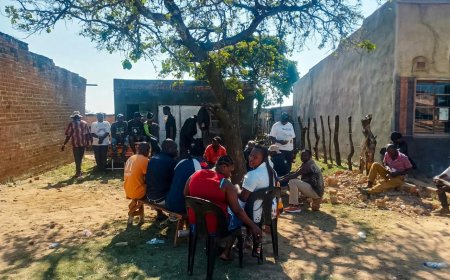
The Midlands consultations are part of a nationwide review of the National Disability Policy, which seeks to assess the effectiveness of existing disability inclusion measures and recommend reforms to strengthen implementation.
The review follows the enactment of the Persons with Disabilities Act of 2025, which established a statutory framework for disability rights and obligations.
Among the issues under consideration are government funding for disability programmes, accessibility of public infrastructure and transport, inclusive education, healthcare, rehabilitation services and access to assistive devices.
Delegates are also examining institutional accountability, economic participation and the availability of reliable disability-disaggregated data to inform government planning.
Particular attention is being given to women, children, persons with multiple impairments and people in rural communities, who often face additional barriers in accessing services and participating in public life.
Chief Lukuluba urged delegates and stakeholders to take the recommendations beyond consultation meetings and ensure they translate into practical changes in communities.
"Let us go back to our villages or communities and make the policy a reality, from the district to the smallest village," he said.
His call places traditional leadership structures among the institutions expected to help bridge the gap between national disability rights commitments and their implementation at community level.