Applause Is Not a Paycheque: How Anthemic "Bill Number 3" Singer Story Exposed Zimbabwe's Long History of Taking Artists for Granted
Fortunate Masara's viral CAB3 jingle sparked national recognition but raises a bigger question: Can artists survive on applause alone? This article explores fair remuneration, artists' rights, music sustainability, intellectual property and the future of Zimbabwe's creative industry.
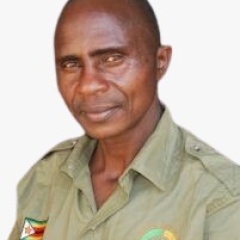 Dumisani Ndlovu
GWERU - When Mashonaland West teacher and Gweru musician Fortunate Masara, popularly known as Fortune Masara, recorded his now-famous Constitutional Amendment Bill No. 3 (CAB3) jingle, he was motivated by conviction rather than commercial gain.
The multilingual production quickly became one of the most recognisable songs associated with the constitutional campaign, earning extensive airplay on Zimbabwe Broadcasting Corporation (ZBC) radio and television stations and becoming a familiar soundtrack at pro-CAB3 events across the country.
For Masara, the reward has largely been national recognition.
"I never expected the jingle to receive such an overwhelming reception. It has earned me recognition and respect from patriotic Zimbabweans, including people who previously overlooked my work," he said.
The teacher-musician also acknowledged veteran Gweru music producer DJ Khule of GM Records for mentoring him and helping shape the production that introduced his music to a national audience.
Ironically, when Masara recently visited this publication for an interview, he arrived almost two hours late after experiencing public transport delays—an everyday reminder that national recognition does not necessarily translate into financial security.
While Masara insists his contribution was inspired by patriotism rather than money, his story raises an uncomfortable but necessary question for Zimbabwe's creative sector: Should artists whose work significantly advances national campaigns survive on recognition alone?
Recognition undoubtedly opens doors. It builds credibility, creates opportunities and introduces artists to wider audiences. But it does not pay studio fees, transport costs, musical equipment, internet subscriptions, school fees or household expenses.
Artists, like teachers, journalists, engineers and doctors, earn their living from their profession. Music is not merely entertainment; it is skilled labour, intellectual property and a business.
Zimbabwe's music industry has for years celebrated artists who lend their voices to national campaigns, awareness programmes, political events, health initiatives and community projects. Yet many creatives continue to speak quietly about delayed payments, unpaid performances and the persistent expectation that they should work solely for "exposure" or "patriotism."
That culture threatens the long-term sustainability of the country's creative economy.
When artists spend weeks writing songs, paying for studio sessions, rehearsing and promoting productions only to receive little or no financial compensation, the consequences extend far beyond one individual. Many are forced into debt, abandon promising careers or seek alternative employment because music can no longer sustain them.
The effects are equally damaging psychologically. Continuous exploitation erodes motivation, breeds frustration and leaves artists feeling their creativity has little value. It also weakens trust between artists and institutions, making future collaborations increasingly difficult.
The impact extends beyond individual musicians. Every successful song supports an ecosystem of producers, sound engineers, videographers, photographers, marketers, dancers and event organisers. When artists are not fairly rewarded, that entire value chain suffers.
Masara's CAB3 jingle demonstrates the immense influence music can have in shaping public discourse. It reached audiences nationwide, amplified a constitutional conversation and became one of the campaign's most recognisable creative products. Such impact carries undeniable value.
If campaigns can budget for venues, publicity, logistics and broadcasting, then creative content should equally be recognised as a professional service deserving of fair remuneration.
Encouragingly, Zimbabwe has also witnessed examples of private-sector patronage that acknowledge the value of artistic excellence. Businessman Wicknell Chivayo has, in recent years, gifted vehicles and financial support to several musicians in recognition of their contribution to the country's cultural landscape. Those voluntary gestures have reignited public debate about the importance of investing in local talent and demonstrated how meaningful support can transform artists' lives and careers.
Masara's story naturally adds another dimension to that conversation. His nationally recognised advocacy song has elevated his profile, opened professional doors and earned him public respect. Whether through private philanthropy, corporate sponsorship, institutional support or properly negotiated contracts, many in the creative sector argue that artists whose work leaves a lasting national impact deserve opportunities that enable them to continue creating without struggling to meet basic living costs.
Paying artists should never be viewed as charity or a favour. It is an investment in quality, professionalism and sustainability. Fair compensation allows musicians to improve their productions, acquire better equipment, employ fellow creatives and continue producing music that educates, informs and inspires communities.
Recognition and remuneration should complement each other—not compete.
Masara's journey demonstrates how one song can transform an emerging musician into a nationally recognised voice. Yet lasting success depends on more than applause. Artists need fair contracts, timely payment, protection of their intellectual property, access to royalties and ownership of their master recordings if they are to build sustainable careers.
Zimbabwe has repeatedly acknowledged the importance of the creative and cultural industries in national development. Turning that recognition into reality requires more than celebrating artists on stage or praising their patriotism. It requires treating their creativity as work worthy of professional reward.
Fortunate Masara's story is therefore not simply about one successful CAB3 jingle. It reflects the experiences of countless Zimbabwean artists whose creativity informs, educates and inspires the nation.
Their contribution deserves more than applause.
It deserves respect, protection, investment and fair payment.
Only then will music become not just a powerful tool for advocacy, but a sustainable means of survival for the men and women whose talent continues to give Zimbabwe its voice.