Nkomo's Son Blasts Ziyambi Over Gukurahundi Remarks
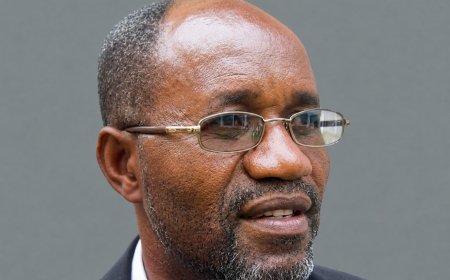
ZAPU president Sibangilizwe Nkomo has slammed Justice Minister Ziyambi Ziyambi over his remarks denying Gukurahundi was a genocide, accusing the Minister of rewriting history and insulting victims during the ongoing national reconciliation debate.
 Dumisani Ndlovu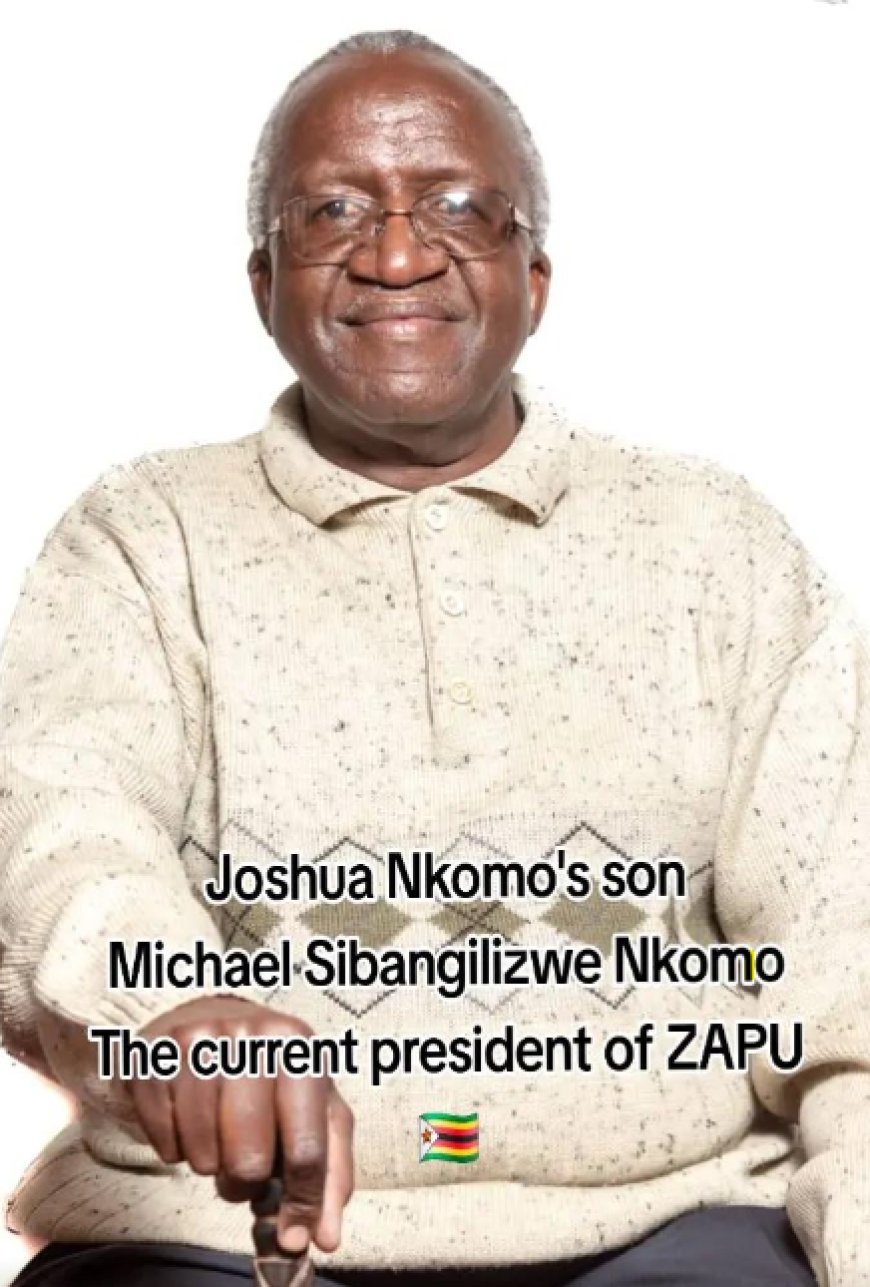
Harare – Late Vice President Joshua Mqabuko Nkomo's son, ZAPU president Sibangilizwe Nkomo, has launched a blistering attack on Justice, Legal and Parliamentary Affairs Minister, Ziyambi Ziyambi, accusing him of historical revisionism after the Minister dismissed Gukurahundi as a "conflict" rather than a genocide during debate in the Senate.
In a strongly worded statement issued on Sunday, Nkomo said he was "utterly disgusted" by remarks attributed to Ziyambi, arguing that the Minister was denying well-documented atrocities committed in Matabeleland and parts of the Midlands during the 1980s.
"I have learned this morning with utter disbelief and total disgust of something that is attributed to the Minister of Justice and Parliamentary Affairs, Mr Ziyambi Ziyambi," Nkomo said.
"It is unbelievable that there is a person in this country, in this day and age, who would utter such rubbish about the genocide that took place in this country, particularly in the western part of Zimbabwe," he said.
Nkomo accused the Minister of attempting to erase one of Zimbabwe's darkest chapters while claiming others were "rewriting history."
"He says people should not rewrite history and stoke emotions. Yet he is the one who is rewriting history and stoking emotions. He is in denial," said Nkomo.
"He wants to sweep under the carpet this very, very sad patch of our history," he said.
The ZAPU leader maintained there was overwhelming evidence that Gukurahundi constituted genocide, citing what he described as empirical and forensic evidence showing civilians were targeted because they were Ndebele-speaking, affiliated with ZAPU or perceived to support the party's leadership.
"There is very clear overwhelming evidence that a genocide did take place in Zimbabwe.
"Unless he is saying Matabeleland is not part of Zimbabwe, then he has a problem," he said.
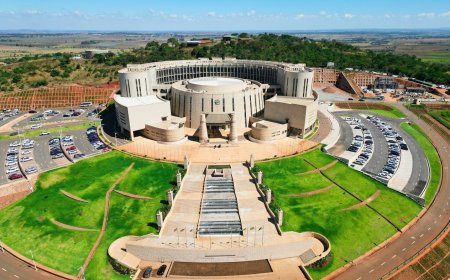
The remarks came days after Minister Ziyambi rejected claims in the Senate that Gukurahundi amounted to genocide while responding to debate on the Constitutional Amendment Bill No.3.
"I do not believe there was genocide in Zimbabwe. In fact, there was no genocide," Ziyambi told Senators.
"There was a conflict, but there was never a deliberate Government policy at any one time to eliminate one tribe against the other," he claimed.
The Minister urged legislators "not to rewrite history or stoke emotions," arguing that Zimbabwe's communities had long coexisted peacefully and that the country should focus on unity.
His comments followed submissions by Senator Sengezo Tshabangu, who called for legislation to ensure truth, justice, reconciliation and compensation for victims of atrocities committed between 1983 and 1987.
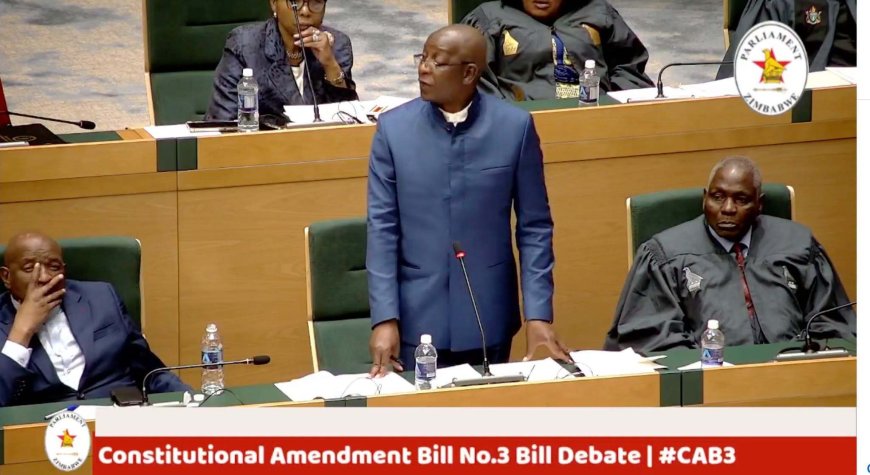 Minister Ziyambi Ziyambi.
The Minister's remarks have since triggered widespread criticism from survivors, opposition politicians, human rights advocates and social media users, who argue that describing Gukurahundi as merely a conflict diminishes the suffering of thousands of victims.
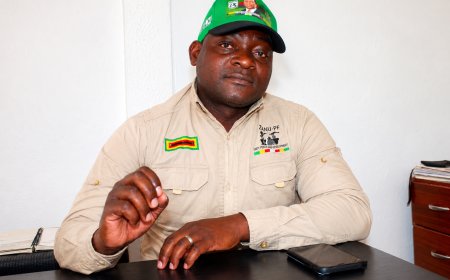
ZAPU Secretary-General Mthulisi Hanana also condemned Ziyambi's comments, describing them as consistent with what he called ZANU PF's long-standing refusal to acknowledge Gukurahundi as genocide.
"The comments by Ziyambi Ziyambi are an insult to the people of Matabeleland, an insult to grieving families and an insult to ZAPU," Hanana said.
He challenged the Minister to release the findings of the Dumbutshena and Chihambakwe commissions of inquiry if he wished to substantiate his assertions.
Gukurahundi refers to the military campaign carried out between 1983 and 1987 by the Fifth Brigade in Matabeleland and parts of the Midlands during the conflict with alleged dissidents.
Human rights organisations estimate that about 20,000 civilians were killed during the operation, although the Zimbabwean government has not officially recognised that figure.
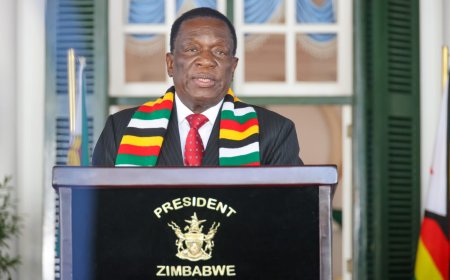
President Emmerson Mnangagwa has previously initiated a chiefs-led process aimed at addressing the legacy of Gukurahundi, saying traditional leaders should spearhead community-based healing and reconciliation efforts.
However, critics argue that meaningful reconciliation cannot be achieved without full acknowledgement of the atrocities, accountability and justice for victims.