
From the Great Dyke to Great Neglect: Why Zimbabwe Must Ensure Mining Communities Benefit First
Shurugwi produces millions in minerals but lacks basic services. This policy advocacy piece demands that Zimbabwe reform mining laws to ensure mineral wealth develops Shurugwi first through local funds, beneficiation, and equitable infrastructure investment.
 Dumisani Ndlovu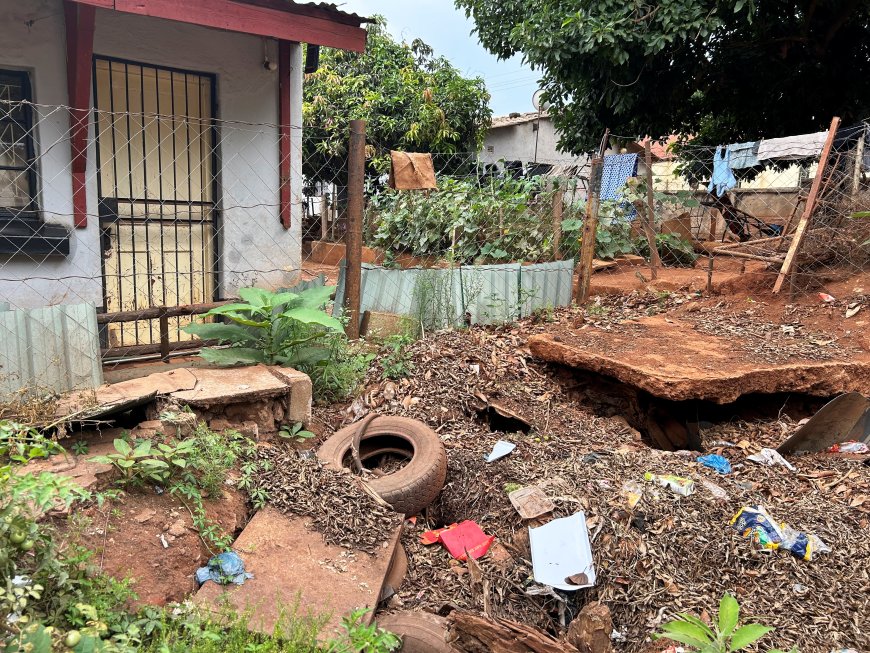
Shurugwi — For more than a century, Shurugwi has occupied a central place in Zimbabwe's mining economy. Situated on the mineral-rich Great Dyke, the district hosts deposits of gold, chrome, platinum, nickel and other minerals that have supported industrial production, export earnings and government revenue over generations.
Yet despite its geological significance, many residents continue to raise concerns about the quality of roads, water supply, public infrastructure and employment opportunities.
This contrast between mineral wealth and local development raises an important public policy question: how should Zimbabwe ensure that communities hosting strategic mineral resources share more directly in the benefits generated from them?
This question extends beyond Shurugwi. Similar concerns have been expressed in other resource-producing districts, including Hwange, Zvishavane, Gwanda, Marange and Mberengwa, where communities often argue that the economic benefits of mining are not always matched by improvements in local infrastructure and public services.
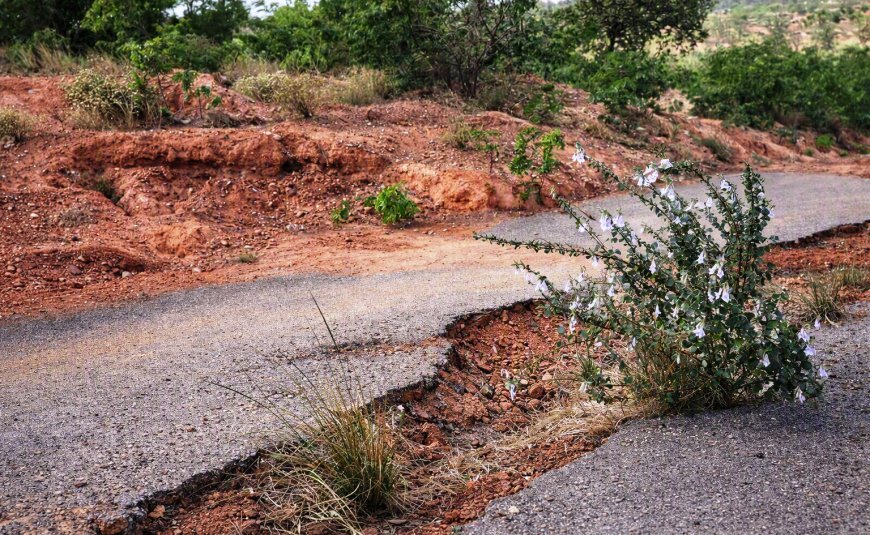 Cracks and decay mark a Shurugwi roadway, symbolising the wider development gap confronting a district that has powered Zimbabwe’s mining economy for generations.
Mining remains one of Zimbabwe's most important economic sectors, contributing significantly to exports and national development. Successive governments have prioritised increasing mineral production and attracting investment as part of broader economic growth strategies.
However, increased production alone does not necessarily translate into improved living standards in mining communities. Whether mineral wealth contributes to local development depends largely on how mining revenues are managed, how infrastructure obligations are enforced and how effectively national and local institutions coordinate development.
Zimbabwe's legal framework already recognises principles that are relevant to this debate. The Constitution commits the State to balanced and equitable development across the country while also recognising every person's right to an environment that is not harmful to their health or well-being.
These principles suggest that communities affected by intensive resource extraction should see meaningful improvements in infrastructure, public services and environmental management.
The discussion therefore is not whether mining should continue. Mining is essential to Zimbabwe's economy and remains a critical source of employment, investment and foreign currency.
The greater challenge is ensuring that mineral development also delivers sustainable local development.
Several policy options deserve serious consideration.
Greater transparency around royalties and community development commitments would improve public confidence in how mineral wealth is distributed.
Strengthening Community Share Ownership Trusts, where appropriate, or introducing more predictable local development funding mechanisms could help finance roads, water systems, clinics and schools in mining districts.
Government may also consider requiring major mining projects to integrate long-term infrastructure planning with local authorities so that expansion of mining activity is accompanied by corresponding investment in public services.
Another important opportunity lies in mineral beneficiation. Processing minerals closer to where they are extracted can create higher-value jobs, encourage industrial growth and expand local economic activity rather than relying predominantly on exports of raw or semi-processed minerals.
Environmental governance must also remain a priority. Effective monitoring, transparent rehabilitation programmes and meaningful community consultation are essential to ensure that mining delivers lasting benefits while protecting the environment for future generations.
None of these measures should be viewed as obstacles to investment. On the contrary, investors generally benefit from stable communities, reliable infrastructure and clear regulatory frameworks that reduce uncertainty and strengthen public trust.
Ultimately, the debate is not about whether Zimbabwe should exploit its mineral resources. It is about ensuring that resource-rich communities become active beneficiaries of the wealth generated within their districts.
If Zimbabwe is to realise its ambition of becoming an upper-middle-income economy, development should be visible not only in export statistics but also in the everyday lives of people living in the communities where the country's mineral wealth originates.
Shurugwi has contributed to Zimbabwe's mining economy for generations. The next phase of mining policy should ensure that communities like Shurugwi share more directly and more visibly in the prosperity those resources create.