
Ministry Raises Concern Over Gweru Polytechnic Pass Rate
By Dumisani Ndlovu — Government has ordered a probe into poor pass rates, lecturer absenteeism and administrative inefficiencies at polytechnic colleges after Gweru Polytechnic recorded a 74% pass rate.
 Dumisani Ndlovu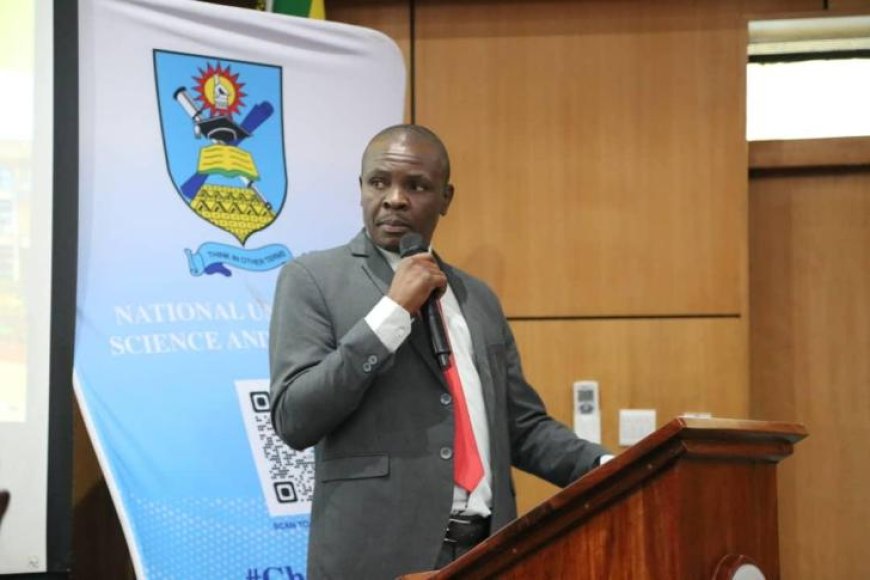
Gweru — Government has raised concern over declining pass rates, lecturer absenteeism and administrative shortcomings at polytechnic colleges, warning that the situation requires urgent intervention.
Deputy Minister of Higher and Tertiary Education, Innovation, Science and Technology Development, Hon. Simelisizwe Sibanda, said the performance of some polytechnic students was unacceptable, particularly given that most enter tertiary education after meeting the required five O-Level passes.
Speaking at Gweru Polytechnic’s 35th graduation and prize-giving ceremony recently, Sibanda questioned how students could spend up to three years in tertiary education only to fail their final assessments.
Of the 1,064 candidates who sat for examinations at the institution, 280 failed, resulting in an overall pass rate of 74%
Some disciplines performed significantly worse, recording pass rates of only 55%
A total of 790 students graduated, comprising 310 males and 480 females, while 351 graduates representing 44.4% of the cohort came from STEM-related programmes.
“What is the problem in our polytechnics? We are really concerned about this,” Sibanda said, expressing concern over disciplines where pass rates had fallen.
He said the Ministry would investigate the factors behind the poor results, particularly when compared with Universities and other tertiary institutions that routinely record pass rates of between 98% and 100%.
Sibanda also turned his attention to lecturers, demanding greater commitment to teaching responsibilities and stronger professional engagement with students.
“We expect our lecturers to attend all lectures. We want to see this happening going forward, especially in our polytechnics,” he said.
The Deputy Minister also criticised administrative delays that result in graduates waiting for months to receive their certificates.
He said polytechnic colleges should examine their administrative systems and find ways of ensuring certificates are processed and issued without unnecessary delays, noting that other institutions, including Universities, teachers’ colleges, agricultural institutes and the School of Mines, were able to issue certificates promptly.
He urged polytechnic authorities to “go back to the drawing board” and address the challenges affecting both academic performance and service delivery.
Gweru Polytechnic Principal, Engineer Washington Chandiwana confirmed that 1,094 candidates were eligible to sit for the final assessments, although only 1,064 eventually wrote the examinations.
Eng. Chandiwana, however, pointed to areas of progress at the institution, particularly in STEM education and innovation.
He said STEM enrolment increased from 904 to 973 students, while the institution also recorded an increase in student-led innovations.
Student Representative Council Chairperson, Peter Muzheki, raised concern over the increasing prevalence of drug and substance abuse among young people, adding another dimension to the challenges confronting students in tertiary institutions.
The Government’s planned probe is expected to establish whether the poor pass rates are linked to teaching standards, lecturer attendance, student preparedness, institutional administration or other factors affecting learning outcomes at polytechnic colleges.