Angola, Uganda Join Regional Drug Trafficking Crackdown
By Delicious Mathuthu — Angola and Uganda have joined South Africa, Mozambique and Tanzania in expanding the Trilateral Planning Cell to strengthen intelligence sharing, border security and coordinated operations against drug trafficking and transnational organised crime.
 Delicious Mathuthu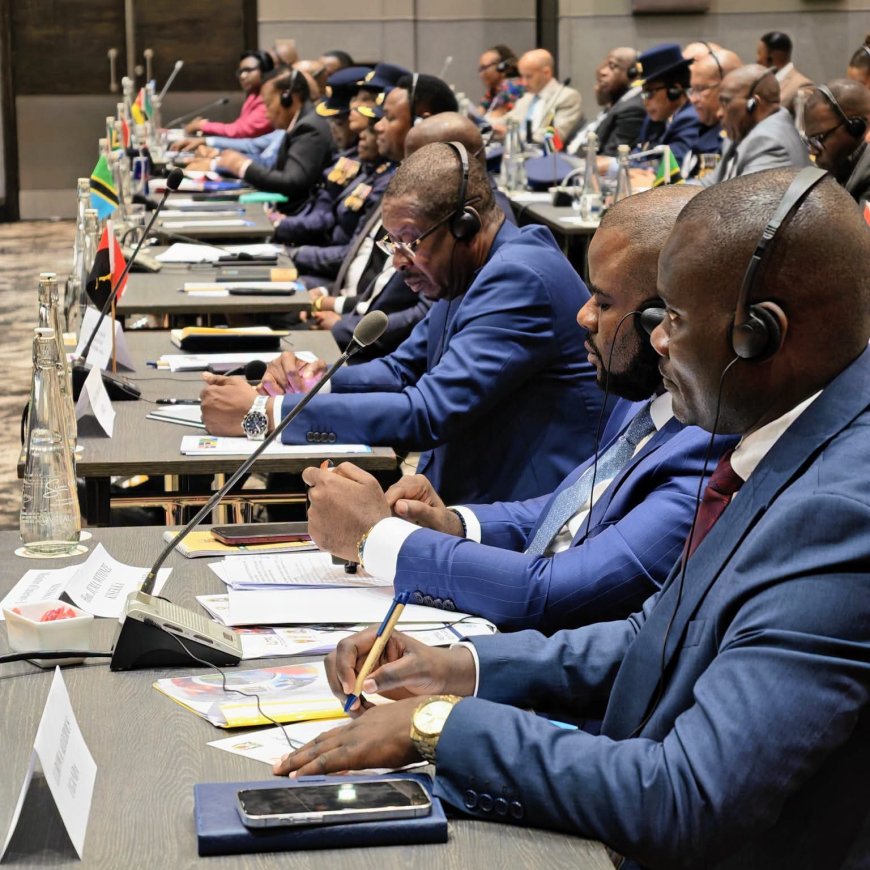
Pretoria, South Africa — Angola and Uganda have joined South Africa, Mozambique and Tanzania in a regional initiative to combat drug trafficking and organised crime, as law enforcement agencies move to strengthen intelligence sharing and cross-border operations.
The expansion of the Trilateral Planning Cell (TPC) was announced after a three-day ministerial meeting in Pretoria, where participating countries agreed on measures to improve coordination against criminal networks operating across national borders.
The initiative targets the manufacture, trafficking and distribution of illicit drugs along the Southern Route, while broadening cooperation against other forms of transnational crime.
South Africa’s Acting Minister of Police, Firoz Cachalia, said closer cooperation between law enforcement agencies was essential because criminal syndicates exploited national borders to evade detection and prosecution.
“The expansion of the Trilateral Planning Cell demonstrates our collective resolve to confront organised crime through a coordinated regional response,” Minister Cachalia said.
He said police forces needed stronger intelligence-sharing arrangements, joint planning and faster responses to information about criminal activity.
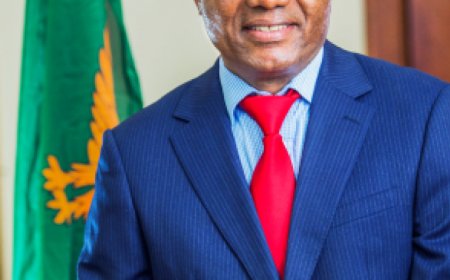
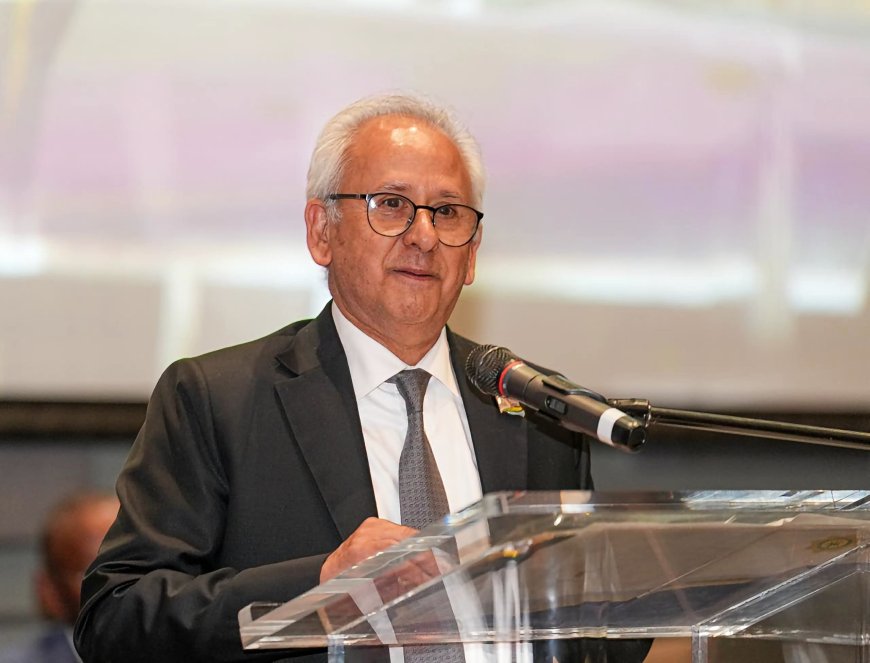 South Africa’s Acting Minister of Police, Firoz Cachalia. Image credit: SAPS.
The ministerial meeting also identified kidnapping, vehicle theft, human trafficking, migrant smuggling, financial and environmental crimes, and terrorism as areas requiring coordinated regional action.
South African Police Services (SAPS), in a statement, said a new cooperation framework has been developed to facilitate direct engagement between police forces, improve the exchange of operational intelligence and strengthen the identification of drug trafficking syndicates.
The framework also seeks to improve the detection of illicit drugs and related criminal activities, particularly at border points, they said.
Separately, SAPS said South Africa and Mozambique discussed a proposed Regional Joint Counter-Narcotics and Organised Crime Fusion Centre to improve intelligence coordination and joint responses to criminal networks.
The centre however remains a proposal, with the meeting focusing on its potential role in strengthening regional law enforcement cooperation.
Established in 2019, the TPC has previously contributed to the discovery of clandestine drug laboratories, seizures of illicit drug consignments and arrests of suspects linked to organised criminal activities, according to the South African Police Service.
Minister Cachalia said the ministerial meeting provided an opportunity for participating countries to assess progress, identify operational challenges and agree on priority interventions.
The meeting brought together senior government and law enforcement representatives from the five countries, alongside regional and international experts.
Those attending included Mozambique Interior Minister Paulo Chachine, Tanzania Minister of State in the Prime Minister’s Office Palamagamba John Kabudi, Uganda Internal Affairs Minister Juma Witonzo Kisekka and Angola Interior Ministry Secretary of State General Arnaldo Manuel Carlos.
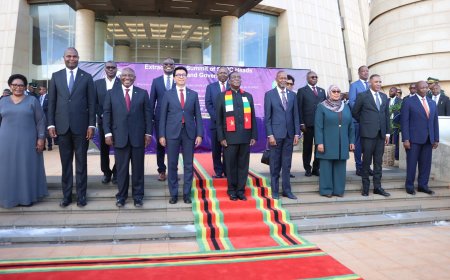
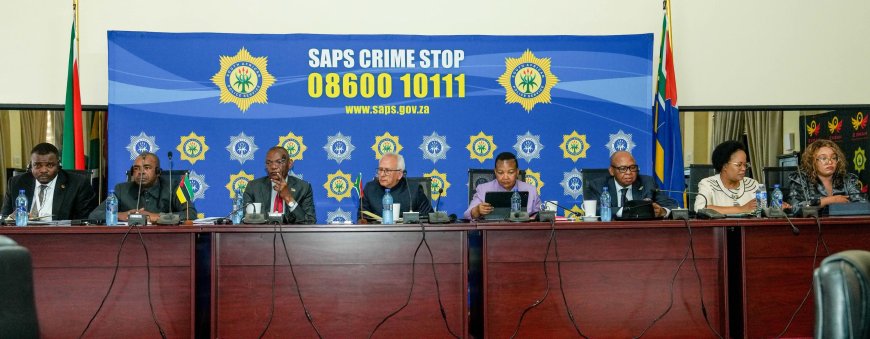 Delegates at the three-day ministerial meeting in Pretoria. Image credit:SAPS
South Africa was represented by Cachalia and Deputy Ministers of Police, Polly Boshielo and Cassel Mathale.
SAPS said the expanded arrangement is intended to strengthen regional capacity to disrupt criminal networks, improve cooperation between national police agencies and bring suspects to justice.