“Ndebele Warriors”: Backlash as Parents Threaten Boycott Over Dorset Language Divide
By Siphosami Ndlovu — Ndebele-speaking parents at Dorset Primary School in Shurugwi are demanding qualified teachers to help children learn in their mother tongue after the alleged “Ndebele Warriors” label sparked outrage. The School Development Committee says it is exploring plans to recruit Ndebele teachers, while parents want education officials to intervene and provide a clear timeline for addressing the language gap.
 Kwedu News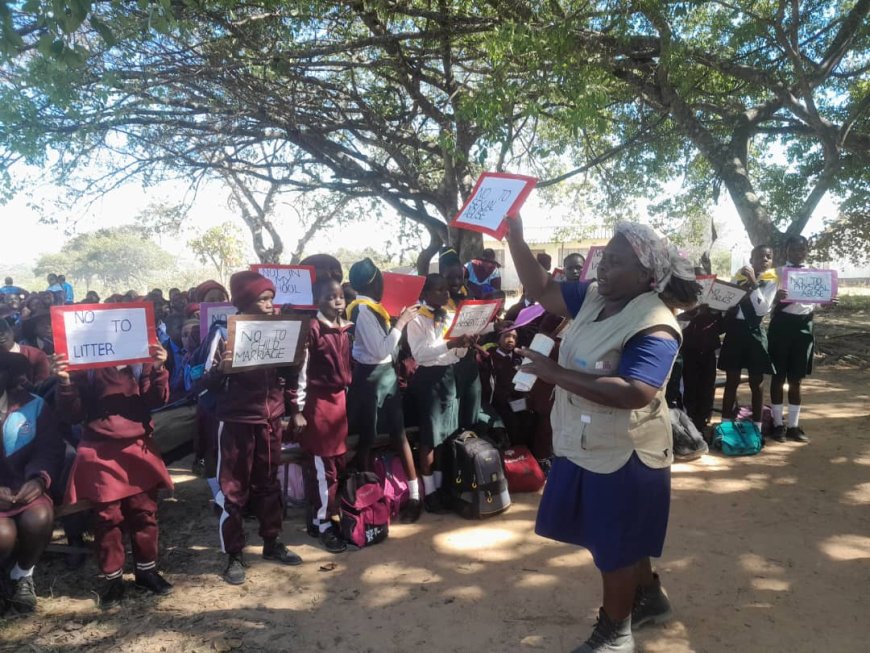
... Parents Demand Qualified Ndebele Speaking Teachers for their Children
By Siphosami Ndlovu
Shurugwi — Ndebele-speaking parents at Dorset Primary School in Shurugwi are demanding urgent intervention from education authorities to provide qualified Ndebele teachers for their children, as a long-running dispute over mother-tongue education intensifies following the alleged labelling of parents and the school’s pledge to explore its own recruitment plan.
When Ndebele-speaking parents at Dorset Primary School demanded teachers who could teach their children in their mother tongue, they were allegedly branded "Ndebele Warriors."
Instead of silence, the label sparked outrage, forced an official apology from the school administration and exposed a deep, long-simmering crisis over language, identity and a child's constitutional right to learn in the language of their mother.
For years, parents have watched their children struggle in a school system where Shona and English dominate classroom instruction while Ndebele remains marginalised.
The issue, raised in October 2025 and reported in a local community newspaper, The Times, remains a concern as villagers in Dorset Resettlement, Ward 21, fear the marginalisation of their language and that it could lead to its extinction.
“We are not asking for a favour. We are asking for what the Constitution promises,” one parent told Kwedu News, “our children have a right to learn in Ndebele.”
Parents want the school to recruit qualified Ndebele-speaking teachers on an equal footing with those teaching Shona and English.
In October 2025, they warned that they could withdraw their children if the Ministry failed to address the problem, describing the continued neglect of their language as “cultural sabotage”.
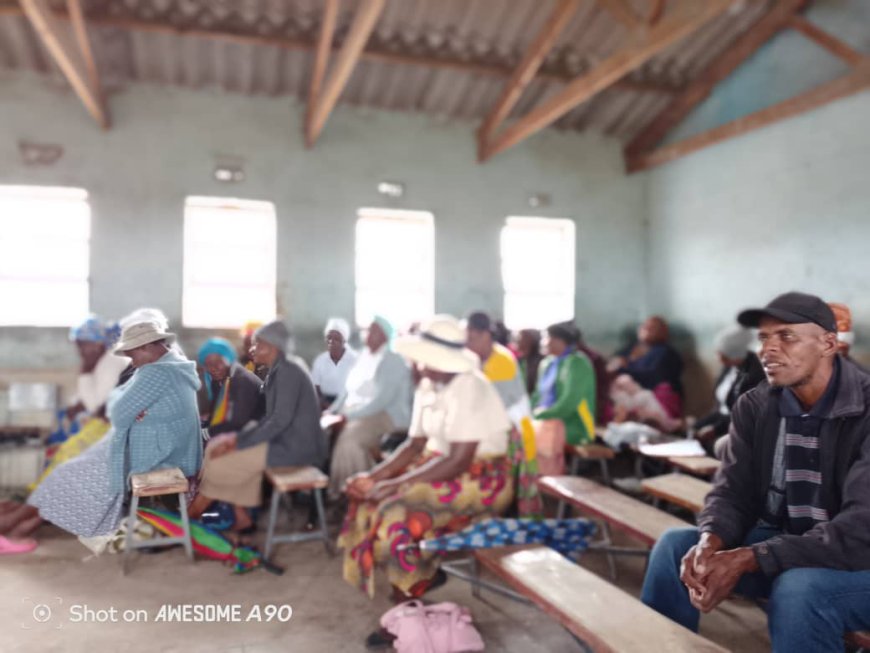 One of the engagement meetings at Dorset Primary School between parents and school authorities.
For some parents, however, repeated discussions have yielded little progress.
“To continue talking to these people about a Ndebele teacher in Dorset is like cooking delicious food for a patient in intensive care,” said another parent, who declined to be named, saying authorities should be alive and do something.
“It sounds good, but it will not save the patient. We need action, not talk," the parent said.
During an engagement meeting with parents last year, Dorset Primary School Head, Loice Gumbo, said staffing constraints were complicating efforts to address the shortage of Ndebele-speaking teachers.
Gumbo said the school was already overstaffed by four teachers, while a government freeze on new recruitment limited its options.
“The only means is to call for locals teaching elsewhere who wish to swap with Dorset teachers to the places they are currently working,” she said.
However, an investigation by this reporter found that efforts to fill the gap have also been hampered by the reluctance of trained Ndebele-speaking teachers from the area to relocate to Dorset.
Parents say they have petitioned the school and education officials over the issue but have yet to receive a satisfactory response.
Shurugwi District Schools Inspector, Simoli Makwati, previously told The Times that he was unaware of the concerns.
“It is news to me,” he said at the time.
The School Development Committee (SDC) now says it is exploring an alternative approach by seeking to recruit Ndebele-speaking teachers directly.
SDC Chairperson, Sifiso Sibanda, said the committee was developing plans to employ teachers without waiting for government recruitment.
Sibanda said potential income-generating projects could provide funding for the initiative.
“We have potential projects that are ready to pay Ndebele teachers as a school. Very soon the plan will be fruitful,” she said.
SDC Vice-Chairperson, Albert Manyeruke, said the committee recognised the parents’ concerns and was working towards a solution.
“As parents’ messengers, we have taken note of the fact that people should be taught in their mother language and it is their right, so we are trying our best,” he said.
Asked why the committee had not engaged parents more openly before announcing the proposed recruitment plan, Sibanda said discussions had been difficult without a concrete solution to present.
“Engaging bitter parents without a tangible solution is difficult to manage,” she said.
Parents, however, say they want more than assurances.
They are calling on the Shurugwi District Schools Inspector and the Provincial Education Directorate to intervene, address the staffing gap and provide a clear timeline for introducing qualified Ndebele-speaking teachers at the school.