13 Academic Qualifications and Counting, From Sitting on a Classroom Floor to Earning a PhD
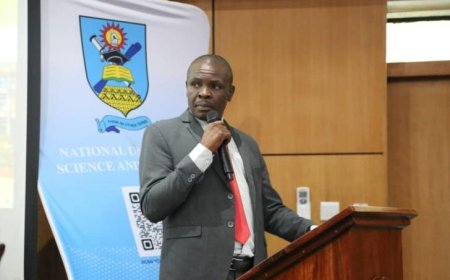
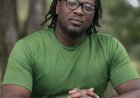
By Dumisani Ndlovu — Chief Superintendent Dr. Leon Marongedza has shared his journey from rural hardship to earning a PhD and giving back to disadvantaged schools and learners.
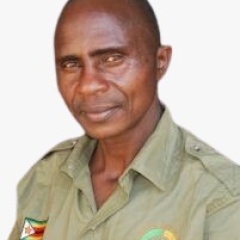 Dumisani Ndlovu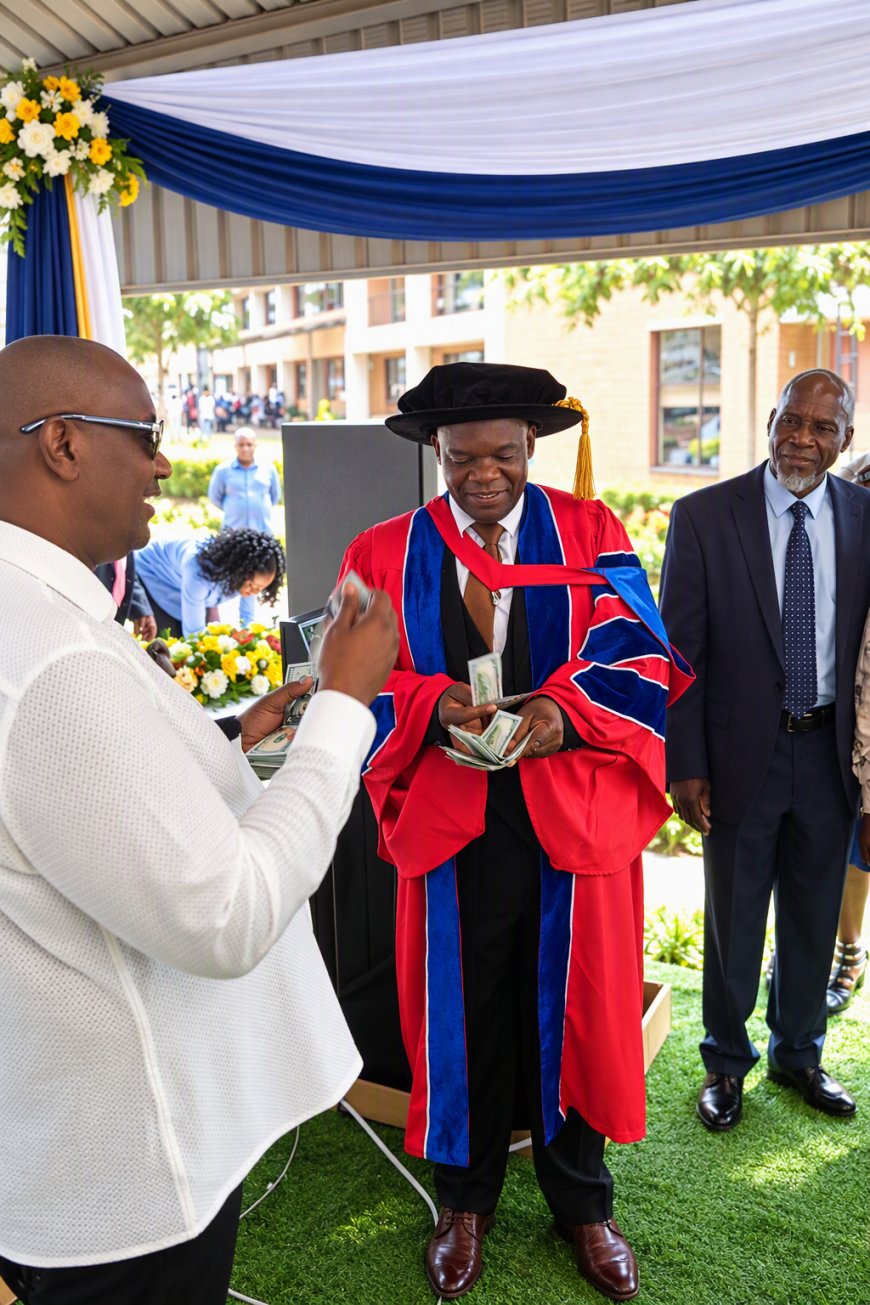
Gweru — As a rural schoolboy, Dr. Leon Marongedza walked through dust and rain to reach school, often arriving tired and hungry before settling down to learn in a classroom where there was not even enough furniture.
Those hardships, he says, could have broken him.
Instead, they became the foundation of a journey that would take him from sitting on a classroom floor to earning a doctorate, accumulating 13 academic qualifications and rising through the ranks of the Zimbabwe Republic Police (ZRP).
“Through dust and the times in the rain, we would arrive at the school tired, hungry and dusty, but determined to learn,” Dr. Marongedza said while reflecting on his journey at an appreciation ceremony organised by Midlands Minister of State for Provincial Affairs and Devolution, Honourable Owen Ncube.
“Looking back, those conditions could have broken me. Instead, they built resilience, determination and a deep appreciation for education.”
Today, Chief Superintendent Dr. Marongedza is the Officer Commanding Police in the Gweru Urban District (Dispol), but his journey to that position was shaped as much by the hardships of his childhood as by his career in policing.
He told guests that his early experiences taught him that education was rarely handed to people on a silver platter.
“Sometimes it requires sacrifice, perseverance and unwavering determination to keep moving forward. Today, I say education is life,” he said.
It was that belief that drove his academic journey.
After joining the police as a constable on November 28, 1994, Marongedza found himself working in an increasingly complex policing environment.
Criminal methods were evolving, communities were changing and the justice delivery system was becoming more sophisticated, he said.
For him, further education was therefore not simply about collecting qualifications but about becoming better equipped to perform his duties, understanding the communities he served and responding to the changing demands of policing.
“I pursued education to complement my profession, deepen my understanding of community development, sharpening my leadership skills and planning skills, strengthening my ability to analyse crime, and better understand the justice delivery system,” he said.
His academic journey eventually culminated in a Doctor of Philosophy (PhD) in Development Studies from Marondera University of Agricultural Sciences and Technology.
He also holds Master's Degrees in Strategic Management and Monitoring and Evaluation, four Bachelor's Degrees in areas including substantive law, procedural law, counselling and monitoring and evaluation, as well as several Diplomas, Certificates and police development qualifications.
His latest qualification, a Special Honours Degree in Monitoring and Evaluation from Midlands State University, took his academic tally to 13.
But it was his doctoral research that brought him face to face with the child he once was.
His thesis, titled “Institutional Constraints Affecting Learners' Performance in Rural Schools,” examined challenges that he had experienced personally.
“Why this topic? Why not a policing topic? Why not a law-related topic? My answer is simple. I chose this topic because it is my life. I experienced that,” Marongedza said.
The research took him back to classrooms where he had once sat without proper furniture, communities where clean water was difficult to access and a childhood defined by long journeys to school.
He remembered the absence of connectivity, libraries and internet access, as well as the financial difficulties his parents faced in keeping him in school.
“As I researched on institutional constraints affecting learners, I saw my own primary school experiences reflecting in the evidence,” he said.
“I remembered the lack of furniture because I personally sat on the floor myself. I remembered the lack of clean water. I remembered the long distance I travelled to school," Dr. Marongedza said
For him, the thesis became more than an academic requirement.
It transformed personal experience into research evidence and, ultimately, recommendations for addressing challenges affecting rural learners.
His recommendations speak to Sustainable Development Goal 4, on inclusive and quality education and Zimbabwe's broader emphasis on human capital development.
But Dr. Marongedza says the value of education should not end with the awarding of certificates.
For him, education must become service.
That philosophy has taken him back to the rural communities that shaped his own life.
At Matsenga Primary School, he said, a borehole was recently installed to provide access to water.
At St Arnold Secondary School, he donated tables and chairs sufficient to support three to four classrooms.
At Mayema Primary School, he installed Starlink internet connectivity to give rural learners access to online information and research.
He has also donated books, uniforms and learning materials to schools and is currently paying school fees for 10 pupils from financially disadvantaged families.
“I do not regard these interventions as a means of seeking attention. They are my way of saying thank you to the community that raised me and gave me the foundation upon which my journey was built,” he said.
That, he said, was the lesson at the heart of his academic journey.
“I researched these challenges. I now have an opportunity to contribute in whatever small way I can towards addressing some of them. That for me is the true meaning of education," he said.
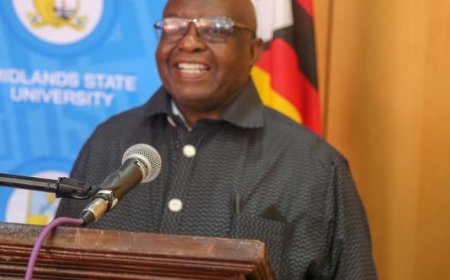
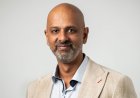
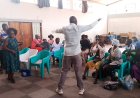
Dr. Marongedza's story resonated with Minister Owen Ncube, who organised the appreciation ceremony to recognise the senior police officer's academic achievements and service.
Honourable Ncube commended Dr. Marongedza for combining a demanding police career with a sustained commitment to education and professional development.
He said Dr. Marongedza had raised the profile of the Midlands province and the ZRP through his achievements and dedication to policing.
Hon. Ncube also highlighted Dr. Marongedza's contribution to the police service, including his involvement in crime prevention, investigations, anti-smuggling operations, efforts to reduce the supply of drugs and substances, and disaster risk management across the province.
Dr. Marongedza's police career began with training in weapons handling, crime-scene attendance, powers of arrest, exhibits management, docket compilation and court proceedings.
He later served as a crime investigating officer at ZRP Redcliff from 1995 to 2004 before moving into research and training under the Midlands Professional Updating Centre.
He subsequently held senior planning and development responsibilities at Police General Headquarters and worked in the Inspectorate Unit.
The different responsibilities gave him experience in investigations, policing operations, training, planning and administration, while his academic studies continued alongside his professional career.
Te classroom remained an important part of his life, Hon. Ncube said.
Qualification after qualification, he continued studying, eventually moving from undergraduate studies to master's degrees and then doctoral research.
His decision to focus his PhD on rural education was influenced directly by what he had experienced growing up.
The same challenges that had once been part of his daily life were now being examined through research.
The difference was that he was no longer simply experiencing those challenges.
He was studying them, documenting them and looking at possible ways of addressing them.
For Marongedza, that connection between personal experience, research and service is central to what education means to him.
He believes the circumstances in which a child is born should not determine the opportunities available to that child.
“We must ensure that a child in rural areas is not disadvantaged because of where he or she was born.
“A rural child must be able to dream, to learn, to connect, to conduct research and ultimately compete on the strength of ability and opportunities," Dr. Marongedza said.
His journey, he said, had taught him that difficult circumstances did not have to determine a person's future.
“I was once a child sitting on the floor in a rural classroom, walking long distances to school, and learning despite enormous challenges. Today, I stand here as a holder of a doctoral philosophy," he said.
He said it is also a reminder of the importance of investing in children, teachers, schools and communities.
“Education has been a journey from hardship into opportunity, from experience to knowledge, and from knowledge to service,” he said.