"Fear is Killing Creativity", UN Cultural Rights Expert Warns
United Nations cultural rights expert, Alexandra Xanthaki, has warned that fear, censorship and restrictive regulations are undermining artistic freedom and cultural participation in Zimbabwe. Following a 12-day visit, she raised concerns over community displacement, unequal development benefits, Tonga and San rights, Gukurahundi reparations and shrinking civic space, while commending Zimbabwe’s cultural diversity and recognition of 16 official languages.
 Kwedu News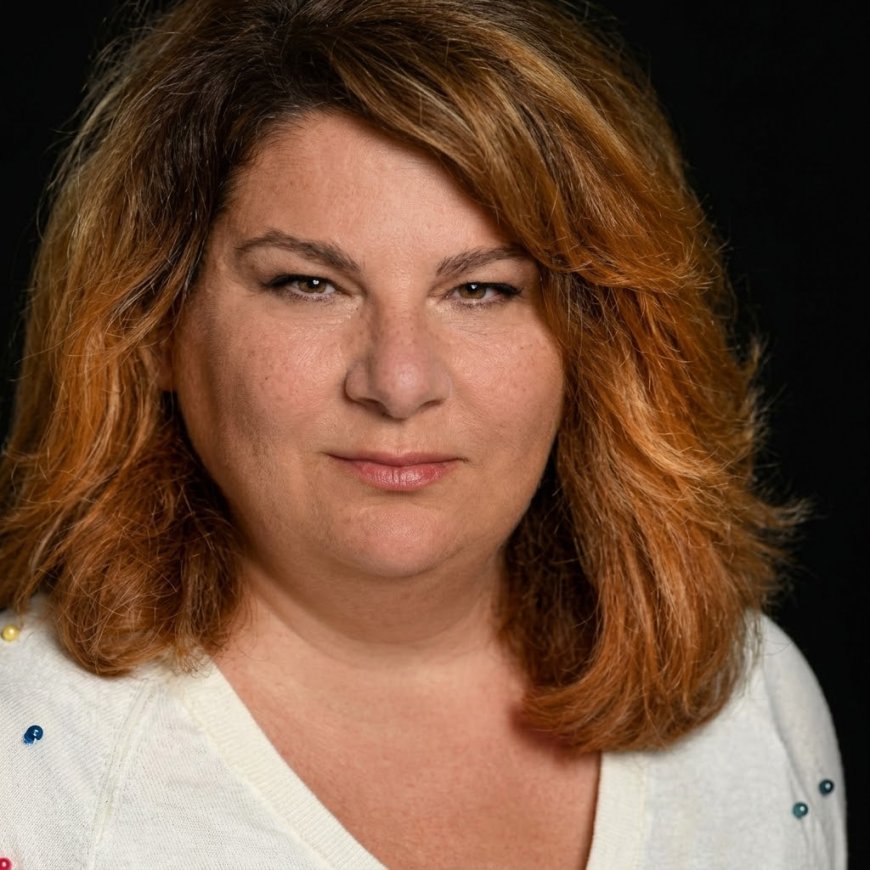
ZIMBABWE'S VIBRANT SOUL UNDER THE MICROSCOPE: UN Cultural Rights Expert Hails Our Diversity, But Warns - "Fear is Killing Creativity"
By Dr Masimba Mavaza
Harare — In a damning yet hopeful love letter to Zimbabwe's culture, the United Nations Special Rapporteur in the field of cultural rights, Ms. Alexandra Xanthaki, has delivered her preliminary verdict after a whirlwind 12-day journey from the bustling galleries of Harare to the dusty, sacred hills of Matobo and the forgotten shores of Binga.
Her message is as colourful as the nation itself: Zimbabwe is a modern, vibrant African powerhouse of music, dance, food and unstoppable creativity - but its soul is being suffocated by suspicion, red tape, and fear.
The Rapporteur, who was invited by the Government of Zimbabwe, thanked the State for opening its doors, calling it a sign of commitment to international human rights instruments. But what she found was a tale of two Zimbabwe's.
A Constitution That Sings, A Bureaucracy That Stifles
Ms. Xanthaki was effusive about Zimbabwe's Constitution. "The Constitution goes quite far in the recognition of cultural rights," she noted, calling it an important starting point. But she warned, a beautiful song written on paper means nothing if it is never sung on the ground, "for all, leaving no one and no space behind."
Her central question shook officials: What are cultural rights?
They are not just about drums and traditional dress at festivals. They are about power. They are about every Zimbabwean - from a Shona sculptor in Harare to a Tonga fisherwoman in Binga - having the right to participate in the, inception, implementation and evaluation_ of the very vision of the country.
"The Tonga woman must be brought to the decision-making table, especially for matters that affect her life. Not only through her religious or traditional leaders, but her," she declared pointedly.
Three Gates Before You Can Sing: The Death of Artistic Freedom
In the most scathing part of her observations, the UN expert laid bare the impossible obstacle course that any Zimbabwean artist must survive before they can simply perform.
Zimbabwe, she said, could be a hub for artistic expression. "People are well-educated, innovative, charismatic and vibrant."
But today, an artist needs to pass through three iron gates:
1. The PVO Act Trap: Register under the burdensome 2025 Private Voluntary Organisations Amendment Act - a law built on suspicion, not trust, which drains creative energy with mountains of paperwork.
2. The Censorship Board: Then face a Board of Censorship run with "no expertise on creative expressions" - a colonial relic she urges to be reviewed under international standards.
3. The Police Clearance: Then beg for police clearance under the Maintenance of Peace and Order Act (MOPA) to hold a cultural event.
The result? Fear. Civil society told her they fear attending cultural events, suspecting they are infiltrated by state agents.
The Great Silence: "We Have No Challenges"
Perhaps the most chilling observation was not about law, but about atmosphere.
"I heard repeatedly in meetings with state authorities that Zimbabwe faces no challenges, no opinions that may differ to that of the state, no objections... No cases of complaints, no challenges. This is worrying," she said.
Away from officials, the truth poured out. People were reluctant to speak freely "for fear that security will know and it may have negative impacts on them."
"Innovation and creativity can only thrive where there is willingness to check, criticize, push in a different direction.
When the human rights to free expression, free association and political participation are indeed shrinking, then the creation and production of innovation falls."
Who Benefits From Development?
The Rapporteur reserved her most passionate fury for what is happening in Binga, Victoria Falls and around mining concessions nationwide.
While Government preaches development as absolute priority, she asked: Who decides which development, where and for whom?
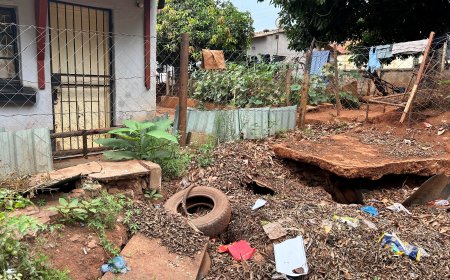
In Binga, she saw roads so broken they prevent the Tonga people from participating in their own future, yet endless vans thunder through for development projects.
In Gwayi-Shangani, relocations are presented as facts, shrines and graves destroyed or flooded, impact assessments withheld.
In Victoria Falls, a World Heritage marvel, locals cannot even afford to enter through the main gate to picnic as they used to, and warnings from UNESCO about tourism damage are "plainly rejected."
"Local populations and municipalities take very slim benefits from such important projects, raising the question of where the significant revenues flow."
She demanded Free, Prior and Informed Consent - not through chiefs alone, but from communities themselves.
The Wounds of the Past and the Pride of the Present
Ms. Xanthaki commended Zimbabwe for recognising 16 languages and teaching them in schools. She celebrated the bottom-up identification of heritage sites.
But she warned: Culture is not just performed. It is also about telling the truth about painful history.
She called for the next phase of healing the Gukurahundi Massacres (1983-1987) to move beyond community dialogue to real reparations, learning from regional examples in the region.
She also applauded efforts on gender equality and the rights of persons with disabilities and intersex persons, but insisted that Zimbabwe must dismantle structural discrimination - including against the San and Tonga, whom she said should be recognized as Indigenous peoples, and sexual minorities whose cultural rights are suppressed.
The Final Warning
As she prepares her full report for March 2027, the Rapporteur left Zimbabwe with a paradox:
This is a nation that desperately wants more visibility on the international arena, a nation whose diversity "can be an important ally for cultural rights at a time when diversity is being attacked and multilateralism doubted."
But it cannot lead the world if it is afraid of its own people.
Her final plea: Open the civic space. Let the youth who think critically not be arrested. Let the artists sing without police permission. Let the Tonga woman sit at the table.
Only then will Zimbabwe's vibrant soul truly be free.
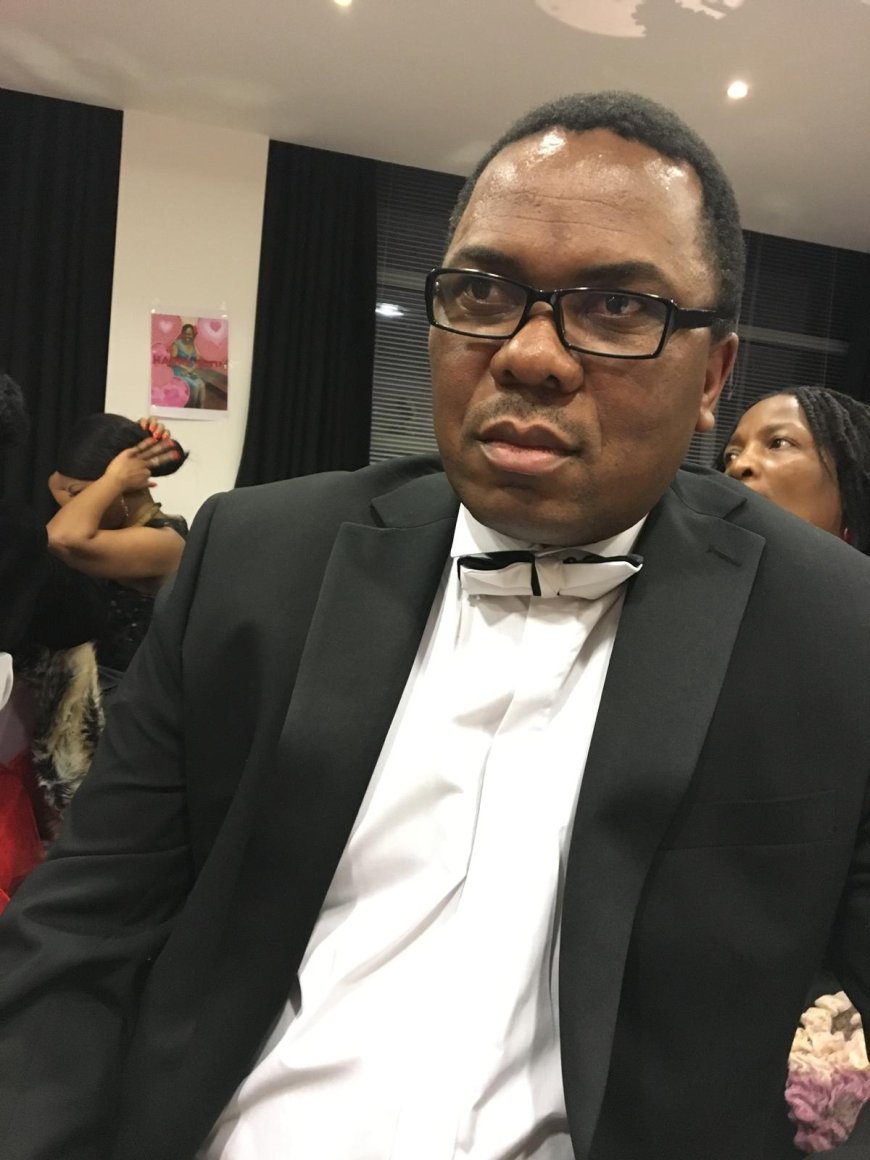 Dr. Masimba Mavaza.