The Unfinished Honour: Father Zimbabwe Still Waits for His Day
Dr. Joshua Mqabuko Nkomo’s enduring legacy and the ongoing push for Zimbabwe to declare July 1 a national public holiday in his honour.
 Dumisani Ndlovu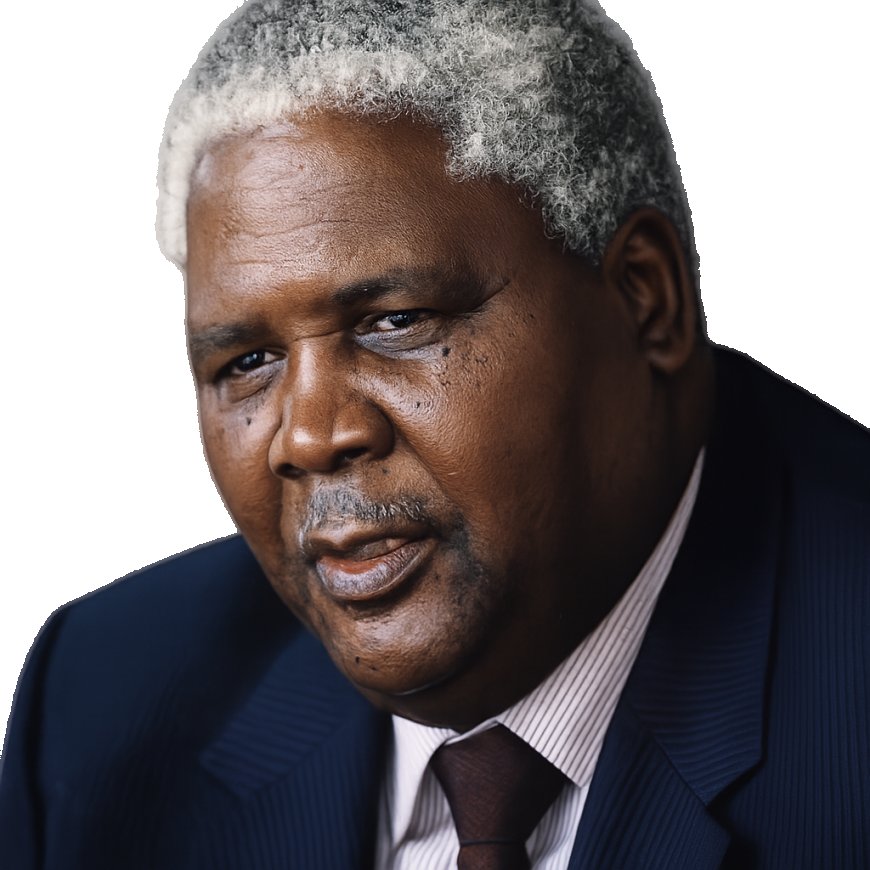
Gweru — Every year on July 1, Zimbabwe pauses, politicians lay wreaths, veterans recount stories of the liberation struggle, Churches hold memorial services, social media fills with black-and-white photographs of a towering nationalist whose deep voice once rallied a people yearning for freedom.
Across the country, one title echoes louder than any other, "Father Zimbabwe", yet by the following morning, the nation quietly returns to work, the contradiction is striking.
For a man whose life has become synonymous with sacrifice, nation-building and reconciliation, Zimbabwe still has not reserved a permanent place for him in its national calendar.
Twenty-seven years after the death of Dr. Joshua Mqabuko KaNyongolo Nkomo, the campaign to declare July 1 a national public holiday remains unfinished.
It is a question that reaches beyond politics, asks how nations remember those who shaped them.
History has a way of reducing extraordinary lives to monuments and speeches. Joshua Nkomo's story deserves far more than bronze statues and annual commemorations.
Born in 1917, Nkomo came of age in a country built on racial inequality. Long before he emerged as an international statesman, he was a railway worker and trade union organiser confronting discrimination against African workers.
Those early struggles shaped a political philosophy that would define the rest of his life, dignity was not negotiable, justice could not be postponed and freedom belonged to everyone.
That conviction transformed him into one of the principal architects of Zimbabwean nationalism.
He led mass political movements when doing so invited imprisonment. He spent years behind bars under the Rhodesian government yet refused to abandon the struggle for majority rule.
From detention and later exile, he continued guiding Zimbabwe's liberation movement while building diplomatic alliances across Africa and beyond.
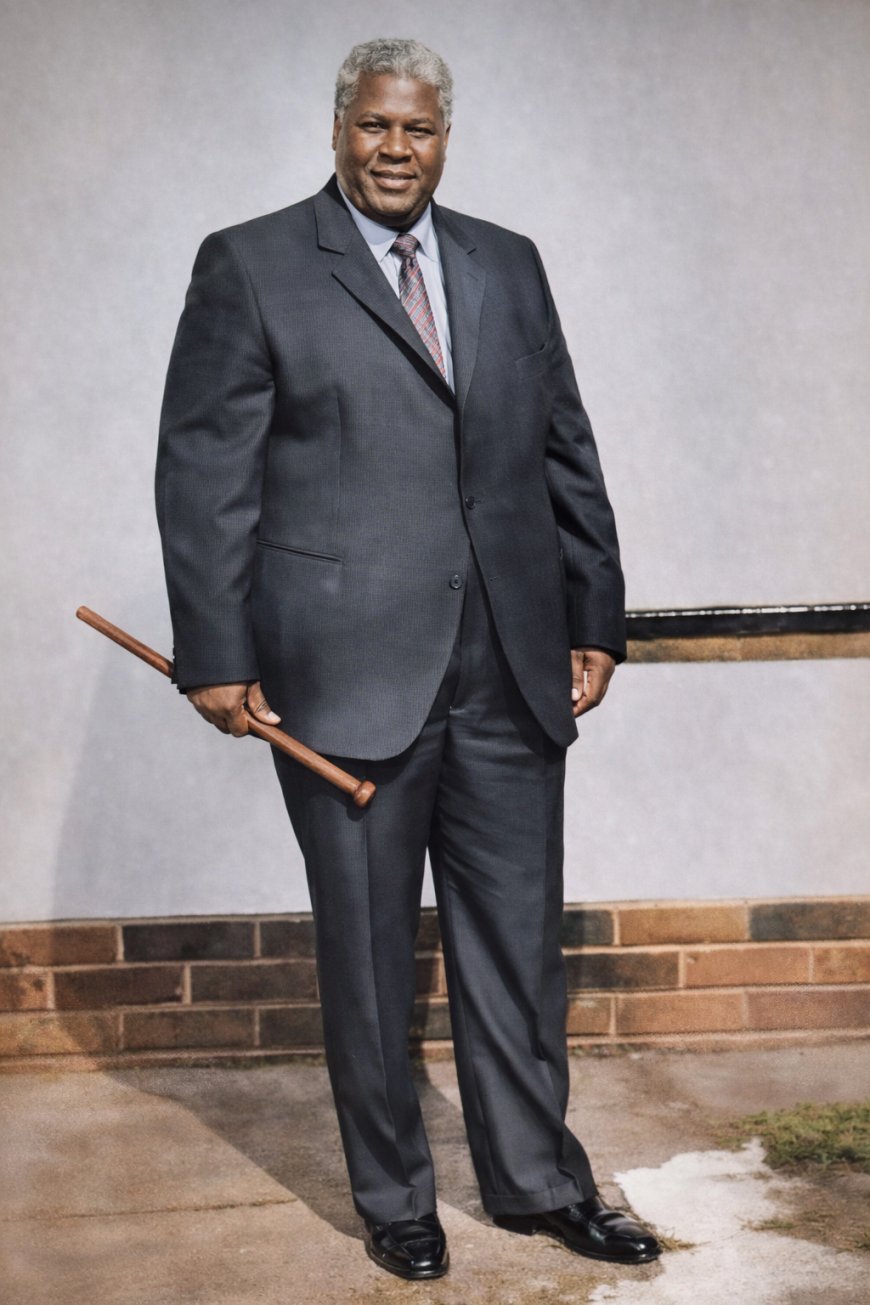 Joshua Nkomo.
His influence was not measured solely by military strength; it was measured by his ability to persuade governments, liberation movements and international partners that Zimbabwe's freedom was both necessary and inevitable.
By the time negotiations began at Lancaster House in 1979, Nkomo had become one of the indispensable voices shaping Zimbabwe's future.
Independence would eventually arrive, but his greatest challenge was still to come, for many leaders, victory marks the end of history.
For Nkomo however, it marked the beginning of an even more difficult test.
The years after independence brought political conflict, mistrust and one of the darkest chapters in Zimbabwe's history.
Amid violence, division and profound personal suffering, Nkomo could easily have embraced permanent confrontation but instead, he chose reconciliation.
His role in the 1987 Unity Accord continues to generate debate among historians and politicians alike.
But beyond those debates lies an undeniable truth, throughout his political life, Nkomo consistently argued that no lasting future could be built on perpetual national division.
That belief became the defining feature of his legacy. He imagined a Zimbabwe where tribe would never determine citizenship, where political disagreement would not erase national belonging and where unity would become the country's greatest strength rather than its greatest challenge.
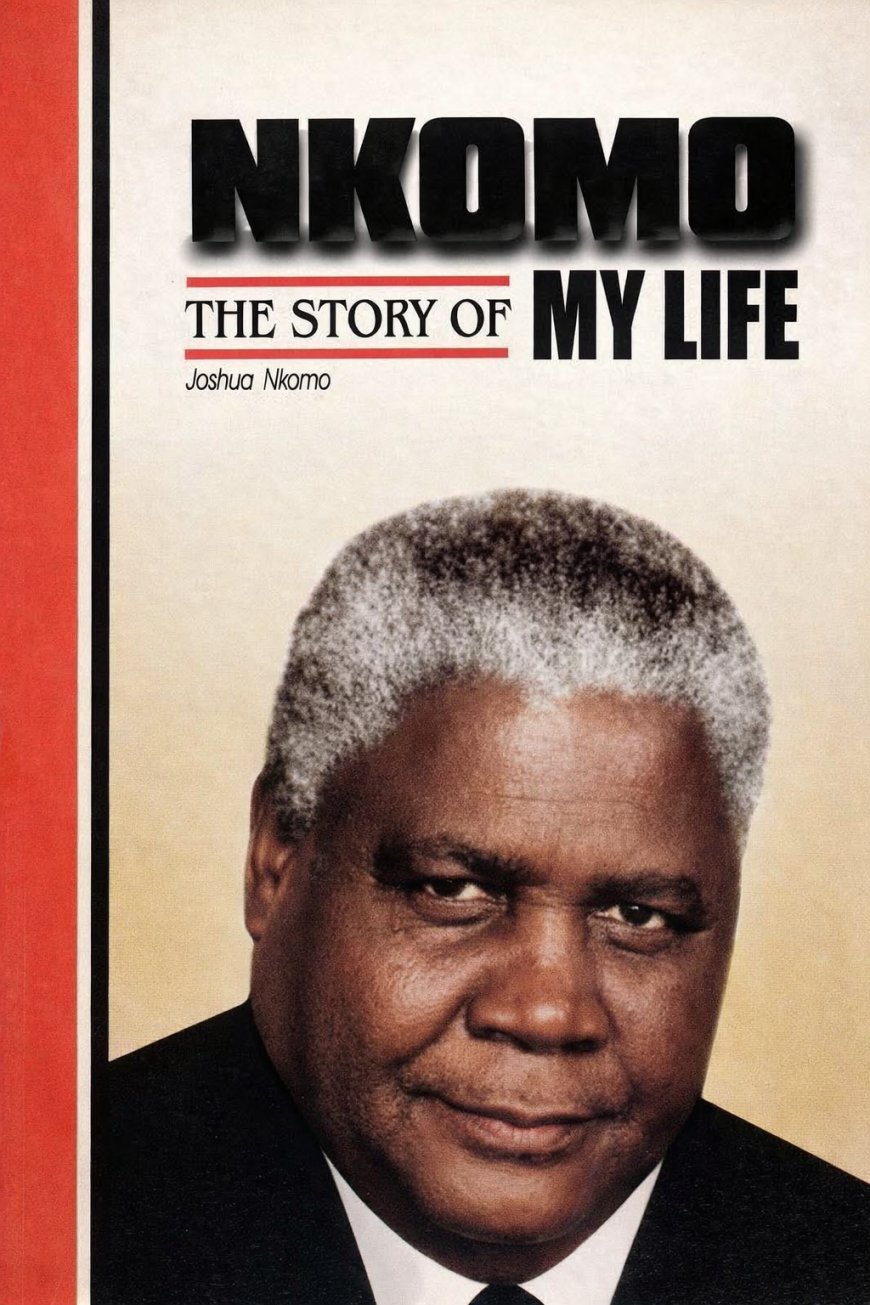
His famous words in "The Story of My Life" remain remarkably relevant decades later.
He envisioned one nation where every Zimbabwean,bregardless of race, ethnicity or language, would enjoy equal rights, equal opportunities and equal dignity.
That vision explains why Joshua Nkomo gradually ceased to be remembered simply as a politician, he became Father Zimbabwe.
Few liberation leaders have received as many symbolic honours. Bulawayo's international airport bears his name.
Streets have been renamed in his memory. His imposing statue watches over the city where much of his political journey unfolded, Bulawayo, while his former home has became a museum preserving the story of his remarkable life.
These memorials acknowledge history but they do not complete it.
National holidays occupy a different place in public memory. They are moments when an entire nation deliberately stops, reflects and teaches a new generation why certain lives continue to matter.
They are instruments of public policy as much as remembrance.
Every country chooses its civic calendar carefully because it communicates national values.
Public holidays identify the people and events considered fundamental to the nation's identity.
If Zimbabwe genuinely believes Joshua Nkomo was Father Zimbabwe, then the logic naturally follows that his day should become part of that civic calendar.
Such recognition would not belong to one political party or one region but Zimbabwe.
It would remind future generations that independence was secured through collective sacrifice, that unity often demands courage and that leadership is measured not only by victories won but by divisions healed.
The campaign to declare July 1 a public holiday has persisted for years.
His family has appealed for it, liberation veterans have supported it, civic organisations have renewed the call and political voices from different traditions have argued that honouring Nkomo strengthens, rather than weakens, Zimbabwe's shared national story.
The consensus has largely been built.
Twenty-seven years after his death, the unfinished question is no longer whether Joshua Nkomo deserves such recognition.
His place in Zimbabwe's history was secured decades ago. The real question is whether Zimbabwe is prepared to align its laws with its own national memory.
Every 1st of July, the country tells the world that Joshua Nkomo was Father Zimbabwe. One day, the national calendar should say the same.
For some honours become less meaningful when delayed, this one grows more necessary with every passing year.