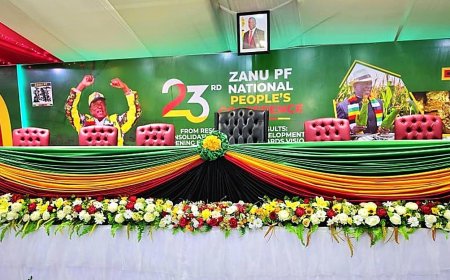
Mnangagwa Signs Constitutional Amendment No. 3 Into Law
President Emmerson Mnangagwa on Tuesday, July 7, 2026, signed Constitutional Amendment Bill No. 3 (CAB3) into law, becoming an Act of Parliament, triggering nationwide debate over Zimbabwe's political future, constitutional reforms, governance, elections and presidential succession.
 Dumisani Ndlovu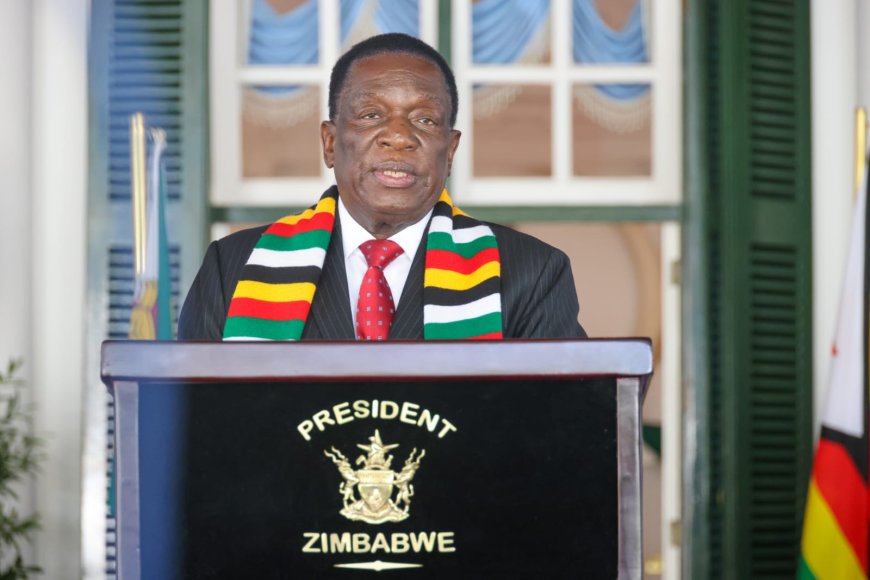
Harare — Zimbabwe's political landscape has entered a new phase following President Emmerson Dambudzo Mnangagwa's assent to the Constitutional Amendment Bill No. 3 on Tuesda, July 7, a development that has ignited widespread debate over the country's constitutional future, democratic governance and political succession.
The new law, which has become an Act, is one contentious constitutional change in recent years, drawing contrasting reactions from the ruling party, opposition political parties, constitutional experts and civil society organisations.
Supporters of the new Act say it is a lawful constitutional reform designed to strengthen governance, improve institutional efficiency and provide continuity in the administration of national affairs.
They argue that the changes were enacted through Parliament in accordance with constitutional procedures.
However, critics contend that the amendment significantly alters Zimbabwe's political framework and could have far-reaching implications for elections, presidential succession and democratic accountability.
Opposition parties and governance analysts have questioned whether the reforms enhance or weaken constitutional checks and balances.
The enactment of the law has also intensified debate over the future of political leadership within the ruling ZANU-PF party.
Political commentators have offered differing interpretations of how the constitutional changes could influence future succession dynamics, with some suggesting they may reshape the path to the country's highest office.
Others argue that the reforms reinforce President Mnangagwa's influence over Zimbabwe's political trajectory.
Attention has also turned to the implications for the opposition, with analysts divided over how the new constitutional framework may affect future political competition.