Young Australian Carers Say They Have Lost Part of Their Childhood
By Harry Taruva — A new Carer Wellbeing Survey shows 65% of young Australian carers feel they have missed out on part of their childhood, up from 54% in 2025. Nearly half of young carers in education feel behind in their studies.
 Harry Taruva
Canberra — Almost two-thirds of young carers in Australia feel they have missed out on part of their childhood because of their caring responsibilities, with new data also showing growing challenges in education and employment.
The preliminary findings from the 2026 Carer Wellbeing Survey, released by Carers Australia on Monday, October 12, show that 65% of young carers surveyed felt they had missed out on some of their childhood, up from 54% in 2025.
The findings highlight the pressures facing the country's nearly 400,000 young carers as Australia marks National Carers Week, which runs from October 11 to 17.
The survey also found that 46% of young carers in secondary or tertiary education felt behind in their studies because of their caring responsibilities, up from 42% last year.
Employment is another area of concern, with half of young carers reporting that they could not work as much as they wanted because of their caring roles, compared with 41% in 2025.
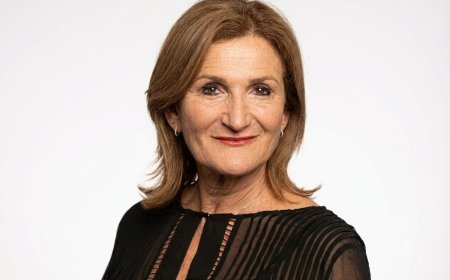
Carers Australia Chief Executive, Joanna Cave, said the findings underscored the need for greater recognition and support to help young carers participate fully in education and employment.
“This National Carers Week we’re asking Australians to Care for a carer, making carers visible.
"We need to do more within our education and health systems to recognise, listen to, and support young carers to thrive alongside their caring roles,” Cave said.
Young carers often shoulder responsibilities beyond those typically expected of their peers, including attending medical appointments, managing family finances and administrative tasks, and overseeing siblings’ activities and school needs.
These duties can compete with their own education and social lives, affecting their ability to attend school or university and maintain friendships.
Cave said caring could be isolating, with disrupted education potentially leading to poorer outcomes and increasing the risk of long-term dependence on income support.
The survey also raised concerns about young carers' involvement in decisions concerning the people they support.
Only 53% said they felt included in planning and decisions about the person they cared for, down from 67% in 2025.
Just 44% reported being treated with respect as young carers, while 46% said their opinions and concerns were heard and acknowledged.
The findings suggest that many young carers continue to face difficulties having their needs recognised while carrying out essential responsibilities within their families.
Access to peer support has also declined. Only 18% of young carers said they could connect with others in similar circumstances through peer support groups, down from 30% last year.
However, 54% said they could easily make friends with young people who were not carers, indicating that many could still establish social connections outside their caring responsibilities.
Cave said existing support measures included the Australian Government-funded Young Carer Bursary, information and assistance through the Young Carer Network and services available through Carer Gateway.
These services include counselling, coaching, peer support and referrals to respite care.
“These are all helpful initiatives, but we would like to see more,” she said.
Cave said young people should not face disadvantages because of their caring responsibilities, calling for targeted assistance to help them balance family duties with education, employment and social development.
“Young carers should not be disadvantaged because they take on a caring role.
"By making young carers visible, we can ensure they get the support they need to balance education with caring, build strong social bonds and reach their full potential.
"Targeted supports that improve young carers’ education and employment outcomes will also benefit the Australian community,” she said.
The Carer Wellbeing Survey received responses from 7,942 current carers and 1,266 former carers.
It is supported by the Australian Government Department of Health, Disability and Ageing and prepared by the WellRes Unit at the University of Canberra's Health Research Institute for Carers Australia.
The research was partially funded by the Australian Research Council and conducted in partnership with the University of Canberra, Carers Australia and the Department of Health, Disability and Ageing.
Carers Australia is the national peak body representing carers and advocating for policies and services at the national level.
Its National Carer Network comprises Carers Newd South Waled, Carers ACT, Carers Victoria, Carers Tasmania, Carers South Australia, Carers West Australia and Carers Queensland, which deliver carer services across Australia's states and territories.
Carers Australia said the figures represented a preliminary data release and remained subject to change.