Australia Senate Rejects Proposed Health Insurance Rebate Cuts for Older Australians
By Harry Taruva — Australia’s Senate has removed proposed private health insurance rebate cuts for older Australians from its legislative agenda following opposition from independent Member of Parliament, Dr. Monique Ryan, health insurers and community groups. The proposed changes aimed to save about $3 billion, but critics warned they could make cover unaffordable for pensioners and push more patients towards public hospitals.
 Delicious Mathuthu
Canberra — Australia’s Senate has rejected proposed cuts to private health insurance rebates for older Australians, dealing a setback to the Federal Government’s plan to save about AU$3 billion through changes to the scheme.
The decision follows mounting opposition from independent Member of Parliament, Dr. Monique Ryan, health insurance providers and community groups, who warned that the changes could make private cover unaffordable for thousands of pensioners.
The motion, introduced by Senators Jacqui Lambie and Anne Ruston on Wednesday, October 14, removed the Health Insurance Amendment (Incentive Payments and Other Measures) Bill 2026, from the Senate Notice Paper, taking it off the chamber’s legislative agenda.
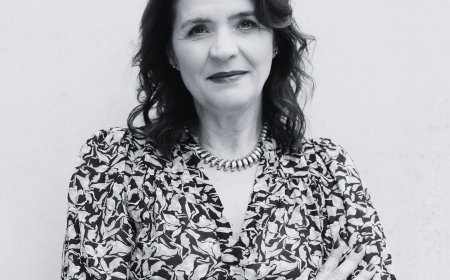
Ryan, the independent Federal Member for Kooyong, welcomed the outcome, saying the proposed cuts would have disproportionately affected older Australians who rely on private health insurance during retirement.
“It's unfair and unreasonable to strip support from older Australians who have worked for decades to retain their private health cover in retirement,” Ryan said.
A Parliamentary Budget Office analysis commissioned by Ryan estimated that older Australians would have borne half of the Government’s planned AU$3 billion in savings, raising concerns about the financial impact on pensioners with limited capacity to absorb rising healthcare costs.
Ryan also challenged the Government’s assessment of how many people could abandon private health insurance if the proposed changes proceeded.
She said the Government had estimated that 44,000 older Australians might drop their cover, while figures from the Department of Health put the potential number closer to 80,000.
Ryan warned that a shift away from private insurance could place additional pressure on public hospitals, while the Government had not disclosed the potential cost to state health systems.
“The Parliament needed to block this bill to protect older Australians. I’m relieved the Senate has done just that,” she said.
She acknowledged the broader challenges facing Australia’s private health insurance system but argued that pensioners should not bear the burden of government savings.
“Every year we pay more and get less. But the Government shouldn't be looking for savings in the pockets of vulnerable older Australians,” Ryan said.
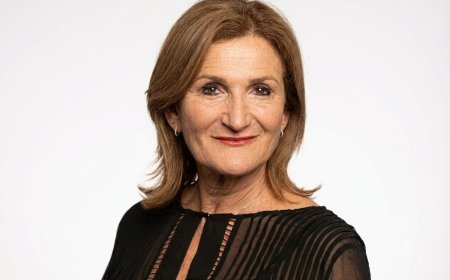
Private Healthcare Australia (PHA), which represents private health insurers, also welcomed the Senate’s decision, saying older Australians and their supporters had made their concerns clear.
PHA chief executive Dr. Rachel David thanked pensioners, families, health professionals and community organisations who had campaigned against the proposed changes, including more than 1.5 million pensioners who could have been affected.
“This is a powerful demonstration of how much older Australians value their health insurance and the security, choice and access to care it provides,” David said.
She said health funds recognised the challenges posed by an ageing population and the growing demand for treatment of complex chronic conditions.
PHA said the industry was prepared to work with the Government on reforms that would maintain access to care while ensuring the long-term sustainability of Australia’s healthcare system.
However, David stressed that meaningful reform required consultation with insurers, older Australians, clinicians and other stakeholders to assess the consequences of policy changes and identify workable alternatives.
The Senate decision removes the proposed measures from the chamber’s current agenda, but the debate over private health insurance affordability and the sustainability of Australia’s healthcare system remains unresolved.