SADC Calls for Peace and Unity as Zambia Goes for Polls
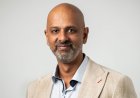
Zambians cast ballots in general elections today, 13 August 2026, as SADC Chair Professor Arthur Peter Mutharika calls for peace, tolerance and full voter participation amid Hichilema’s bid for a second term.
 Delicious Mathuthu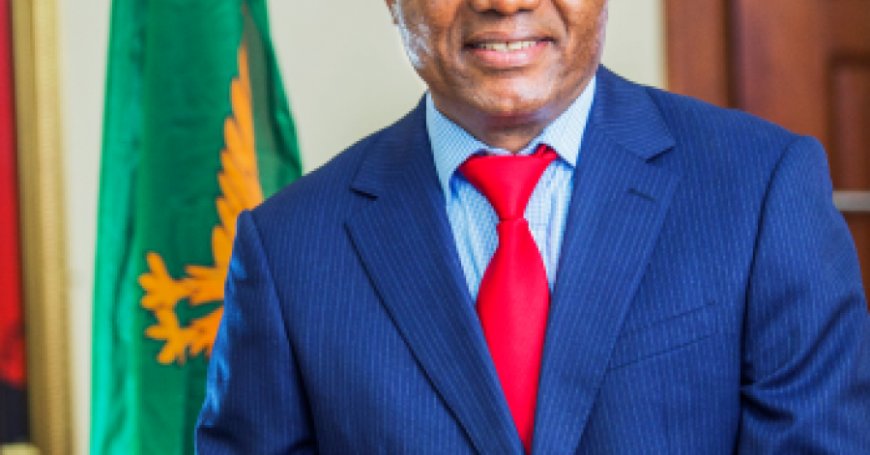
Lusaka — As Zambians across the nation are casting their ballots today in the country’s general elections, with President Hakainde Hichilema seeking a second term, the Southern African Development Community (SADC) has called for peace, tolerance and unity before, during and after voting.
Polling stations opened at 6am local time and are scheduled to close at 6pm, with approximately 8.7 million registered voters eligible to elect a president, members of an expanded National Assembly and local government representatives.
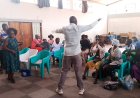
Early reports from Lusaka and other centres indicated steady queues under cool morning conditions, with voters expressing determination to participate in what analysts describe as a critical test of Zambia’s democratic stability and economic recovery.
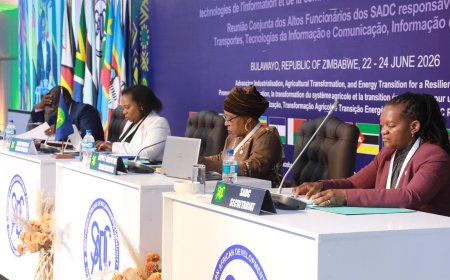
In a statement issued on the eve of the polls, His Excellency, Professor Arthur Peter Mutharika, President of the Republic of Malawi and Chairperson of the SADC Organ on Politics, Defence and Security Cooperation, stressed the regional significance of the election and appealed for calm.
“I am honoured to address fellow citizens of the Southern African Development Community (SADC) as the Chairperson of the SADC Organ on Politics, Defence and Security Cooperation,” Professor Mutharika said.
“... in accordance with their Constitution, the people of the Republic of Zambia are set to hold their General Election on August 13, 2026.
"This is the sole scheduled general election for the year within the SADC region, and most SADC Member States demonstrated their unity by deploying a large number of election observers to participate in the SADC Electoral Observation Mission (SEOM)," he said.
The SADC Chairperson highlighted the role of the observation mission in upholding democratic standards.
“The SEOM is a key part of our community, aimed at strengthening democracy through regular, credible, free, fair and transparent elections.
"These elections support stable political and economic transitions.
Therefore, the SEOM follows the SADC Principles and Guidelines for Democratic Elections, which also emphasise the importance of full and inclusive citizen participation in electoral and democratic processes across all Member States," Professor Mutharika said.
His core message centred on peace.
“My message today is to emphasise the importance of utmost respect for peace and tolerance, both during and after election day.
I encourage all eligible voters in Zambia to seize this opportunity to directly influence their country’s leadership by voting peacefully on August 13th, 2026.”
President Hichilema of the United Party for National Development (UPND) is seeking re-election after assuming office in 2021.
His administration has been credited with debt restructuring and macroeconomic stabilisation following Zambia’s 2020 sovereign default, including a decline in inflation and a stronger kwacha.
However, many citizens continue to cite high living costs, food and energy prices, and unemployment as pressing concerns.
The main challenger is Brian Mundubile, a first-time presidential candidate representing an opposition alliance under the National Reconciliation Party for Unity and Prosperity (NRPUP).
Fourteen candidates are on the presidential ballot. Voters are also electi g representatives for 226 constituency seats in the National Assembly, up from 156, plus additional seats allocated through proportional representation for women, youth and persons with disabilities under recent constitutional reforms.
A candidate requires more than 50 percent of the valid votes to secure an outright presidential victory; failure to do so would trigger a run-off within 37 days.
Results are expected by 17 August, according to the Electoral Commission of Zambia.
International and regional observers, including the SADC Electoral Observation Mission, the European Union and other missions, are monitoring the process.
The elections are being conducted under Zambia’s updated mixed-member electoral system, designed to enhance inclusivity.