ARTISTS AS AGENTS OF CHANGE: How Creative Minds Can Invest in Society, Give Voice to the Voiceless
By Siphosami Ndlovu — Artists can help tackle gender-based violence, child marriage and drug abuse while creating opportunities for young people through mentorship, community investment and creative entrepreneurship. Exploring how musicians, filmmakers, writers and other creatives can use their influence to amplify marginalised voices, promote social development and build lasting community impact.
 Kwedu News
By Siphosami Ndlovu
Beyond the stage, the microphone and the applause, artists have a responsibility to reflect society, challenge social ills, invest in their communities and create opportunities for the next generation.
There is a special power in a song that speaks to a mother's pain, a film that exposes the dangers of child marriage, a poem that challenges gender-based violence, or a theatre performance that forces a community to confront the devastating effects of drug and substance abuse.
These are not merely acts of creativity. They are acts of social responsibility.
Artists occupy a unique position in society. They entertain, educate, influence opinions and preserve the stories of their communities.
Through music, film, dance, theatre, poetry, visual arts and other creative expressions, they can communicate difficult truths in ways that ordinary conversations sometimes cannot.
They can turn silence into dialogue, pain into awareness and ideas into action.
Yet, in a world where artistic success is often measured by popularity, social media following, awards and financial returns, an important question remains: What happens when the artist looks beyond personal success and begins to invest in the future of society?
The answer lies in understanding that the true calling of an artist extends far beyond entertainment.
The Artist as a Mirror of Society
An artist is not separated from the community. The artist lives among its people, breathes the same air, experiences its challenges and witnesses its triumphs.
The struggles of ordinary citizens are not distant stories; they are part of the environment from which meaningful art emerges.
For this reason, artists mirror the realities of the societies in which they live. When communities are confronted by injustice, poverty, violence, unemployment, substance abuse or inequality, creative expression has a role to play in documenting those experiences and encouraging conversations about possible solutions.
Art becomes a historical record of the times. Years after a particular event has passed, a song, painting, documentary or play can preserve the emotions, experiences and struggles of the people who lived through it.
In this sense, artists are storytellers of the present and custodians of collective memory. They help society understand not only what is happening, but also how those events affect human lives.
Consider gender-based violence. A song that tells the story of a survivor can challenge harmful attitudes, encourage victims to seek support and remind communities that abuse should never be normalised.
A film can expose the emotional and economic consequences of violence within families.
A theatre production can create a safe starting point for conversations about consent, respect and accountability.
Similarly, artists can use their platforms to address child marriage, a practice that can interrupt education, threaten the health and well-being of children and deprive young people of opportunities to shape their own futures.
Through storytelling, artists can humanise the experiences behind the statistics and help communities recognise the importance of protecting children's rights.
Drug and substance abuse is another pressing concern. Young people struggling with addiction often face stigma, rejection and limited access to support.
Music, film, spoken-word poetry and community theatre can explore the pressures that contribute to substance misuse, highlight its consequences and encourage affected individuals to seek appropriate assistance.
However, the responsibility of an artist is not simply to expose society's wounds. It is also to encourage healing.
Art that raises awareness should create room for hope, recovery, dialogue and practical action. The artist must be willing to tell difficult stories while helping audiences imagine a better future.
The Artist as the Mouthpiece of the Voiceless
Every society has people whose experiences remain unheard. They include vulnerable children, survivors of abuse, unemployed young people, people with disabilities, struggling families and communities that feel excluded from important decisions, among others.
Artists can help bring these experiences into public consciousness.
A microphone is more than a tool for performance. In the hands of a socially conscious artist, it can become a platform for people whose concerns are often overlooked.
A camera can document realities that might otherwise remain hidden. A pen can challenge injustice. A stage can provide space for conversations that communities have avoided for years.
This is where the artist's influence becomes especially important.
Artists often communicate with audiences that traditional institutions and formal public messages struggle to reach.
A message delivered through a relatable song, compelling drama or powerful poem can resonate emotionally and encourage people to reconsider their attitudes.
But being a mouthpiece does not mean speaking over the people one seeks to represent. It means listening to their experiences, respecting their dignity and helping them tell their own stories.
Artists must therefore approach social issues with sensitivity, accuracy and responsibility.
Survivors of gender-based violence, for example, should not have their suffering turned into sensational entertainment.
Children affected by abuse deserve protection, not exploitation. Communities facing poverty or addiction should be portrayed with dignity rather than reduced to stereotypes.
The strongest socially conscious art does not merely speak about people. It recognises their humanity and gives them room to be heard.
Beyond the message: Artists must Invest in their Communities
If artists are expected to contribute to social development, their role must go beyond writing lyrics about poverty, performing songs about unemployment or producing films that expose injustice.
They can also become investors in the communities that inspire their work.
Investment does not always begin with large amounts of money. It can start with time, knowledge, mentorship, equipment, professional networks and access to creative spaces.
An established musician can mentor emerging performers. A filmmaker can train young people in camera operation, editing and scriptwriting.
A visual artist can organise workshops for schoolchildren. A theatre practitioner can help young people develop public-speaking skills, confidence and teamwork.
These activities can create pathways into employment while strengthening the local creative economy.
Artists can also establish or support community initiatives that provide practical assistance.
Depending on their resources and expertise, they might contribute to educational programmes, support shelters, partner with organisations addressing gender-based violence, or help community groups communicate important public-health messages.
In rural communities and high-density urban neighbourhoods, even modest creative initiatives can introduce young people to new skills and possibilities.
Imagine a young person who has talent but cannot afford professional training, recording equipment or access to industry networks.
An artist who offers mentorship, facilitates a training opportunity or connects that young person with a credible programme may help change the direction of an entire career.
The impact extends beyond the individual. That young person may eventually employ others, train new artists, support a family and reinvest in the same community.
This is how artistic influence can become a lasting social investment.
Turning Creativity into Economic Opportunity
The creative sector is not only a source of entertainment; it can also contribute to economic development.
Behind every successful production is a network of people whose skills make the final product possible. A music video may employ a director, camera operator, editor, make-up artist, stylist, dancer, driver and catering team.
A theatre production may create work for actors, costume designers, lighting technicians, stage managers and marketers.
Film, music, fashion, photography, animation, crafts and digital content can all create opportunities for entrepreneurship and employment.
Artists who understand this potential can become more than performers. They can become business owners, employers, mentors and partners in local development.
For example, an artist organising a community festival can deliberately prioritise local service providers, emerging performers, small businesses and young technical professionals.
A filmmaker can create internship opportunities for aspiring crew members.
A musician can work with local designers and producers, helping to circulate income within the community.
The opportunity is to build creative enterprises that are commercially sustainable while remaining socially responsible.
Artists should also be encouraged to develop business skills, understand contracts, protect their intellectual property and build partnerships with credible organisations.
Creative talent deserves fair compensation, and social impact should not require artists to neglect their own financial well-being.
Indeed, financially sustainable artists may be better positioned to invest consistently in the communities around them.
Local Development begins with Local stories
Development is often discussed in terms of roads, schools, hospitals, infrastructure and public services. These are essential, but development also involves identity, participation, community confidence and the ability of people to imagine a better future.
Artists can contribute by telling local stories, celebrating cultural heritage, documenting community challenges and promoting constructive civic participation.
A documentary about a community's water challenges can draw attention to residents' experiences. A song celebrating local entrepreneurs can inspire pride and encourage people to support home-grown businesses.
A photography exhibition can preserve cultural practices for future generations. A theatre performance can bring residents together to discuss youth unemployment, environmental protection or the responsible use of public resources.
Such initiatives can strengthen the connection between communities and their development priorities.
Artists can also collaborate with schools, local authorities, civil society organisations, businesses and development agencies to design programmes that combine creative expression with practical community engagement.
The important point is that artists do not have to solve every social problem alone. Their strength often lies in making issues visible, bringing people together and helping communities participate in the search for solutions.
Art can open the conversation. Partnerships can help turn that conversation into action.
Entertainment Still Matters — But it must carry Responsibility
None of this means that entertainment is unimportant.
People need laughter, music, dance, celebration and moments of escape from the pressures of daily life. Entertainment brings people together, creates cultural identity and provides livelihoods for thousands of people working in the creative industries.
Artists should be free to create work that entertains without being expected to turn every performance into a social lecture.
However, the influence that comes with public visibility also creates opportunities for responsible engagement.
An artist can entertain and educate at the same time. A comedy performance can challenge prejudice. A popular song can promote mutual respect. A drama series can address family conflict without losing its appeal. A festival can celebrate culture while creating opportunities for emerging talent.
The goal is not to eliminate entertainment but to recognise its broader potential.
When artists combine creativity with purpose, entertainment can become a bridge between social awareness and public participation.
The Danger of Silence and Irresponsible Influence
Artists are not obligated to comment on every public issue, and no single creative work can resolve complex social problems.
Nevertheless, the collective influence of the creative community should not be underestimated.
When artists consistently ignore the realities around them, important stories may remain untold. When they promote harmful stereotypes, normalise violence or glorify destructive behaviour without context, their influence can contribute to damaging attitudes.
This does not mean that art should be censored or reduced to moral instruction. It means that artists, like other influential members of society, should reflect on the possible consequences of their work.
Freedom of expression and social responsibility can coexist.
Artists can question authority, challenge cultural practices, expose injustice and provoke uncomfortable discussions. They can also recognise the difference between challenging society and exploiting its suffering for attention.
The responsibility is not to make art that pleases everyone. It is to create work that is honest, thoughtful and conscious of its place in the world.
A New Generation of Artists Must Think Beyond Fame
The future of the creative industry depends partly on how emerging artists understand success.
Fame may bring recognition, but influence can be used to achieve something more enduring. Financial success can provide personal security, but it can also create opportunities for others.
A popular platform can attract audiences, but it can also direct attention towards overlooked issues and emerging talent.
Young artists should therefore be encouraged to build careers that combine creativity, professionalism, entrepreneurship and community engagement.
Arts organisations, educational institutions, businesses and development partners can support this process by providing training, funding, mentorship and access to markets.
Established artists, meanwhile, can help open doors for emerging talent by sharing knowledge, creating fair opportunities and resisting practices that exploit inexperienced creatives.
The industry becomes stronger when success is not treated as a private achievement alone, but as a foundation upon which others can build.
The True Measure of an Artist's Legacy
Years from now, audiences may remember an artist's biggest hit, most celebrated performance or most successful film. But communities may remember something else: the young people who received mentorship, the difficult conversations that finally began, the local talent that found employment, or the community initiative that gave people renewed hope.
That is the deeper possibility of artistic influence.
Artists are mirrors of society, but they can also be its storytellers, challengers, educators, entrepreneurs and partners in development.
They can give language to pain, visibility to injustice, dignity to neglected experiences and opportunity to people who might otherwise be overlooked.
Gender-based violence, child marriage and drug and substance abuse are not merely themes for songs or scripts.
They are realities affecting families and communities. Addressing them requires collective effort from families, schools, governments, civil society, service providers and communities themselves.
Artists can contribute by raising awareness, encouraging dialogue, directing people towards credible support and helping build a culture that rejects harm.
At the same time, investment in education, mentorship, local enterprise and emerging creative talent can transform artistic influence into tangible opportunity.
The question, therefore, is not whether artists have the power to influence society. Their work already reaches people's emotions, beliefs and imaginations.
The question is what they choose to do with that power.
An artist's greatest contribution may not be measured only by the applause received on stage, but by the opportunities created offstage, the voices amplified beyond the microphone and the positive change that continues long after the performance has ended.
Because when artists invest in people, speak honestly about society and use their creativity to open doors for others, they do more than entertain the world.
They help build it.
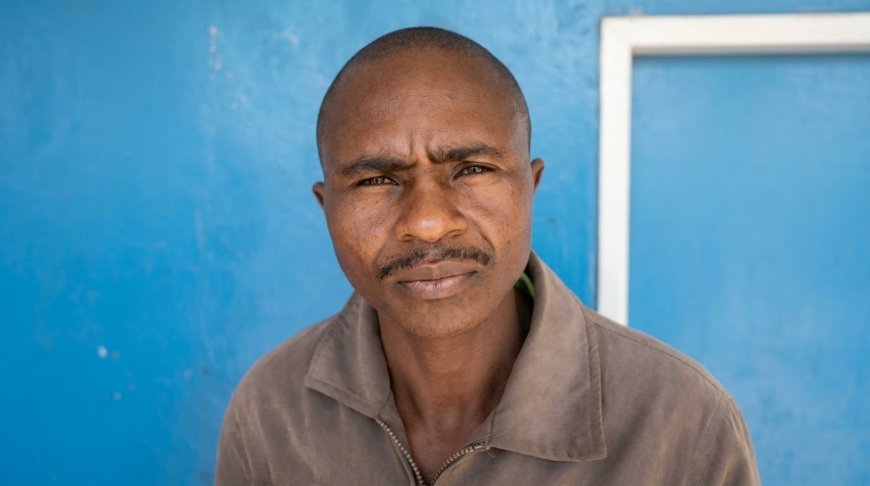 Siphosami Ndlovu is a seasoned performing artist, author, arts director and producer.