World Bank Warns Zimbabwe Poverty Remains High Despite Economic Growth
By Delicious Mathuthu — Zimbabwe’s poverty rate was estimated at 60.5 percent in 2025 despite strong economic growth, according to the World Bank. Rural communities and children face the highest poverty levels, while limited formal employment, climate risks and inadequate social protection threaten efforts to improve living standards.
 Delicious Mathuthu
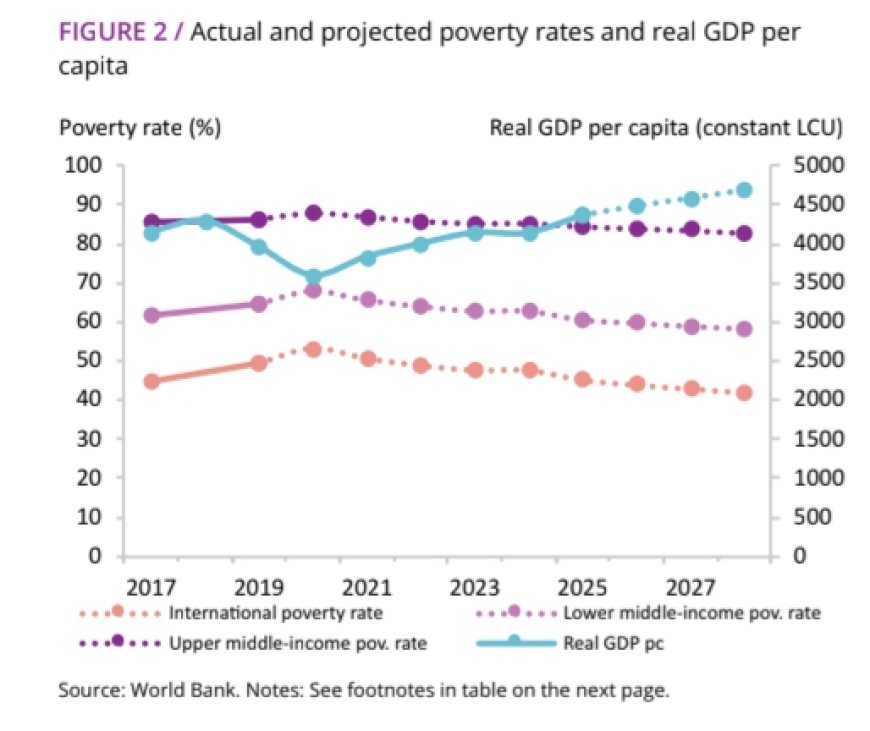
Harare — The World Bank’s October 2026 Poverty and Equity Brief has revealed that more than six in every 10 Zimbabweans were estimated to be living below the international lower-middle-income poverty line in 2025, despite strong economic growth, highlighting the limited gains in household welfare from the country’s recovery.
The Bank’s April 2026 Macro Poverty Outlook estimated that 60.5% of Zimbabwe’s population lived on less than US$4.20 a day in 2025, with the rate projected to decline marginally to 59.7% percent in 2026.
The bank estimated that Zimbabwe’s economy grew by 7.5% in 2025, driven by a strong agricultural recovery, mining activity, growth in services, improved electricity generation and rising remittances.
"Zimbabwe’s GDP (Gross Domestic Product) growth rebounded strongly to an estimated 7.5 percent in 2025, driven by agriculture, mining and services growth.
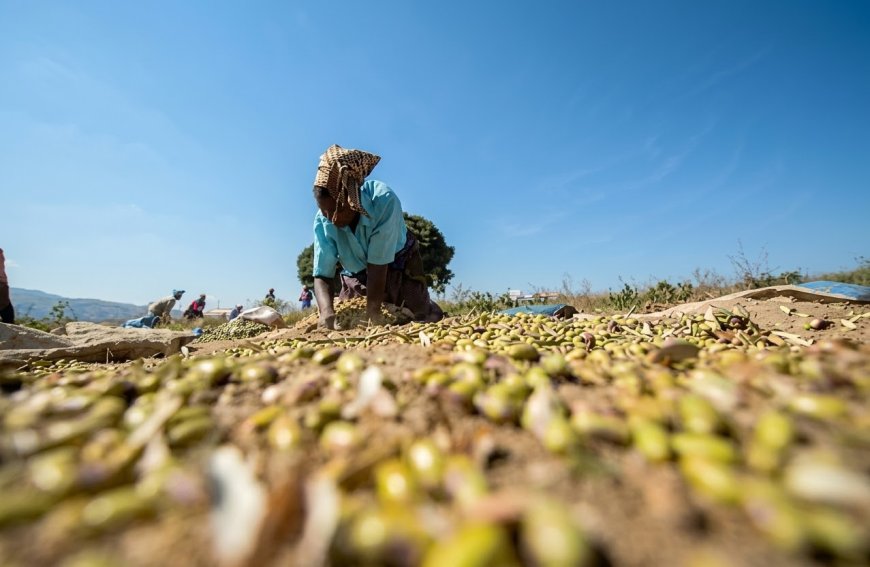
"Agriculture, which had contracted by 18.1 percent in 2024, grew by an estimated 22.8 percent in 2025 thanks to a good rainy season; Maize and tobacco grew by 157 percent and 53 percent respectively, in 2025," the World Bank said.
"The mining sector benefited from high gold and platinum group minerals (PGM) prices while growing remittances supported domestic consumption.
"Improved electricity generation supported growth in manufacturing and industry," the bank said.
However, the continued high poverty rate reflects persistent structural challenges, the brief revealed, including dependence on low-productivity agriculture, inadequate productive employment and vulnerability to economic and climatic shocks, the brief revealed.
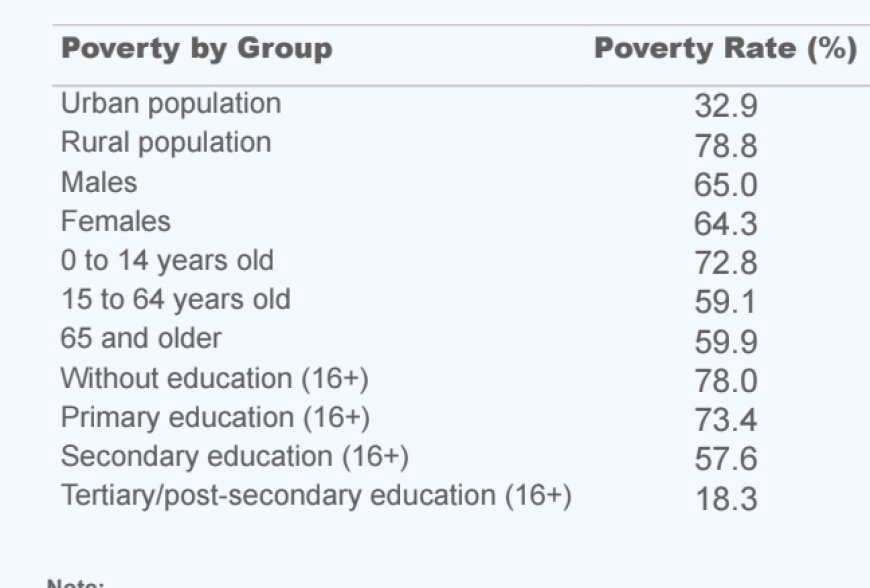
The World Bank’s October 2026 Poverty and Equity Brief also identifies rural communities, children and people with limited education among the groups facing the greatest deprivation.
Using the US$4.20-a-day poverty threshold, the brief puts the poverty rate at 78.8% in rural areas, compared with 32.9% in urban areas.
Among children aged 14 and below, the rate stood at 72.8%.
The bank says agriculture remains a major source of employment but generally generates low incomes, while formal off-farm jobs account for only 12 to 13% of rural employment.
"Zimbabwe’s poverty rate remains persistently high compared to its comparators due to a high dependence on low-productivity agriculture, slow structural transformation, lack of productive jobs and vulnerability to shocks," the World Bank said.
Youth unemployment stood at about 40% in 2025, further limiting the country’s ability to turn its growing working-age population into sustained economic gains.
The World Bank projects Zimbabwe’s economy to grow by 4.6% in 2026, slower than the estimated 7.5% expansion in 2025.
Agriculture was central to last year’s rebound, growing by an estimated 22.8% after contracting by 18.1% in 2024 following the El Niño-induced drought.
The recovery however remains vulnerable to weather conditions, agricultural input shortages and weaknesses in infrastructure, including roads, railways and electricity supply.
The October brief warns that Zimbabwe’s reliance on rain-fed agriculture exposes rural households to climate variability.
Less than 1% of the country’s total cultivated land and only 4% of smallholder plots are irrigated.
The bank also notes that more than 80% of food-poor households received no social assistance in 2022, underscoring gaps in support for vulnerable families.
The bank advised that improving agricultural productivity through modern technology, creating better-quality jobs and strengthening social protection to sustain poverty reduction is key.