Dorset Parents, SDC Move to Secure isiNdebele Relief Teacher
Dorset Primary School parents and SDC move to secure an isiNdebele-speaking relief teacher in Shurugwi to resolve early childhood mother-tongue learning shortages.
 Dumisani Ndlovu
Shurugwi— Dorset Primary School authorities are preparing to submit a resolution by parents and the School Development Committee (SDC) to the District Education Office, seeking urgent consideration of the proposed engagement of an isiNdebele-speaking relief teacher amid growing concerns over mother-tongue instruction.
The move follows a joint meeting of parents, the SDC, and school administration held at Dorset Seventh-day Adventist School on Thursday, 15 October 2026, to address the persistent shortage of isiNdebele-speaking teachers, particularly for Early Childhood Development (ECD) and lower primary learners.
In an update circulated in the parents’ WhatsApp group, local Indigenous Language pressure group representative Siphosami Ndlovu described the meeting as successful, saying participants exchanged views respectfully and reached what they regarded as progressive resolutions.
“We now await the completion of the required statutory processes by both the SDC and the School Administration, in line with S.I. 87 of 1992 (now repealed and replaced by the Education Regulations, 2023 — S.I. 13 of 2023), for onward submission to the District and Provincial Education offices,” the report said.
The update, issued on behalf of the parents, added that feedback would be communicated to stakeholders in due course.
Although the resolution marks progress after months of community advocacy, the deployment of a relief teacher has not yet been confirmed. The immediate priority is to complete the administrative procedures and have the proposal considered by the relevant education authorities.
The development follows sustained calls by parents and community advocates, including Adonis Hondomi, Themba Mlalazi and SDC leader Sifiso (Sibanda) Mposi, for authorities to address the language gap at the school.
The shortage has raised concerns about whether isiNdebele-speaking learners are receiving adequate instruction in a language they understand, particularly during the formative years when foundational literacy and numeracy skills are developed.
The dispute has also highlighted the tension between official staffing allocations and the linguistic needs of learners.
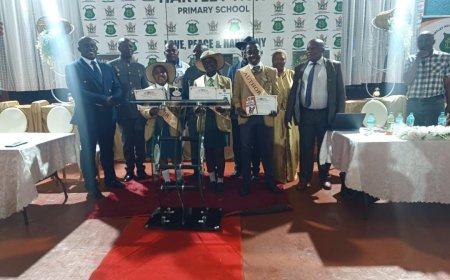
Last year, during the school’s Speech and Prize-Giving Day, the Indigenous Languages pressure group formally petitioned the Ministry of Primary and Secondary Education’s Shurugwi District boss, Smoli Makwati. Makwati was accompanied by the Assistant District Development Coordinator, Tavonga Mufarachisi, who was on a fact-finding mission regarding the language issue.
Although both officials expressed interest in rectifying the crisis, Makwati cited overstaffing at the school and overall district-wide staffing levels as major hurdles to deploying additional teachers.
The explanation left parents questioning how a school could be classified as overstaffed while still lacking teachers able to deliver instruction in the learners’ mother tongue.
Under Zimbabwe’s constitutional framework, Section 6 recognises 16 official languages and requires the State and all institutions of government to take practical measures to promote their development and use.
For parents in Dorset Resettlement area, the question is whether that recognition can translate into meaningful classroom instruction and equal educational opportunities for their children.
Mlalazi has previously warned that “IsiNdebele sesigugudekile” — isiNdebele has been eroded — expressing concern about the long-term consequences of failing to teach and promote the language among younger generations.
The parents’ campaign recently gained renewed significance following an announcement by Primary and Secondary Education Minister Torerayi Moyo that all schools, including private and independent institutions offering international curricula such as Cambridge, will be required to teach indigenous languages from Early Childhood Development (ECD) through Grade 7 from next year.
The policy, which forms part of the Government’s implementation of the Heritage-Based Curriculum (HBC), is intended to ensure that learners study and write a vernacular language appropriate to their geographical location.
“We held a meeting three weeks ago with officials from the Cambridge Examination Syndicate, where we agreed that starting next year it will be compulsory for all the schools in Zimbabwe to offer vernacular languages for all the students from ECE, Early Childhood Education A, Early Childhood Education B right up to Grade 7,” Moyo said.
“There will be no exemptions in terms of the writing of vernacular languages. It becomes mandatory for every child from ECE right up to Grade 7.” he said.
For Dorset Resettlement, where parents have spent years advocating for an isiNdebele-speaking relief teacher, the announcement brings a pressing question into focus: how will schools meet the new language requirements when they do not have enough teachers proficient in the languages their learners need to study?
Community advocate Hondomi has also encouraged parents and members of the diaspora to support language preservation through a local library, donations of isiNdebele reading materials, and the continued use of the language at home.
However, parents maintain that community-led initiatives should complement, rather than replace, the State’s responsibility to ensure schools can deliver the curriculum effectively.
The proposed engagement of a relief teacher is therefore being viewed as a practical step towards addressing the immediate classroom challenge, while the wider debate over staffing and mother-tongue education continues.
With the SDC and school administration expected to submit the parents’ resolution to the District Education Office for urgent consideration, attention now turns to whether the proposal will receive the necessary administrative approval and result in the deployment of a suitably qualified isiNdebele-speaking teacher.
For Dorset parents, the ultimate measure of progress will not be the resolution alone, but whether their children can learn in a language they understand.