Kariba’s Dead Will Not Be Silenced by Condolences, Death Toll Rises to 92
Rtd Dio Shepherd Mpeswe calls for accountability, transparency and compensation following the Lake Kariba ferry disaster, as 84 bodies are reportedly recovered.
 Dumisani Ndlovu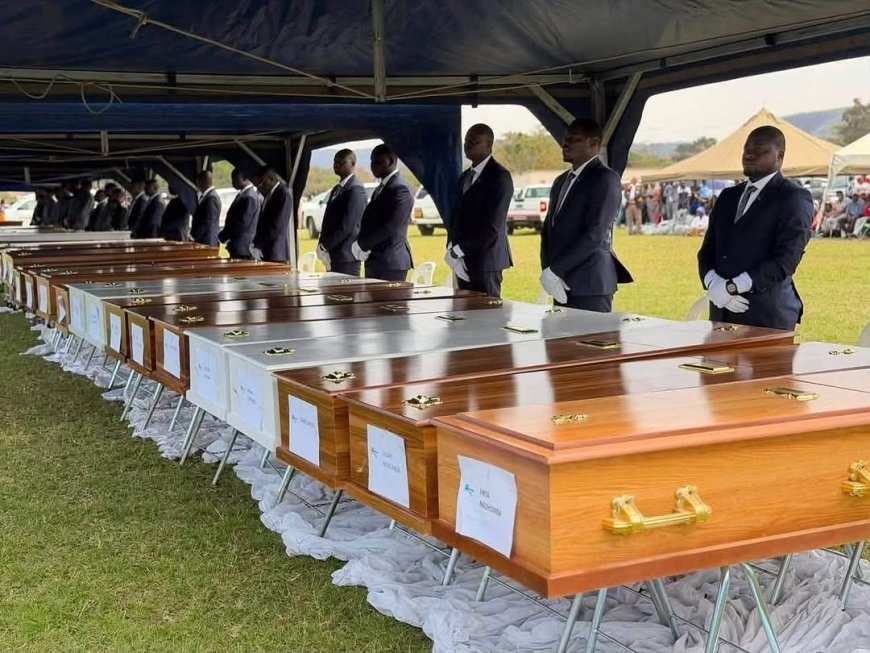
The Lake Kariba ferry disaster has raised fresh questions over State responsibility, public safety and compensation for victims as the death toll has risen 92, with scores of passengers still missing.
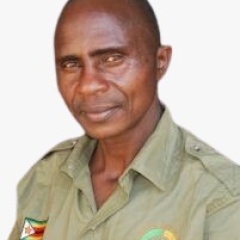
The concerns were raised by political commentator and former military officer, Retired (Rtd) District Intelligence Officer (DIO), Shepherd Mpeswe, who argues that the tragedy should not end with condolences, funeral assistance and official promises of investigations.
The death toll from the Lake Kariba ferry disaster reached 92 after the Zimbabwe Republic Police recovered eight additional bodies yesterday, Monday, August 17, during ongoing recovery operations.
Police Sub-Aqua unit divers and marine teams have been continuously scanning the deep waters since the overloaded government-run vessel capsized.
Rtd DIO Mpeswe' sentiments come after the government of Zimbabwe announced US$100 in cash assistance for each person affected by the Kariba ferry disaster to help families meet funeral and other immediate costs, while the Zambezi River Authority had contributed US$20,000 towards the response, including fuel for rescue teams, allocate to each affected person.
Mpeswe says the scale of the disaster demands a comprehensive examination of whether negligence, inadequate maintenance, unsafe operating conditions, regulatory failures or shortcomings in emergency preparedness contributed to the loss of life.
According to Mpeswe, funeral assistance, while necessary, cannot constitute compensation for families who have lost breadwinners, parents and other relatives.
He argues that where State negligence is established, compensation should be regarded as a matter of justice rather than an act of generosity.
He says the government must establish whether the vessel was seaworthy, whether passenger and safety regulations were followed, whether adequate life jackets and emergency equipment were available, and whether rescue arrangements were sufficient.
He also questioned whether warnings concerning weather conditions, waves, maintenance or other operational risks were received and properly acted upon.
Mpeswe argues that the tragedy should be viewed against a wider background of concerns over the delivery and maintenance of public services in Zimbabwe.
He points to challenges affecting public healthcare, roads, bridges, water and sanitation, electricity and education, arguing that citizens frequently bear the consequences when public institutions fail to deliver essential services.
The Kariba disaster, he says, therefore presents an opportunity for government to demonstrate whether it is prepared to accept responsibility when failures within public institutions result in loss of life.
For the families of those who died, Mpeswe says, the priority should be transparency, accountability and meaningful compensation.
Survivors who suffered injuries should receive appropriate medical treatment and rehabilitation, while those who lost their livelihoods or property in the disaster should have access to mechanisms for claiming compensation.
Mpeswe further argues that any investigation into the disaster must be transparent and its findings made public.
He says the victims should not become another statistic in Zimbabwe's history of preventable disasters.
The broader issue, according to Mpeswe, is whether government can collect revenue and enforce regulations while failing to provide citizens with adequate protection and essential public services.
He maintains that a government operating or controlling public services carries a corresponding responsibility to ensure reasonable standards of safety.
The Lake Kariba disaster has placed government accountability under renewed scrutiny.
For the bereaved families, they want answers about what happened to their loved ones and what will be done to support those left behind.
As Mpeswe puts it, condolences may acknowledge the tragedy, but justice requires truth, accountability and appropriate redress where responsibility is established.