Experts Gather in Melbourne to Address Five Years of Taliban Rule in Afghanistan
Global researchers, policy experts and Afghan diaspora leaders will convene in Melbourne for the 2026 Afghanistan Conference to analyse the human rights, security and diplomatic challenges under five years of Taliban rule.
 Harry Taruva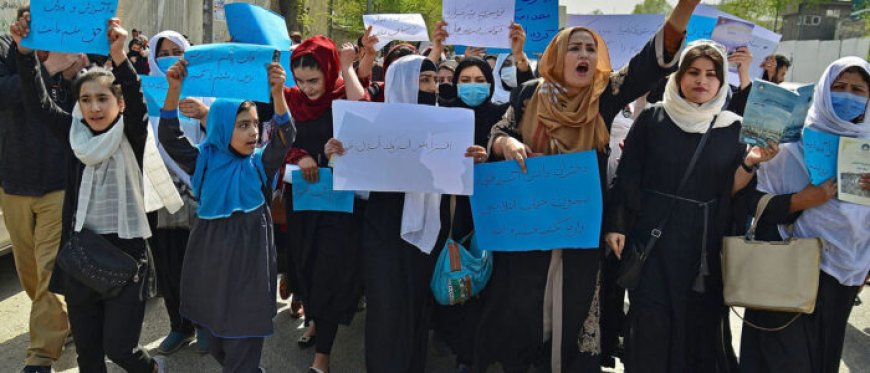
Melbourne, Australia — Leading researchers, international policymakers and Afghan diaspora representatives will assemble in Melbourne on August 21 for the 2026 Afghanistan Conference, marking five years since the Taliban seized power on August 15, 2021.
Co-hosted by the Australian Research Council (ARC) Centre of Excellence for the Elimination of Violence Against Women (CEVAW) at Monash University and the Peace Building Initiative at the University of Melbourne, the annual conference will address systemic human rights violations, regional security risks and diplomatic challenges under Taliban governance.
Organisers noted that 1,792 days after the Taliban imposed prohibitions on female education, Afghanistan remains the sole nation globally enforcing a blanket ban on secondary and higher education for women and girls.
The policy has excluded 2.2 million secondary school-aged girls from formal education, reversing two decades of progress during which female students comprised 40% of total school enrollments.
Organising committee member and CEVAW Research Fellow, Dr. Farkhondeh Akbari, emphasised that the Taliban’s ongoing rule now exceeds the duration of its initial 1996–2001 administration, resulting in a deeply entrenched regime of gender apartheid.
"As we mark five years since the Taliban’s return to power, their rule now exceeds the duration of their first regime, consolidating a deeper and more systemic crisis for women, girls and minority communities, and the future of Afghanistan," Dr. Akbari said.
"Our research shows escalating patterns of exclusion, repression and harm, with direct consequences for human insecurity, rise of extremism and long-term instability," she said.
Dr. Akbari added that Australia, having maintained two decades of military and civic involvement in Afghanistan, holds an ongoing responsibility to align its diplomatic, humanitarian and refugee engagement strategies with substantive human rights protections.