Ramaphosa Condemns Street Vigilantism on Illegal Foreigners, Promises Tighter Immigration Law Enforcement
In a televised address, South African President Cyril Ramaphosa acknowledged widespread public frustration over illegal immigration, jobs and pressure on services, while outlining new government actions including intensified deportations, border security enhancements and anti-corruption drives. He rejected xenophobia and vigilantism, stressing enforcement within constitutional bounds.
 Delicious Mathuthu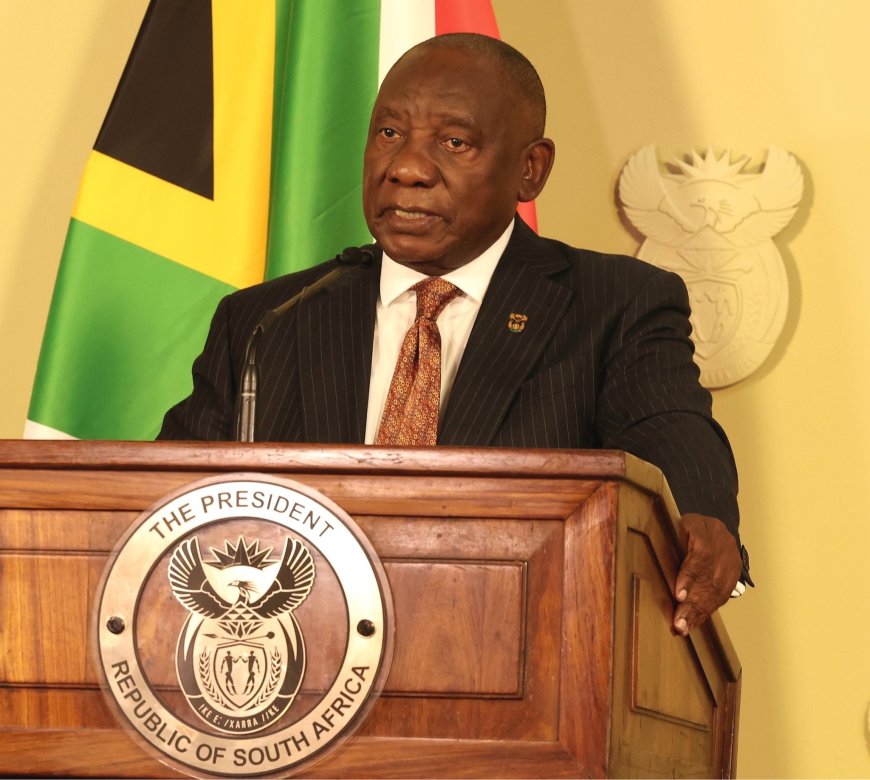
Johannesburg - President Cyril Ramaphosa has acknowledged deep public unease over illegal immigration in South Africa, promising tougher enforcement of immigration laws while warning against xenophobia and vigilantism.
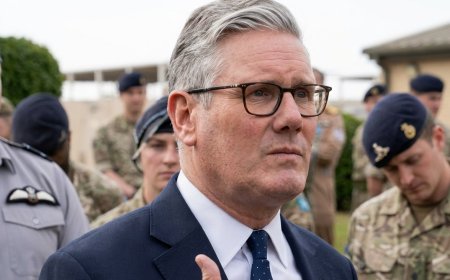
In a nationally televised address from the Union Buildings in Tshwane on Sunday, Ramaphosa sought to reassure citizens that the government is confronting the challenges posed by undocumented migrants, even as he framed migration as both a historical reality and a global phenomenon.
“These concerns are real. They deserve to be heard. They deserve to be addressed,” Ramaphosa said, citing worries about jobs, pressure on public services such as health care and education, safety and the rule of law.
South Africa has grappled for years with high unemployment, particularly among the youth and persistent poverty, conditions that have fuelled resentment towards African foreign nationals perceived as competitors for scarce opportunities.
The president conceded that frustration is easily directed at those seen as competitors for jobs and resources but insisted that illegal immigration is not the root cause of the country’s economic woes.
“The answer must be faster economic growth, greater investment, industrial expansion, infrastructure development and the creation of millions of new jobs,” he said.
Ramaphosa struck a delicate balance, reaffirming South Africa’s commitment to its constitutional values and international obligations to protect refugees fleeing war and persecution.
He said every person in South Africa should be legal, and that only the state has the authority to enforce immigration laws.
He firmly rejected any resort to violence or street-level vigilantism.
“No other person is allowed, for example, to confront someone in the street to demand proof of nationality,” the president said, adding that there is “no space for xenophobia, racism, sexism, Afrophobia or any other forms of intolerance in South Africa.”
The address comes amid recurring tensions and occasional outbreaks of anti-foreigner sentiment in parts of the country.
Ramaphosa warned that certain groups were exploiting legitimate concerns to incite lawlessness for political or criminal ends and he condemned the spread of misinformation on social media.
On the policy front, the president detailed a comprehensive approach for migration management recently adopted by Cabinet and endorsed by provincial and local leaders.
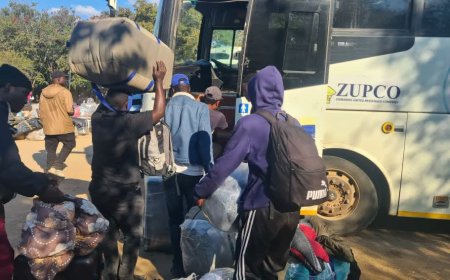
Key measures include a renewed crackdown on undocumented migrants involving intensified operations by the Border Management Authority, police and Home Affairs to identify and deport those residing in the country illegally.
He said dedicated immigration courts will be established to speed up the process.
In the past year, authorities claim to have intercepted over 450,000 people attempting illegal entry.
Increased inspections of workplaces suspected of employing undocumented foreigners, with higher penalties, including imprisonment, for employers who exploit vulnerable workers by paying below-minimum wages or subjecting them to poor conditions.
He said the Department of Employment and Labour is recruiting thousands of new labour inspectors.
Further securing of borders through technology, infrastructure and personnel, alongside the phased relocation of refugee reception centres closer to border posts to improve processing and reduce inland abuse is one proposed strategy.
He said there will also be a major push against corruption within the Department of Home Affairs, including the introduction of a biometric Intelligent Population Register and the eventual phasing out of the easily forged green ID books.
President Ramaphisa also proposed reforms to immigration and labour laws, including new quotas on foreign employment in certain sectors and support for South African-owned informal businesses, such as spaza shops
Ramaphosa also pledged continued diplomatic engagement with African neighbours through the Southern African Development Community (SADC) and the African Union to tackle the root causes of migration, such as conflict, poverty and lack of opportunity.